
Barbershop merchandise sounds like an easy win. Slap the logo on something, put it by the till, and watch it sell. It rarely works out that simply.
Putting a logo on a cap or T-shirt is the easy part. Customers judge the fit, fabric and quality first, and even loyal regulars won’t spend money just to be polite.
I’ve seen shop owners get excited about a design on a screen, only for the finished product to look thin and flimsy beside the till. The better approach is to start with something men would already buy, then keep the shop branding restrained.
Get it right and merchandise can bring in extra money while giving regulars something they actually want. Get it wrong and it becomes another box the owner wishes he’d never ordered.

In this article
Start With What Customers Would Buy

Here’s the mistake almost every shop makes: assuming regulars will buy anything with the logo slapped on it. They won’t.
A man can trust his barber, return every two or three weeks and still have no interest in the products being sold beside reception. The item needs to appeal to him before loyalty enters the decision.
Pay attention to what customers already have on when they walk through the door. Caps, beanies and heavier T-shirts are usually safer than novelty products because men already know how they’d work with the rest of their wardrobe.
I’d keep the branding smaller than most shop owners initially want. A good cap with a small embroidered mark is far more likely to get picked up than one with the full barbershop name stretched across the front.
Regulars may want a connection to the business. They still need to like what they’re buying.
Custom Hats Are the Safest First Product

Testing merchandise for the first time? Start with hats. Not several sizes of T-shirts and hoodies.
A customer can try one on while waiting, check it in the mirror and decide within a minute. There’s less stock to manage, and you aren’t left with six small shirts and no large ones.
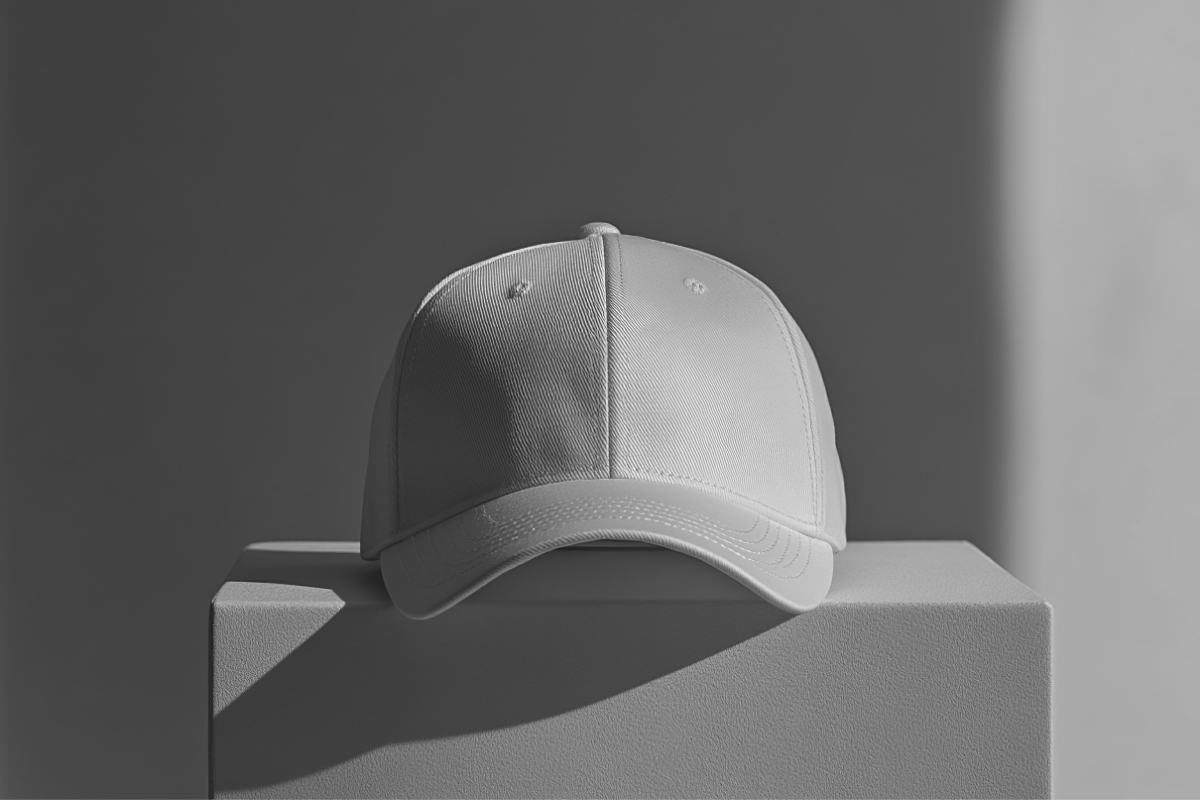
Don’t save money on the cap itself. A shallow crown, stiff front panel or cheap adjustment strap can ruin the whole thing before anyone even notices the logo. Ordering fewer hats that fit properly is better than filling a shelf with caps nobody picks up.
How the logo is added matters as well. Direct embroidery usually works best for a simple mark, while woven patches can hold finer detail and leather patches give the cap a heavier, more traditional look. The Monterey Company produces custom hats using these different methods, so the right one for the design can be a real choice rather than an afterthought.
Start with one hat style and a small run. You’ll learn more from ten customers trying it on than from an hour spent choosing designs behind a laptop.
T-Shirts Need More Than a Shop Logo
T-shirts are a harder sell than hats, full stop. Customers judge the fabric, fit and artwork long before they care whose name is on it.
A thin shirt with a large logo across the chest usually feels promotional. I’d use a heavier fabric, keep the front simple and save the larger graphic for the back.
The artwork needs a reason to exist beyond advertising the shop. A local reference, an old barbering illustration or a phrase regular customers recognise can give the shirt some identity without covering it in branding.
Fit is where many shops get caught out. A shirt can look good folded on the counter and feel completely wrong once it’s actually on. Narrow sleeves, a short body or a loose neck are enough to stop a customer reaching for it again.
Always get a sample first. Check the weight, wash it, put it on and look at the print at full size. A design that looks balanced on a laptop can feel oversized once it’s stretched across someone’s back.
Small Branded Items Can Be Easier to Sell
Not everyone wants a hat or a T-shirt. A patch, pin, keychain or beard comb? Much easier decision at the counter.
These items cost less, take up very little room and can be added to a haircut, beard trim or product purchase without feeling like a major spend. They also suit regulars who want something affordable without buying a hat or T-shirt.
I’d choose one item that feels solid rather than ordering a box of cheap giveaways. A decent metal keychain or beard comb may stay in use for years. A flimsy freebie usually ends up in trash before the customer gets home.
Small products are also useful when you want to test something new without committing to a full clothing run, more on how to use that properly further down.
Keep the range narrow at first. One good item will tell you more about demand than five different products competing for attention.
Limited Runs Give People a Reason to Buy

Nothing kills merchandise faster than customers knowing it’ll still be there next month.
A short run tied to the shop anniversary, a local event or a barber collaboration gives regulars a reason to look again. Even a new patch, colour or back print can wake up a display people have stopped noticing.
One strong release every few months is usually better than keeping the same average stock permanently. A dated T-shirt or numbered patch feels connected to a moment in the shop rather than produced simply because merchandise seemed like a good idea.
The link needs to be real, though. Printing “limited edition” on an ordinary cap adds nothing. Customers should immediately understand what the release marks and why it won’t return.
When it sells out, leave it there. Reprinting every popular run teaches customers there’s no reason to buy early.
Test Demand Before Ordering Stock
Want to waste money fast? Order stock because customers said they liked the idea.
Compliments cost nothing. Before placing a proper order, show the regulars the sample, tell them the price and ask whether they would put their name down for one. That answer is far more useful than hearing, “Yeah, that looks good.”
I’d keep the first run small, even if each item costs a little more. Selling all 20 tells you there’s demand. Ordering 100 because the unit price looked better can leave you discounting them for the next year.
Check the product properly as well, the same way covered above for shirts, whether you’re testing a cap, a T-shirt or something smaller. A print or patch that looked sharp on day one can tell a very different story after a week of actual use.
Don’t order a full range just to make the business look established. A successful first product gives you clear information about what people are prepared to pay for and what deserves another run.
Final Thoughts
Good merchandise builds a reputation. Bad stock quietly undoes everything the barber’s already built.
Loyalty might secure the first sale. What arrives in the customer’s hands decides whether the next release gets taken seriously.
I’d rather see a shop become known for one cap or T-shirt customers actually rate than for a crowded range nobody remembers.
The logo should make a good product feel connected to the shop. It should never be doing all the work.