The drop fade vs taper fade debate usually starts with photos and ends with regret. One looks sharp on a screen. The other actually works on your head. The difference is not trend or taste. It is how hair interacts with bone, curves, and shadows once the clippers are off.
If you want to stop gambling with your silhouette, you need to understand what your barber is really changing. Not the length. Not the style. The structure. Once you see the mechanics behind each cut, the right choice becomes obvious, and the wrong one stops being tempting.
Drop Fade vs Taper Fade: The Core Differences
When men argue about the drop fade vs taper fade, they argue style and miss the point. The real difference is physics. One cut respects your natural hairline. The other rewrites it.

The Taper
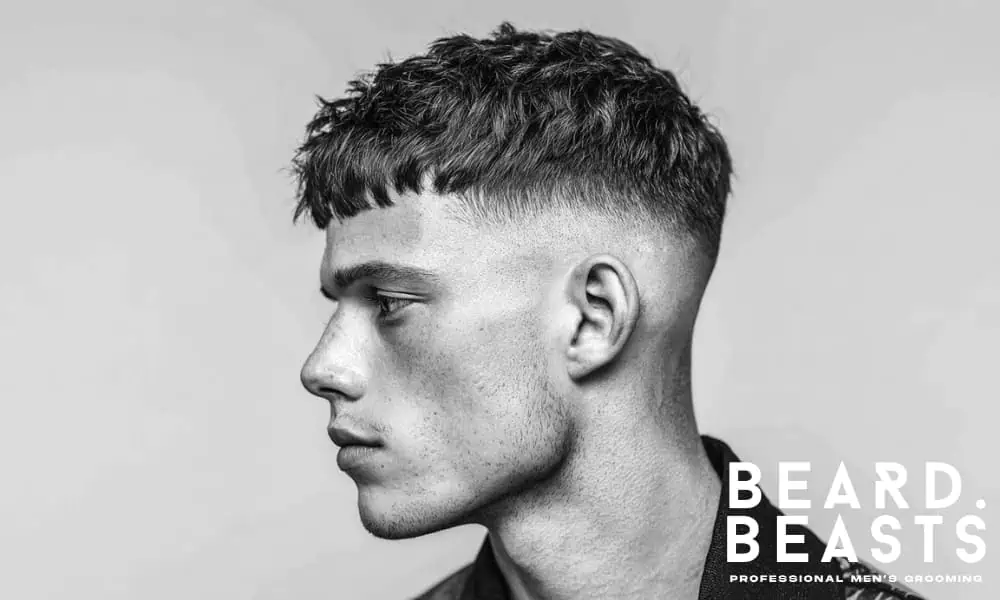
A taper is restraint. It preserves the natural hairline and only cleans what already exists. The work happens at the sideburns and the neckline, feathering down to skin without touching the bulk above.
The key detail is the C-cup. That soft arch around your ear stays intact. Nothing gets carved into it. The result is conservative, professional, and familiar. Think tidy edges, not a new silhouette.
The Drop Fade
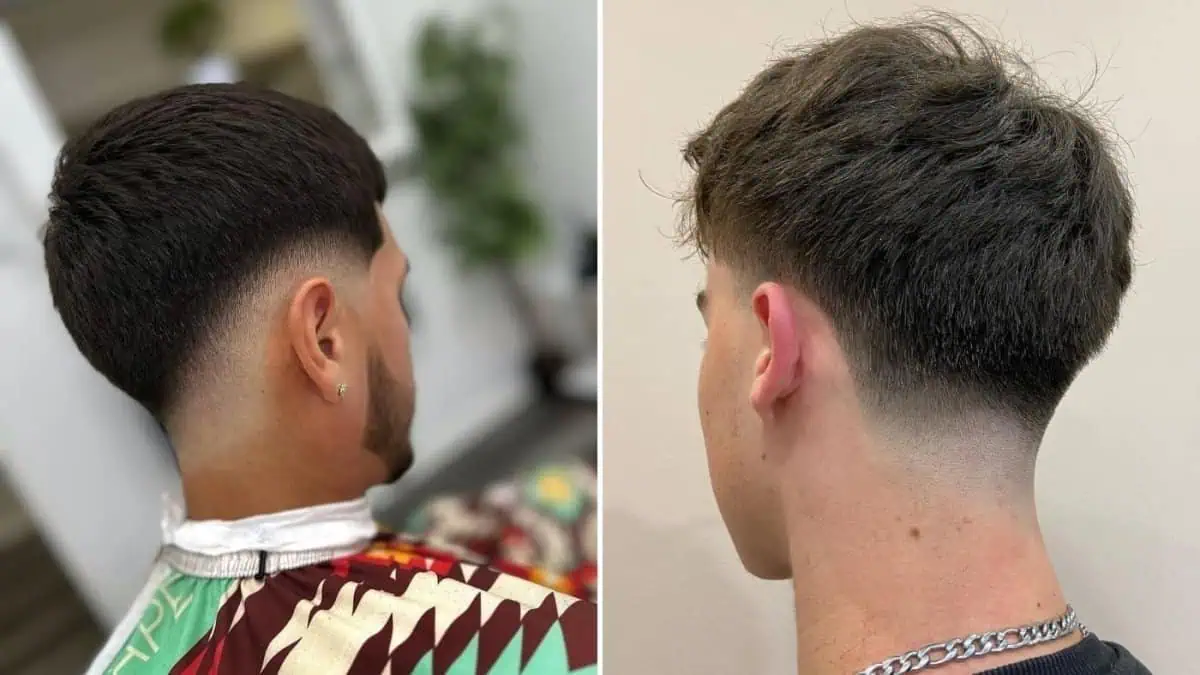
A drop fade is construction. It creates a new hairline by forcing the fade to drop behind the ear, tracking the curvature of your skull. To do that, the barber destroys the natural C-cup and replaces it with a sharp, artificial arc.
This is high-contrast work. The line is deliberate. The shape is aggressive. Done right, it sculpts the back of your head into a cleaner curve. Done wrong, it snags the eye for all the wrong reasons.
Bottom line.
A taper polishes what you have.
A drop fade redraws the map.
The Taper Fade: The Professional Standard
In the drop fade vs taper fade debate, the taper is built for restraint and longevity.

What It Does
A taper keeps weight on the sides and tightens only the edges. Sideburns fade down. The neckline fades down. Everything above stays intact, so your haircut still has heft.
That restraint matters. The grow-out is forgiving, which means you are not sprinting back to the barber every week just to keep things from looking fuzzy.
Who It Is For
If you work in a corporate setting, this is your lane. If you have a strong natural hairline, even better. And if your idea of maintenance is trimming your beard and charging your trimmer once a month, the taper fits your life.
It also suits men who want their haircut to support their look, not dominate it. You walk into a room looking sharp, not like you are chasing trends.
The Failure State
A bad taper goes too high. The moment a barber cuts into the temple corner, the whole structure collapses.
Lose that corner and your face goes soft. Rounder. Less edge. At that point, you are not sporting a professional cut. You are wearing a mistake that grows out slowly and reminds you of it every morning.
Next up, we flip the script and talk about the cut that rewrites your head shape entirely.
The Drop Fade: The Structural Fix
In the drop fade vs taper fade conversation, this is the cut that changes how your head is read from the side and back.

What It Does
A drop fade creates intentional geometry. By forcing the fade to dip low behind the ear, it follows the occipital bone, that natural bump at the back of your skull. You are not blending hair anymore. You are sculpting shape.
Done right, it builds the illusion of a cleaner, rounder head from the side and back. It removes bulk exactly where most heads get awkward. Flat spots. Lumps. Weird transitions. The drop hides the sins.
Who It Is For
This cut is for men whose head shape needs help. If the back of your skull is flat or uneven, a drop fade can mask it better than any product ever will.
It is also for men who want contrast. Sharp edges. High definition. But understand the trade-off. This is high-maintenance work. You either keep it sharp or it turns to fuzz fast.
The Failure State
Get the angle wrong and the cut falls apart. If the drop is too steep, you get the dreaded mushroom top. All weight up high. Nothing supporting it.
Push it too high and you expose raw skull in the worst place possible. No buffer. No forgiveness. At that point, the haircut stops working with your anatomy and starts fighting it.
Next, we get uncomfortable and talk head shapes. No vibes. Just hard truths.
Head Shape & Suitability (The Hard Truths)
This is where drop fade vs taper fade stops being about taste and starts being about anatomy and face shape. Most men get this wrong. They choose a cut from the front and ignore the skull underneath. Your barber sees it all. You should too.

For Round Faces
A taper can betray you here. Leave too much puff around the ears and your face gets wider. Softer. Less edge.
A drop fade works better because it removes bulk behind the ear, slimming the side profile. The curve pulls the eye down and back, not out. That matters.
For Long or Rectangular Faces
The taper wins. Every time. Keeping hair around the ears adds width, which balances a long head.
A drop fade on a long face is risky. Strip too much from the sides and the head stretches upward. Lightbulb territory. No coming back from that.
The Occipital Rule
Turn your head sideways in the mirror. If the back of your skull is flat, a taper will expose it. No mercy.
A drop fade can mask that flatness by building weight into the drop, creating the illusion of a natural curve. It is one of the few cuts that can actually correct structure instead of highlighting flaws.
Maintenance & Consequences
The biggest difference in the drop fade vs taper fade debate shows up two weeks after your haircut.
The Taper Schedule
A taper grows out on your terms. Because it respects the natural hairline, regrowth blends back into itself instead of fighting for attention.
You can stretch it to three or four weeks and still look deliberate. The edges soften, but the shape holds. It turns into a classic cut, not a mess. That is why barbers recommend tapers to men who want consistency without babysitting their hair.
The Drop Fade Schedule
A drop fade is all about contrast. And contrast is fragile.
Once that sharp arc behind the ear starts filling in, the illusion breaks. Usually within seven to ten days. The drop loses definition, the curve goes fuzzy, and the cut stops looking engineered.
This is not a cut you can ignore. Miss your appointment and the whole structure collapses.
The Reality Check
Here’s the part most guys never think about. A taper lets you age between cuts. A drop fade does not.
With a drop fade, you are either freshly cut or overdue. There is no middle ground. That is the price of aggressive geometry.
If you like low maintenance, choose accordingly. Haircuts punish wishful thinking.
What To Tell Your Barber
This conversation determines everything. Most bad haircuts start with vague language and blind trust. Fix that.
For a Taper
A taper fade is about preservation, not removal. Make that clear from the first sentence.
Say this:
“Keep the arch around the ear completely natural. Fade the sideburns to skin. Fade the neckline to skin. Do not cut into the temple. Keep weight on the parietal ridge.”
Why this works:
- “Natural arch” protects the C-cup.
- “Do not cut into the temple” saves your hairline corner.
- “Weight on the parietal ridge” stops the sides from collapsing.
If your barber starts lifting bulk above the ear, stop them. Once that corner is gone, you cannot put it back.
For a Drop Fade
This is not a vibe cut. It is a measured shape.
Say this:
“Drop the fade below the occipital bone. Keep it low behind the ear. Follow the curvature of my skull. I want a clean arc, not a straight line.”
Why this works:
- “Below the occipital bone” controls the drop depth.
- “Low behind the ear” prevents mushroom shape.
- “Arc, not a line” avoids that harsh shelf look.
Before they finish, ask to see the back and side profile. A drop fade can look fine head-on and fail completely from behind.
One Rule That Saves You
Never say “short on the sides.” That gives the barber permission to interpret.
Say what to preserve, not just what to remove. Precision language gets precision results.
FAQ: Quick Answers Before You Commit
Before you sit in the chair and nod along, get these straight. The drop fade vs taper fade confusion usually comes down to a few bad assumptions that keep getting recycled.
Is a drop fade the same as a taper?
No. Not even close. A taper preserves your natural hairline and only cleans the edges, while a drop fade creates a new shape by dropping the fade behind the ear and redrawing the arc. One refines. The other reconstructs.
Which lasts longer between haircuts?
The taper, by a mile. It grows out gradually and still looks intentional after a few weeks. A drop fade loses its sharpness fast, and once that arc blurs, the whole cut looks tired.
Which looks better with a beard?
Both can work, but they send different signals. A taper blends into a beard more naturally and keeps things cohesive. A drop fade creates a sharper disconnect, which looks aggressive but demands cleaner beard lines to avoid looking sloppy.
Can you combine a drop fade and a taper?
Technically, yes. Practically, it usually means the barber is hedging. You either preserve the natural arch or you destroy it to create a new one. Pick a lane and commit.
Bottom line. These questions matter because haircuts punish indecision. Understand the mechanics first, then choose the cut that works with your head, your routine, and your tolerance for upkeep.
The Beard Beasts Verdict
The drop fade vs taper fade decision is not a style preference. It is a structural choice.
Choose the taper if you want longevity, professionalism, and a cut that works with your natural shape. It sharpens the edges without stripping character. It grows out with dignity. Miss a week or two and you still look intentional.
Choose the drop fade if you need to change the read of your head shape. Flat back. Awkward curve. Uneven skull. A well-executed drop can hide flaws and add grit, but it demands discipline. Skip maintenance and the whole illusion collapses.
Here is the part most men ignore.
A haircut does not create bone structure. It either respects it or exposes it.
Make the right call, and everything else clicks into place. Make the wrong one, and no amount of styling juice, beard work, or confidence will cover it up.