
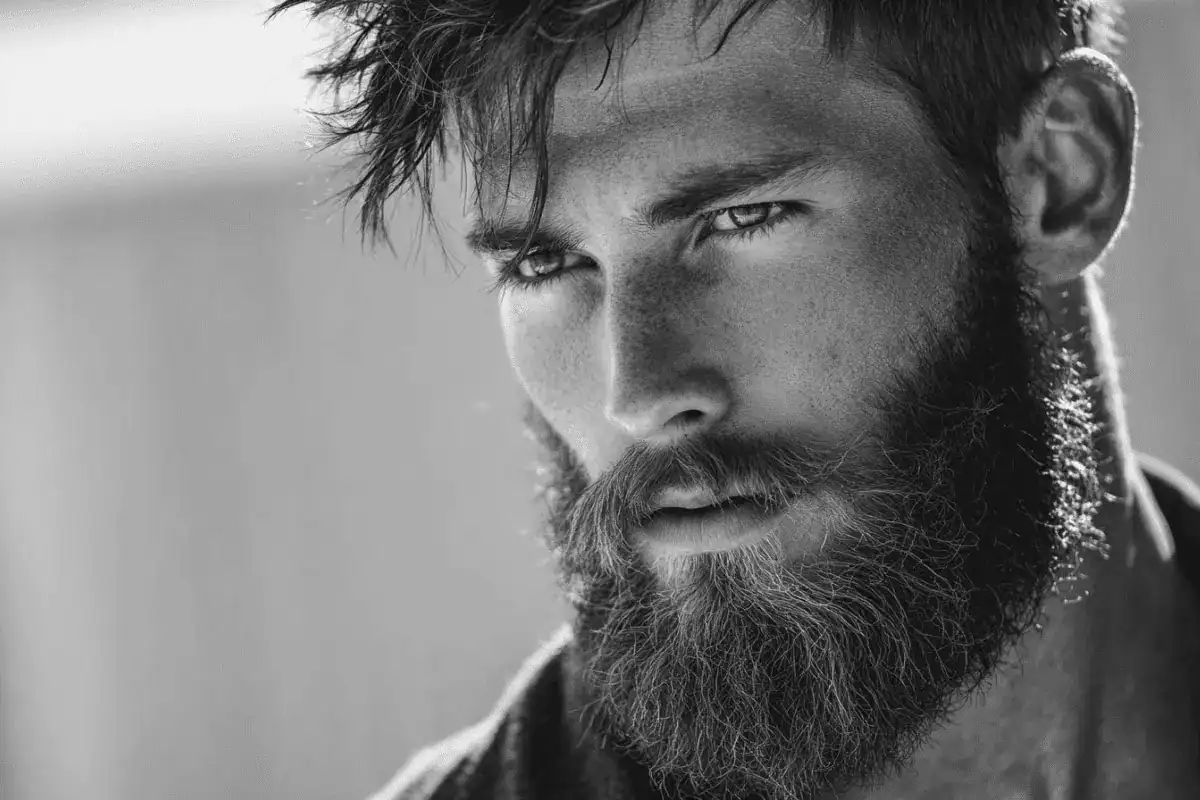
Beard styles for men in 2026 are not about trends. They are about control.
The days of growing whatever turns up and calling it rugged should be over by now. A beard either has shape or it has drifted. It either adds weight to the face in the right way or it just sits there making you look untidy. That is the line.
I do not think most men need a bigger beard. I think they need a better-shaped one.
That is where this whole subject goes wrong. Men pick the beard they like in theory, not the beard their growth can actually support. Then they blame density, patchiness, or bad luck when the real problem is shape.
The best beard styles for men still work because they fit the face, suit the growth pattern, and stay under control.

In this article
Beard Styles That Still Look Strong in 2026
Some beard styles look great in photos and fall apart in real life. These are the ones that still work when the shape is right, the growth is honest, and the upkeep is there.
Short Boxed Beard

I would start most men here before anywhere else. The short boxed beard is still one of the safest good choices a man can make.
It keeps enough weight to frame the face properly, but not so much that it starts looking heavy or lazy. Tight sides, a clean jawline, and enough density to feel substantial without turning into a full-beard project.
If a man wants something sharp in real life, not just in barber photos, this is usually the first beard style I would recommend.
Heavy Stubble Beard

I think heavy stubble is one of the safest beard choices a man can make. It sits right in that space where the beard still feels easy, but not accidental.
It adds shadow, grit, and shape without asking for full-beard density. That is why it works so well for men with weaker growth or patchier cheeks. A lot of longer beards expose those weak areas. Heavy stubble often hides them better.
Modern Full Beard

A modern full beard works when there is real density and enough discipline behind it. Thick through the chin, tidy on the cheeks, clean underneath. That is the difference between a full beard and a beard that has lost its shape.
I like this style when the growth is strong enough to carry it and the man is willing to keep it shaped. If the beard is full but left loose at the edges, it loses the thing that made it worth growing in the first place.
Beardstache

The beardstache still works because it has character. Big moustache. Shorter beard. Clear contrast.
I would only push this one if the moustache is genuinely strong. That is what makes the whole look work. If the moustache is weak, the beardstache usually just looks half-finished. When it suits, though, it has far more punch than most safer beard styles.
Verdi Beard

The Verdi beard is full, rounded, and built around a styled moustache that actually carries some weight. It has presence without drifting into chaos.
I would not call this a beard for men trying to fake fullness. It suits men who already have the raw material and want to shape it into something heavier and more noticeable. If the density is there, it looks excellent. If it is not, I would leave it alone.
Corporate Beard Fade

This is one of the cleaner modern styles. Tight around the sideburns and upper cheeks, fuller through the lower beard, blended properly instead of left blocky.
I like it because it looks sharp without looking overworked. It works especially well with cleaner haircuts. But it does need maintenance. Let the lines drift and the whole thing loses its point.
Tapered Full Beard

The tapered full beard is one of the smarter fuller options because it keeps the chin strong without letting the sides blow out. That matters more than most men realise.
Too many full beards get wider instead of better. I would take a tapered full beard over a puffed-out style every time. If a man wants fullness without looking bulky, this is usually a better route than just growing everything and hoping it settles.
Classic Goatee

The classic goatee still works when the cheeks are weak and the chin is stronger. It keeps the focus around the mouth and jaw instead of exposing side growth that was never convincing anyway.
It is not the most current beard on the list, but I would still rather see a clean, strong goatee than a full beard a man clearly cannot grow. That is the more honest move.
Extended Goatee Beard

The extended goatee gives you more presence than a standard goatee without needing full cheek density. That is why it still has value.
I think this is one of the better choices for men whose growth is stronger through the chin and jaw than across the sides. If the cheeks are weak, stop trying to make them part of the story.
Short Beard with Fade

This one works for the same reason the corporate beard fade works. Tight edges. Good blend. More structure than bulk.
I would put this high on the list for men who want a beard that still feels sharp and current without needing major density. Paired with a strong haircut, it usually looks cleaner than a heavier beard trying to do too much.
Thick Natural Beard

A thick natural beard can look excellent, but only when the growth is genuinely strong and even. This is not a beard style for men trying to force ruggedness out of weak patches and stray length.
If the density is there, it has real weight and presence. If it is not, this style usually just exposes every inconsistency. I would not pretend otherwise.
Medium Length Beard with Taper

This is a very solid middle-ground option. Enough length to feel like a proper beard, not so much that it starts dragging the face down.
I like it because the taper keeps it from turning into a block. If a man wants length without losing shape, this is often one of the better beards to go for.
Rounded Full Beard

The rounded full beard softens some of the harder edges of a very squared beard and usually makes the whole thing feel more balanced. It keeps fullness without trying to make every line look too sharp.
I think this works especially well on men who want a fuller beard without a very aggressive finish. It still needs strong growth, though. No shaping trick fixes weak density.
Garibaldi Beard

The Garibaldi beard is wide, full, and softer at the bottom. It has more natural flow than sharper full beard styles, which is why it can look very strong when the beard itself is heavy enough.
I would only go here if the growth is genuinely thick. Otherwise it starts looking like an overgrown full beard that never found its shape.
Viking Beard

The Viking beard is pure commitment. Length, bulk, and a certain amount of controlled wildness.
I think too many men like the idea of this beard more than the reality of it. When it is good, it is very good. When it is bad, it just looks like a beard that got away from you. I would not recommend it unless the density, face, and patience are all there.
Lumberjack Beard

The lumberjack beard sits somewhere between a natural full beard and a longer rugged style. Thick, masculine, and a little rough, but still shaped enough to avoid looking neglected.
It only works when the growth is strong and the upkeep is still there underneath. I think that is the part men keep missing. A rugged beard still needs structure.
Biker Beard

The biker beard is less polished and more about raw weight. Long, heavier through the chin, and not especially interested in neatness.
That gives it character, but it also means it can slide into mess very quickly. I would only go this route if the beard is genuinely full and the man actually suits that rougher finish.
Salt and Pepper Beard

This is less a style than a visual advantage, but it deserves to be here. A salt and pepper beard often looks better than men think because the colour variation adds depth and texture.
I would lean into it rather than fight it. A well-kept salt and pepper beard usually has more character than a badly dyed one ever will.
Van Dyke Beard

The Van Dyke is sharper and more stylised than most of the other options here. Separate moustache. Pointed chin beard. Clean cheeks.
It is not as easy to pull off as a short boxed beard or heavy stubble, but on the right face it has a lot of character. I would only go here if the chin and moustache are much stronger than the cheeks.
Ducktail Beard

The ducktail is still one of the best beard shapes because it gives length without letting the beard balloon out. Fuller through the sides, narrower at the chin, more controlled overall.
That shape does a lot of work. It keeps the beard looking purposeful instead of just large. If a man wants a beard that has direction, I think this is one of the strongest options.
Balbo Beard

The Balbo gives sharp separation and a bit more edge than the safer beard styles. No sideburn connection, clear lines around the mouth and chin, and a finish that looks more shaped than natural.
It suits men who want something bolder, but it does need upkeep. Let the lines soften and the whole thing starts losing what made it interesting.
Anchor Beard

The anchor beard is all about shape. It traces the jaw and chin with a more pointed finish and uses the moustache to complete the look.
It’s certainly not universal. But if the lower-face growth is strong and the man suits something sharper, it can look very good.
How to Choose a Beard Style Without Getting It Wrong
This is where most men need more honesty.
The right beard is not the one you like most in theory. It is the one your face shape, density, and growth pattern can actually support. If the cheeks are patchy, stop forcing fuller styles that only expose it. If the chin is strong, use that. If the moustache is weak, do not build a whole look around it.
I would avoid longer beard styles completely if the cheeks are weak and the sides never really fill in. That length does not hide the problem. It stretches it.
Face shape matters too, but not more than growth. Longer beards can slim rounder faces. Squared-off styles can sharpen softer jaws. Rounded beards can soften a harsher face. All true. But none of that matters if the beard itself is weak in the wrong areas.
Then there is maintenance. Some styles need proper edging and regular trimming to stay worth having. Others are more forgiving. The mistake is choosing a beard that only looks good when it has barber-fresh lines if you already know you will not keep it that way.
How to Keep a Beard Looking Sharp
A beard style only really works if you keep it under control.
That does not mean obsessing over it. It means not letting it drift. Neckline too low, cheeks too fuzzy, moustache too overgrown, ends too dry. Those are the little things that turn a good beard into one that just looks tired.
I think a lot of men wait far too long before touching anything up. Then they try to fix a month of drift in one session and wonder why the beard never quite looks right.
Wash it properly a couple of times a week. Use beard oil if the hair is getting coarse or snagging. Trim with a plan, not just when the mirror finally annoys you enough. A few minutes here and there usually do more than one big rescue job at the end of the month.
Beard Styles for Men: A Few Straight Answers
If you are still trying to work out what actually suits you, these are the questions that matter most.
Which type of beard looks most attractive?
There is no universal winner. The best-looking beards are the ones that fit the face and grow well where they need to. For most men, I think short boxed beards, heavy stubble, and tapered full beards are the safest strong options.
Which beard will suit my face?
Rounder faces usually benefit from length or more angular shaping. Square faces can carry fuller or softer beard shapes more easily. But face shape is only half of it. Growth pattern matters just as much, and sometimes more.
Do beards make you look older or younger?
Controlled beards usually make a man look more settled and more put together. Longer or messy growth can age you quickly if it is not shaped properly. Heavy stubble often hits the best middle ground.
What is the best length for a beard?
For most men, short to medium length is the sweet spot. Long enough to add shape and real presence, not so long that it becomes a maintenance problem or starts exposing weak growth.
The Beard Beasts Verdict
Beard styles for men in 2026 are not about growing the biggest beard you can manage. They are about shape, weight, and getting the finish right.
A well-shaped short beard will always beat a bigger beard that has been left to drift. A style that works with your face and growth will always beat one you picked because it looked good on somebody else.
So my take is simple.
Pick the beard your growth can actually support. Keep the lines sharp. Keep the weight under control. Stop asking weak areas to do a full beard’s job. That is how a beard starts looking like part of your presence instead of just hair on your face.