
“Should you shave before or after a shower?” sounds like a small detail, but the order can affect how easy the shave feels and how your skin handles it.
There is not one answer that works for every type of shave. Water helps soften facial hair, which is useful with a manual razor, but dry shaving works differently.
I would base the choice on the razor you are using. Some shaving methods work better when the hair has been softened first, while others are better on dry skin and stubble.

In this article
For Most Razor Shaves, I’d Shave After the Shower
If you’re using a cartridge razor, safety razor, or straight razor, I’d usually shave after the shower. Warm water softens the facial hair, which can make it easier for the blade to cut through.

That can be especially helpful if your beard growth is coarse or dense. Dry, stiff stubble can create more resistance, which may lead to tugging or make you more likely to use extra pressure and go over the same area again.
Showering first also gives you a chance to wash the skin before shaving, removing sweat and excess oil before the razor touches your face.
Once you get out, I’d shave fairly soon while the facial hair is still well hydrated. Apply your shaving cream or soap, then shave as normal.
This advice is for a manual wet shave. If you use a dry electric shaver, I’d usually do the opposite and shave before the shower.

If you want to move away from cartridge razors, The Plow 2.0 is a safety razor I’d consider for a manual wet shave.
As an Amazon Associate, Beard Beasts may earn from qualifying purchases.
The Shower Is Really Doing the Beard Prep for You
The useful part of showering before a manual shave is the water, not the idea that warm water somehow “opens your pores.” Pores do not open and close like that.
What matters is giving the facial hair time to absorb water.

As beard hair absorbs water, it becomes softer and slightly swollen. That makes it easier for the razor to cut through than dry, stiff stubble, which is why properly wetting the beard can make shaving easier.
A quick splash at the sink only wets the beard for a moment, while a shower gives the facial hair more time to absorb water and soften. By the time you get out, your beard is already better prepared for shaving soap or cream.
Shaving cream or soap still matters because it helps the razor glide across your skin. But it should not have to do all the prep by itself. If the facial hair is already well hydrated before you apply it, the razor should have an easier time cutting through the stubble.
I’d Shave Before the Shower With a Dry Electric Shaver
A dry electric shaver is the main exception to my shower-first rule.

If your shaver is designed for dry use, shave before the shower while your skin and stubble are dry. Moisture can make the shaver drag and may make it harder for the cutting head to pick up hairs evenly.
That does not apply to every electric shaver. Many wet and dry models can also be used with water, shaving gel, or foam, so whether you shave before or after the shower depends on whether you are using it wet or dry.
If you wash your face before a dry electric shave, let your skin and stubble dry completely before you start. Otherwise, it makes more sense to shave first and shower afterward.

If you prefer electric shaving, the Philips Norelco i9000 gives you the option of shaving dry or using it as part of a wet shaving routine.
As an Amazon Associate, Beard Beasts may earn from qualifying purchases.
A Long, Hot Shower Can Make the Shave Worse
Showering before a manual shave can help, but hotter and longer isn’t better. Very hot water can leave your skin feeling dry, tight, or irritated before the razor even touches it.
That’s the wrong moment to start a shave. You’re about to run a blade across the skin, so if your face is already red or uncomfortable after the shower, I’d give it a chance to settle rather than immediately shaving over irritated skin.
You also don’t need to steam your face for ages to soften the beard. Getting the facial hair thoroughly wet matters more than turning the temperature up as high as you can. A comfortably warm shower will do the job without exposing your face to unnecessary heat.
If you do come out of a hot shower with your skin feeling uncomfortable, give it a few minutes to calm down first.
Your beard might start drying while you wait, so wet the shaving area again before applying your shaving cream or soap. The goal is to soften the beard without making the skin feel worse in the process. If very hot showers regularly leave your face dry or irritated, lowering the temperature before you shave is the first thing I’d change.
If You Don’t Want to Shower First, You Can Still Prep Properly
You don’t have to shower before every manual shave. You can prepare the beard at the sink, but I’d do more than splash some water on your face and immediately reach for the razor.

Start by washing the area you’re going to shave with comfortably warm water. Keep the facial hair wet while you do it, then wet it again before applying your shaving cream or soap. The important part is giving the stubble proper contact with water rather than trying to make the water as hot as possible.
If your beard is particularly coarse and a quick wash doesn’t feel like enough, a warm, damp washcloth is another simple option. Hold it against the shaving area before you lather so the hair gets more time with the water without needing a full shower.
Then work your shaving cream or soap all the way through the growth instead of spreading it across the surface. You want lubrication around the hairs and across the skin where the razor is going to pass.
A shower is convenient because most of this preparation happens while you’re already washing. At the sink, you need to be a little more intentional about wetting the beard before you shave. Done right, skipping the shower still leaves you with properly softened stubble instead of dry, stiff hair.
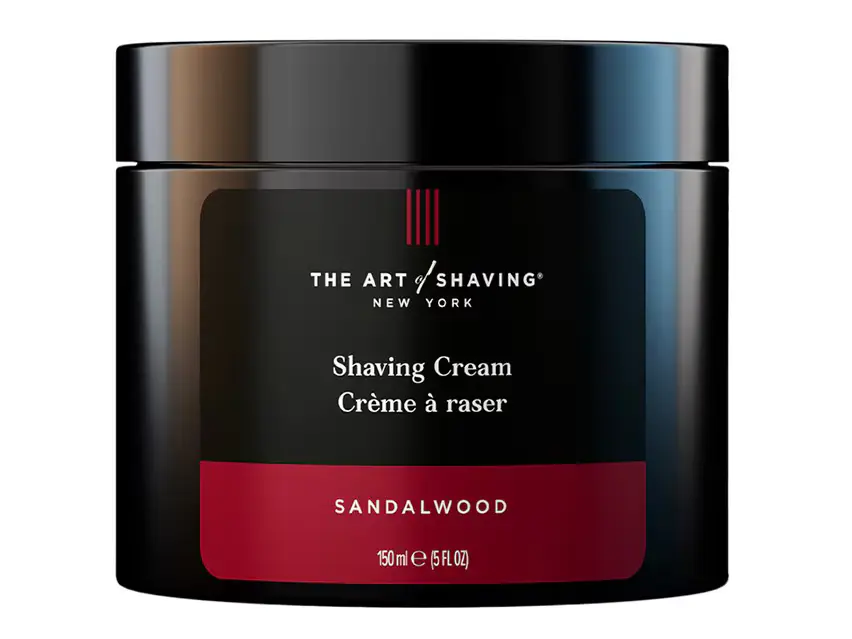
Properly wetting the beard handles the prep, but you still need lubrication for the razor. The Art of Shaving Shaving Cream is the option I’d look at for that part of a manual wet shave.
As an Amazon Associate, Beard Beasts may earn from qualifying purchases.
So, Should You Shave Before or After a Shower?
For a cartridge razor, safety razor, or straight razor, I’d shave after the shower most of the time. The facial hair has already had time to absorb water and soften, so you’re starting the shave with better-prepared stubble.
A dry electric shave is the main reason I’d reverse that order. If you’re using an electric shaver dry, shave before the shower while your skin and facial hair are still dry rather than using it on a damp face.
Wet and dry electric shavers give you more choice. If you use yours as a dry shaver, I’d still shave before showering. If you use it with water, shaving gel, or foam, then showering first can fit naturally into that routine, provided the shaver is designed for wet use.
None of this means you need to arrange your day around a shower to shave. If you’re using a manual razor and don’t want to shower first, properly wetting and preparing the facial hair at the sink can still give you the prep you need.
So, should you shave before or after a shower? For a manual wet shave, my choice is after. For a dry electric shave, obviously before.
The type of shave you’re doing matters more than following one rule for every razor.