

A good men’s hair care routine shouldn’t need ten products or feel like a chore. It should keep the scalp comfortable, make the hair easier to control, and stop the same problems showing up on repeat.
I’ve seen men blame their shampoo when the real cause was poor rinsing. Or rough towel drying. Or too much heat. Or a styling product that never suited their hair in the first place. Buying more rarely fixes a routine built on the wrong diagnosis.
This guide covers what’s actually worth doing, what isn’t, and how to adjust as your hair grows, thins, or just starts behaving differently.

In this article
Most Men Misread Their Own Hair

Thick. Thin. Dry. Greasy. Most men describe their hair with one of these four words, and none of them actually explain anything.
A man can have fine strands, just plenty of them, so the hair looks thick overall. It isn’t coarse hair. It just looks like it. Fine strands collapse fast under rich conditioners, pomades, and heavy waxes. Coarse strands can feel rough between the fingers without being damaged or dry at all.
When I assess a man’s hair, I look at the scalp and the ends separately, not as one thing. Oily roots with dry ends? Extremely common once the top grows longer. And grease isn’t always oil. I’ve known men to switch to stronger shampoos when styling product, heavy conditioner, or poor rinsing was the actual cause all along.
Straight hair shows oil sooner, it moves down the strand faster. Waves and curls hold it back, so the ends can feel dry even on a perfectly healthy scalp. Same haircut, same length, completely different products needed.
Length changes everything, fast. What suited a short crop can weigh the hair down the second it grows out. Swimming roughs it up. Training adds sweat and buildup. Careless blow drying dries the ends out bit by bit.
Flatness might be fine strands. It might just be too much product. Flakes could be dandruff, irritation, dry skin, or leftover residue. Roughness might mean damage, though healthy coarse hair will never feel like fine hair, full stop.
I won’t recommend another bottle until I actually know what’s wrong. Misread the hair, and even a great product makes things worse.
Clean Hair Is Not the Same as Stripped Hair

Squeaky hair after a wash feels like proof it’s clean. It’s actually a warning sign.
Scalp feels tight? Ends gone rough? Too much has come off. Maybe the shampoo’s too harsh. Maybe the water’s too hot. Maybe you’re scrubbing the full length every single time. A proper wash should leave the hair clean, not harder to manage.
How often you need to shampoo depends entirely on your week. Daily training, an oily scalp, a physical job, heavy styling product most days? Wash most days. Longer, coarse, or curly hair? It usually prefers less aggressive cleansing. Forget fixed rules about twice a week. I watch sweat, oil, odor, and buildup instead.
Most of the actual work happens at the scalp. That’s where oil, sweat, and product all collect. The ends get plenty of cleansing just from the lather running through, so scrubbing longer hair root to tip is mostly pointless, and it leaves it rough for nothing.
Rinsing is where most men fail. Shampoo left around the roots causes itching. Conditioner or styling residue left behind makes freshly washed hair look flat or greasy anyway. Before you touch a new product, check the one you’re already using is actually being rinsed out.
Heavy pomades, waxes, dry shampoo, chlorine, they all leave more behind than a regular wash can shift. That’s when a clarifying shampoo actually helps. I’d use it when the hair actually feels coated, not on autopilot every few days. Overuse it and you’ll create the exact dryness you were trying to fix.
The goal’s simple: remove the sweat, oil, and residue, without leaving the scalp uncomfortable or the ends rough. That’s clean enough. Nothing more.
Dryness, Grease, and Flakes Are Often Misdiagnosed

Men treat the first thing they notice, every time. Greasy roots? Stronger shampoo. Rough hair? Load it with conditioner. Flakes? Cover them in scalp oil. I’ve watched all three make things worse, not better.
Hair looks greasy because the scalp’s producing oil, sure, but product’s usually in on it too. Heavy conditioner, pomade, poor rinsing, days of buildup, all of it flattens and coats the roots. Washing harder won’t touch it. Using less product and actually rinsing does.
Flakes are trickier than men think. Dandruff, dry skin, irritation, product residue, they all look similar, especially once you’ve already thrown several shampoos and treatments at the problem. I won’t keep switching products every few days. Do that and you’ll never know what the scalp’s actually reacting to.
Rough hair isn’t automatically unhealthy, either. Coarse and curly strands just feel different from fine, straight ones, always have. What I actually watch for is change. More snapping, more tangling, split ends, sudden frizz, that tells me far more than how silky it feels between your fingers.
Persistent itching. Redness. Soreness. Thick scaling. Unusual hair loss. That’s where I stop guessing and send you to a doctor, not another bottle off the grooming aisle.
Grease, residue, natural texture, damage, scalp irritation, they all get mistaken for each other constantly. Treat them the same way and you’ll probably make it worse.
The Damage Usually Happens After the Shower
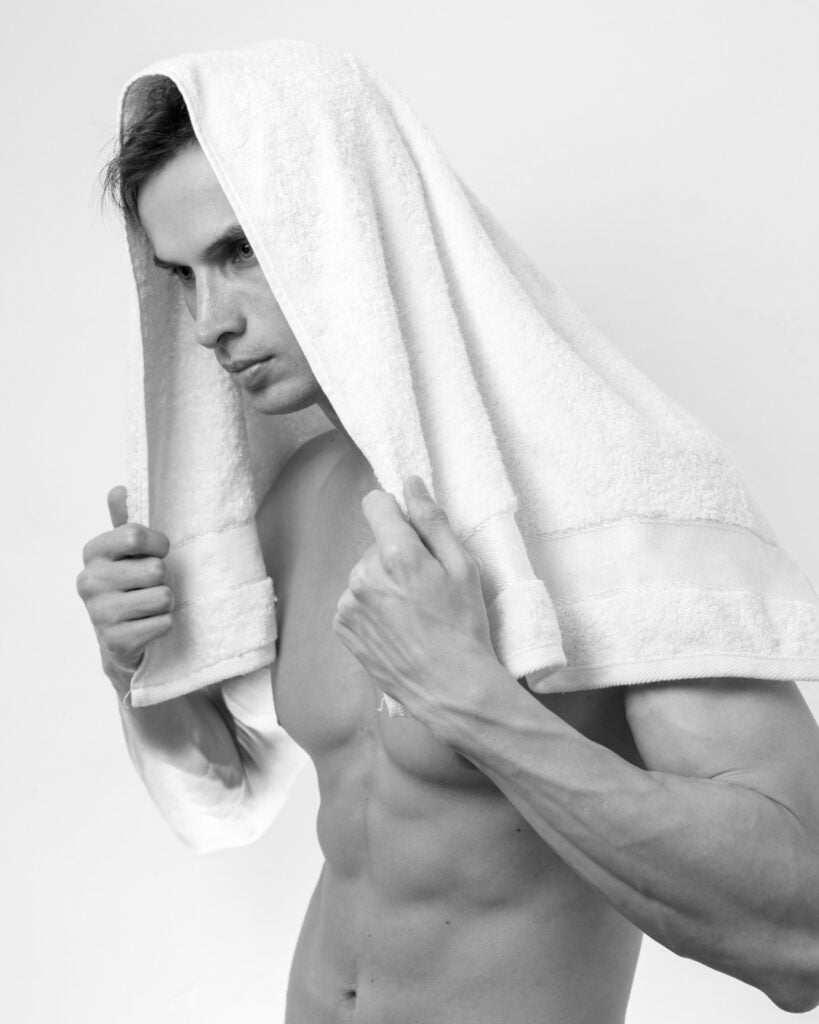
The shampoo rarely deserves the blame here. Most damage starts the second men pick up a towel.
Hair rubbed hard. Pulled through with a comb. Dried on maximum heat. None of it wrecks anything in one morning. Repeat it daily for months and the ends turn rough, frizz creeps in, and styling gets harder every week.
Wet hair stretches easily, so treat it gently. Press or squeeze the water out, don’t rub it back and forth like you’re drying a dog. Longer hair? Loosen knots from the ends upward. Comb keeps snagging? Pulling harder just breaks more strands. It never wins.
Conditioner helps, but only if it matches your hair type. Short and fine hair needs barely any. Longer, coarse, curly, bleached, or heat-styled hair usually wants it through the mid-lengths and ends. Load a rich formula onto an oily scalp instead and the roots go flat before you’ve even picked up the dryer.
I’m not on board with telling every man to bin his blow dryer. I use mine, it gives better control and usually means less styling product afterward. The actual problem is maximum heat parked too close to one spot. Keep it moving, keep some distance, use a heat protectant if high heat’s a regular thing.
Sleeping on soaking wet hair doesn’t help either. It gets crushed and tangled into the pillow all night, then dries exactly in whatever shape it got flattened into. Rougher ends, a harder shape to fix the next morning, that’s the trade.
Most damage isn’t one bad day. It’s small habits, repeated for months. Change how the hair gets dried, combed, and styled before you spend another cent on repair products. That’s usually where things actually turn around.
Your Styling Product Might Be the Problem

The haircut usually isn’t the problem. What goes into it the next morning is.
Fine hair flattened under heavy wax. Dry curls smothered in hair clay because the jar promised texture. I see it constantly. That doesn’t make either product bad, it just makes it wrong for that hair type. Fine strands want less weight. Coarse or curly hair wants control, not more roughness piled on top.
Amount matters as much as the formula does. Big scoop, straight onto the front, another scoop when the shape starts sliding. By then the roots are greasy and everything feels sticky. Once it’s coated like that, your only real option is to wash it out and start over.
I go small, from the back forward, and save the front for last, once most of the product’s already worked through everywhere else. Keeps the one area everyone actually looks at from getting overloaded. Add more later if you need the hold, most men need far less than they think.
Product should hold a shape, not build one from scratch. A blow dryer lifts and directs the hair before any wax, clay, or pomade even shows up. Stronger result, less product, every time. Try forcing damp, flat hair into place with a fistful of wax instead, and you’ll just make it heavier.
Then there’s yesterday’s product, sitting around the roots after a rushed wash. A fresh layer goes straight on top of that residue, and suddenly the new jar takes the blame for feeling heavy when it never had a chance.
What actually matters is how the hair looks hours later. Still holding shape, not stiff, not greasy, not coated. If keeping the style alive means adding more product all day long, change the product. Don’t blame the haircut.
The Routine Should Change Before the Hair Starts Looking Bad

A product can work perfectly for months, then suddenly stop. That’s not the bottle’s fault. Your hair got longer, drier, thinner, or picked up more buildup since you first chose it.
Most men panic and replace everything at once the second hair stops cooperating. New shampoo, new conditioner, new styling product, new washing schedule, all in one week. Even if it works, good luck figuring out which change actually did it.
Change one thing at a time instead. Rough ends on longer hair? Add conditioner through the lengths. Training harder lately? One extra wash a week might fix it. Clay suddenly dragging through your hair? Use less of it, or switch to something less drying.
Some fixes need no product at all. Rinse straight after swimming and chlorine never gets the chance to sit in your hair. Turn the dryer down if it’s already taken a beating from sun, bleach, or heat.
Thinning hair needs a different approach entirely. Heavy waxes, oily pomades, rich conditioners, they all pull strands together and expose more scalp than you’d like. Cut the weight. Adapt the style. Stop chasing the density you had five years ago, it’s not coming back through product alone.
Watch for the early signs instead: roots losing volume, ends starting to catch, a product that suddenly takes twice as long to rinse out. These show up long before the whole style looks tired.
Fix the one thing that’s actually broken. Leave everything else alone long enough to see if it worked. Change it all at once and you’ll never know what fixed it, or what made it worse.
The Beard Beasts Verdict
The best men’s hair care routine solves the problem without creating a new one. Simple as that.
A shampoo that strips the grease but leaves the scalp tight? Not doing its job. A conditioner that softens the ends but flattens the roots? Wrong place for it. A styling product that only works after three big scoops? Wrong product, full stop.
That’s how I judge a routine, not by the number of bottles, the price tag, or what the label promises. Scalp comfortable? Hair easier to style? Still looking decent by evening? That’s the whole test.
My verdict’s simple. Better judgment, gentler handling, and products that actually match the hair in front of you. Get that right and the routine gets shorter, cheaper, and a lot easier to live with.