
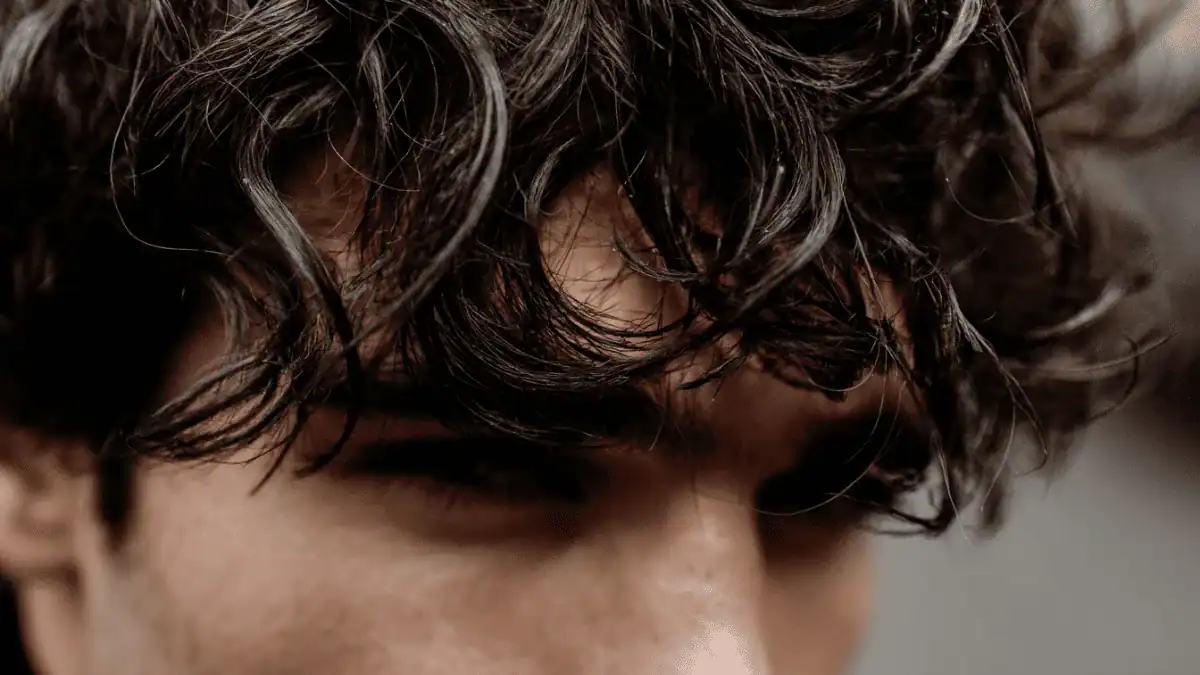
A wavy textured crop can look great, but only when the width is handled properly. If you’ve got wavy hair, you already have texture, you don’t need the top hacked into for more of it. What you actually need is a cut that keeps the sides under control and leaves enough weight in the right places.
Get that wrong and the textured crop starts looking wide rather than shaped. Get it right and it’s one of the better short haircuts going for natural wave.

In this article
Wavy Textured Crop Styles
The best version for you depends on where your hair actually causes problems. If your sides push out, you need to go tighter there. If your fringe jumps up, you need more length left at the front. If your back grows round, judge the cut from more than one angle, not just face-on in the mirror.
Low Fade Wavy Textured Crop

The safest place to start, and the one most men should try first. A low fade tightens the lower sides without cutting too high into the wave, so the top still feels connected to the rest of the haircut rather than floating above it. Around 2 to 3 inches on top usually gives you enough room for the wave to fall forward, and the fade should stay low enough that the top doesn’t look parked above the sides.
This works well if your hair gets wide above the ears, since that area needs reducing without being flattened completely. You still want the bend to show, or it just becomes a basic crop with faded sides rather than an actual wavy one.
Mid Fade or Skin Fade Wavy Textured Crop

Both of these push more contrast into the sides than a low fade, just by different amounts. A mid fade takes more from the temple and ear area, which holds its tighter look for longer, useful if you’ve got medium to thick waves where the sides start filling out within two weeks of a low fade. If there’s too much bulk left on the upper side, the top ends up looking like a cap. Too high, and the whole thing can start looking stacked instead of blended.
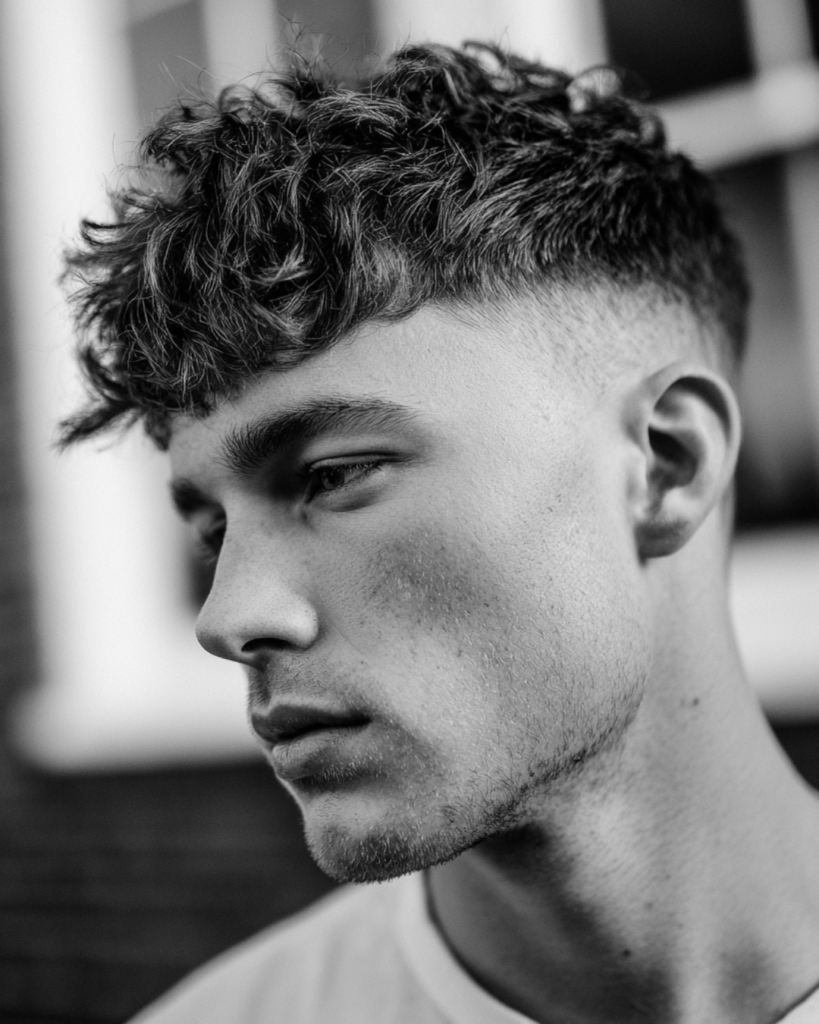
A skin fade goes further still, and it only really works if your top is dense enough to handle that much contrast, since fine hair next to bare skin can end up looking weaker by comparison rather than stronger. It also shows regrowth the quickest, within ten to fourteen days, so the close finish doesn’t last long without proper upkeep.
Go with mid over skin unless you’re already committed to a strict two-week trim schedule.
Drop Fade Wavy Textured Crop

Some wavy crops fail from the back before they fail from the front, and that’s exactly where a drop fade helps. It dips behind the ear instead of running straight around the head, which matters if your rear corners and lower crown are the areas that get thick. This suits you if your hair looks decent face-on and then starts rounding out from the side.
Checked from the side, this version should look tighter behind the ear and fuller through the front, keeping the back from ballooning while letting the wave stay visible where people actually notice it.
Tapered Wavy Textured Crop

Not every wavy crop needs a fade at all. A taper works better if you want less skin showing at the sides, a softer grow-out, and a haircut that doesn’t look freshly cut every single day. Looser waves suit this best, with the top kept around 2.5 to 3 inches to give the taper enough to work with. The grow-out is easier to live with day to day than any fade option here.
Messy Wavy Textured Crop

Messy only works when the haircut underneath is actually doing its job. If you’ve got wavy hair, leaving everything loose isn’t a style, it’s how the sides swell, the crown goes round, and the fringe starts doing whatever it wants. This version suits hair that already separates on its own, medium to thick waves carry it well, especially with a bit more length through the front to work with.
The finish should look loose through the top but still controlled around the sides. Loose and controlled together is the actual difference between a messy wavy crop and hair that just needs cutting. Fine wavy hair is harder to pull this off with, too much product makes it limp, too much cutting through the top makes it look thin.
Fringe Length Changes the Whole Front
Short and long fringe versions of this cut do noticeably different jobs. A short fringe, falling above the brow, works if your wave falls forward easily and doesn’t shrink too aggressively. It keeps more of the forehead open and gives the haircut a shorter, squarer look from the front, though the front still needs some real weight behind it, too thin and it splits, too blunt and it looks disconnected from the rest of the cut.
A longer fringe shows more movement and suits hair with decent density and a natural forward fall, since the extra length lets the wave actually bend rather than lying flat against the head. The sides need to be tighter with this version specifically, since long fringe paired with full sides can make the whole haircut look broad on thick hair. Too thin, and it splits into weak pieces. Too heavy, and it hangs over the forehead instead of moving forward.
Your Wave Type Decides the Sides, Not Just the Top
This is where a wavy textured crop either works with your hair or starts fighting it, and it comes down to where your specific wave pushes width rather than falling flat.
Thicker waves build width fast, usually above the ears, around the temples, and through the back corners, since that hair doesn’t always fall down the way straight hair does. It pushes out sideways instead, which makes the crop look wider even when the top length itself is right. Shortening the top alone won’t fix that. Your sides need to be taken tighter specifically in whatever area your hair pushes out, and that’s not something you can judge from a photo of someone else’s haircut.
It depends on how fast your own sides fill in and how much lift your hair naturally has.
Loose waves usually need more length left on top rather than tighter sides, cut too short or thinned too much and the wave disappears entirely. A taper or low fade tends to keep the cut more connected on this hair type than a harder fade would.
Fine wavy hair can work too, but thinning needs care specifically, take too much out and the fringe starts looking weak instead of textured. Dry or frizzy waves need better condition rather than more product. If your hair already feels rough, the finished cut usually looks rough too, no matter how good the cut itself was.
Judge all of this on how your wave actually behaves day to day, not on a single photo. That’s where the real haircut shows up, and where the sides either hold their shape or start turning round on you.
Keep the Wave, Lose the Puff
Styling a wavy textured crop shouldn’t feel like wrestling the hair into place.
Use less product than feels necessary. A small amount of matte paste, clay or light cream is usually enough, depending on how thick or dry your hair actually is. Heavy wax makes thick waves clump together and makes fine waves fall flat instead of holding shape.
Work the product in with your hands rather than raking through the hair. Press it in, scrunch it slightly, then guide the front forward. The goal is helping the wave hold its own shape, not pulling it straight.
If you’re using a dryer, keep the heat low to medium and direct it forward rather than blasting randomly, which just adds volume in the wrong places, especially around the temples and crown.
Conditioner matters more than most men think here. Rough, under-conditioned waves expand faster and need more product just to behave. Keep your hair in better condition and the whole crop gets considerably easier to manage.
For trims, stay around every 2 to 3 weeks with a fade and every 3 to 4 weeks with a taper. Once the sides start swelling again, the crop loses the exact look you came in for.
The Beard Beasts Verdict
A wavy textured crop works when the cut respects how your hair actually behaves rather than fighting it.
That’s the part a lot of men miss. Wavy hair already has texture built in, so the goal was never to rough it up for the sake of it. It’s keeping the sides under control, leaving enough length at the front, and removing weight specifically where the hair actually expands.
This cut works best when it still looks like wavy hair, not a crop that’s been forced flat against its own texture. The wave should lead the style, but the sides, fringe and crown still need real discipline behind them.
Loose waves need enough length to show. Thick waves need the sides kept in check. A fringe that jumps up needs more room than it looks like it needs on day one.
At its best, a wavy textured crop looks effortless from the outside while the cut underneath has done all the actual work.