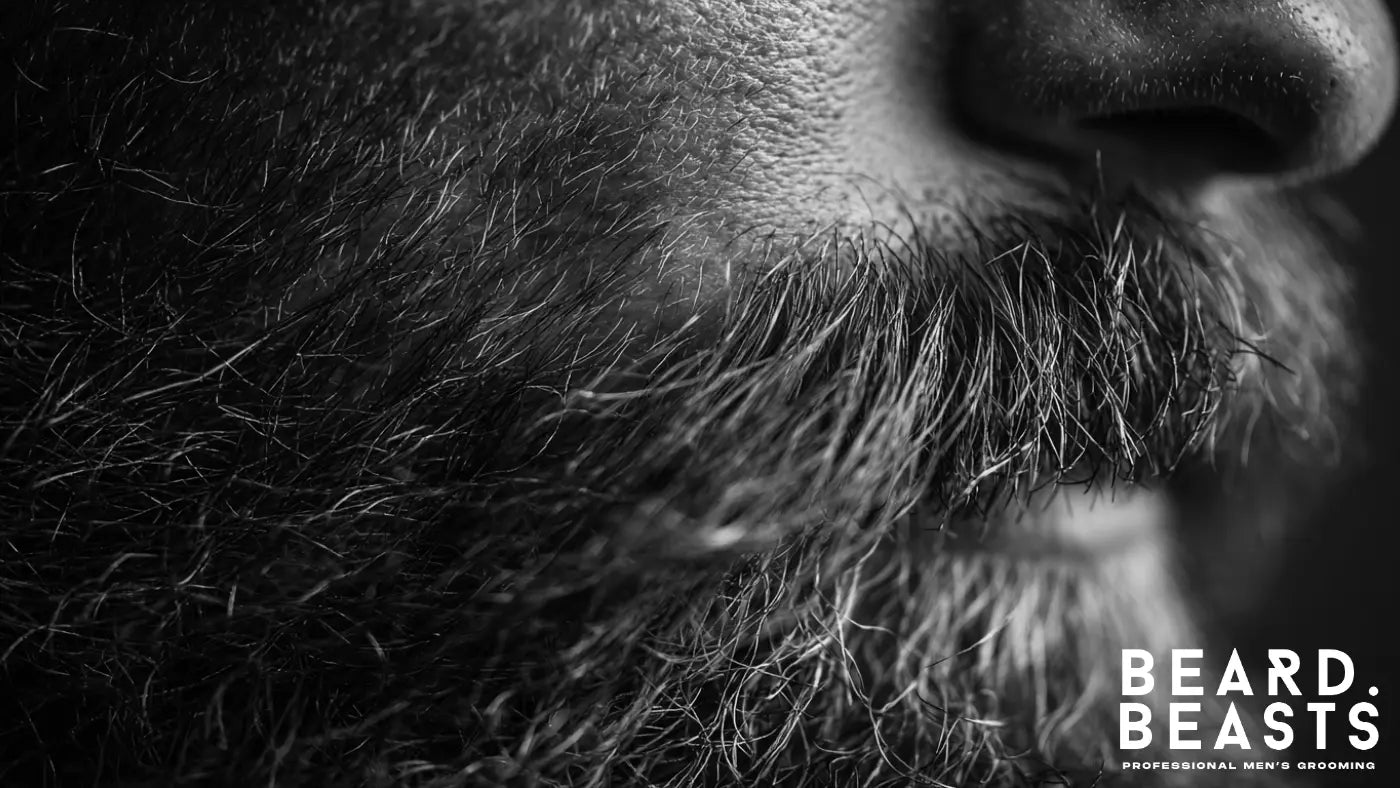
A 20mm beard sits in a strong middle ground. It has enough length to add structure, heft, and character, but not so much that it becomes hard work. For me, this is where a beard starts to look intentional.
The downside is that 20mm shows neglect fast. Bad lines, dry growth, and uneven areas stand out quickly. Get it right, though, and this length looks sharp, masculine, and well kept.
What Is a 20mm Beard?
A 20mm beard gives you enough length to see real texture, separation, and fullness. The hairs start to bend and sit together rather than sticking straight out, which makes the beard look more settled from a distance. This is a proper short beard, not a barely-grown shadow.
In practical terms, 20mm is long enough to groom properly but still short enough to manage with a trimmer. You can sharpen the neckline, tidy the cheeks, and keep the beard looking neat without the extra upkeep that comes with more length. That balance is exactly why this length works so well for so many men.
Best 20mm Beard Styles
Not every beard style works well at 20mm. Some look sharp at this length. Others just look stuck in between. The key is choosing a style that suits your growth pattern and face shape.
Classic Full Beard

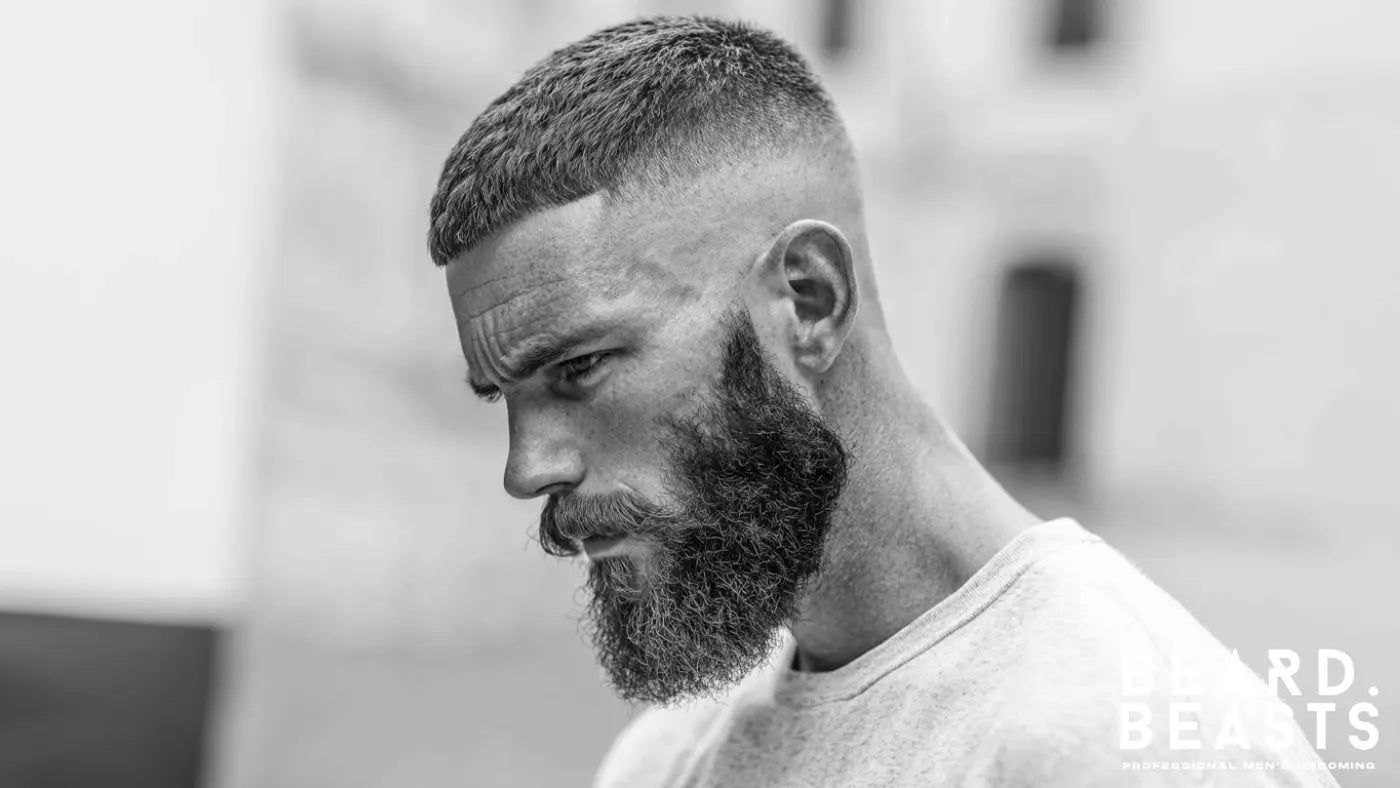
This is the most reliable option for most men at 20mm. It keeps the beard connected through the cheeks, jaw, and chin, which gives the face more weight without making it look buried. At this length, a full beard looks settled and masculine without drifting into overgrown territory.
I like this style because it does not rely on tricks. If your growth is reasonably even, a classic full beard at 20mm usually looks the strongest. Keep the cheek line tidy, keep the neckline disciplined, and let the length do the work.
A Short Boxed Beard

The short box beard is a sharper, more controlled version of a full beard. It relies on cleaner edges and a more deliberate outline through the cheeks and jaw, which makes it a smart choice if you want your beard to look neater and more structured.
At 20mm, this style works especially well on rounder or softer faces because it adds definition without needing extra length. The key is not overdoing the lines. If the beard looks too carved in, it starts to feel forced.
Beardstache
The beardstache puts more visual weight on the moustache while keeping the beard neat and controlled. At 20mm, this can look strong if the moustache has proper density and the rest of the beard stays tidy.
It is not the easiest style to pull off, but when it works, it has far more character than a standard beard shape. The problem is that a weak moustache gets exposed quickly, so this only works if your upper lip growth can carry some authority.
The best 20mm beard style is usually the one that fits your growth, not the one that fights it. This length gives you enough fullness to create definition, but not enough to hide poor choices. Keep it simple, use the growth you have, and the beard will look much stronger for it.
Who Suits a 20mm Beard?
A 20mm beard suits men who want noticeable length without stepping into full-beard upkeep. It works best when you have decent growth through the chin and jaw, even if the cheeks are not perfect. At this length, the beard has enough heft to add substance, but not enough to hide major weak spots.
I think 20mm works especially well on men who want a beard with real weight but still want it to look sharp. It can strengthen softer features, add more presence to a narrower face, and give the jaw a better frame when the lines are kept tidy.
It is also a solid option for patchier beards, as long as the weak areas are not too aggressive. A bit of uneven growth can blend in once the beard reaches this length, especially if the outline is kept clean. If the beard is very sparse, though, 20mm can sometimes make the gaps more obvious instead of less.
How Long Does It Take To Grow a 20mm Beard?
For most men, facial hair grows at roughly 1 to 1.25 cm per month, so a 20mm beard usually takes around four to six weeks to reach. Some get there faster. Some take longer. That comes down to growth rate, thickness, and how often you trim too soon.
The awkward stage usually hits before the beard settles. It can look uneven, feel rough, and tempt you into tidying it up early. That is where most men go wrong. Leave it alone long enough to build some fullness first, then shape it once the beard has enough length to work with.
How To Trim and Shape a 20mm Beard
A 20mm beard needs control more than constant trimming. The aim is to keep the length even, clean up the edges, and stop the beard from looking bulky in the wrong places. Do too much and the whole thing loses form fast.
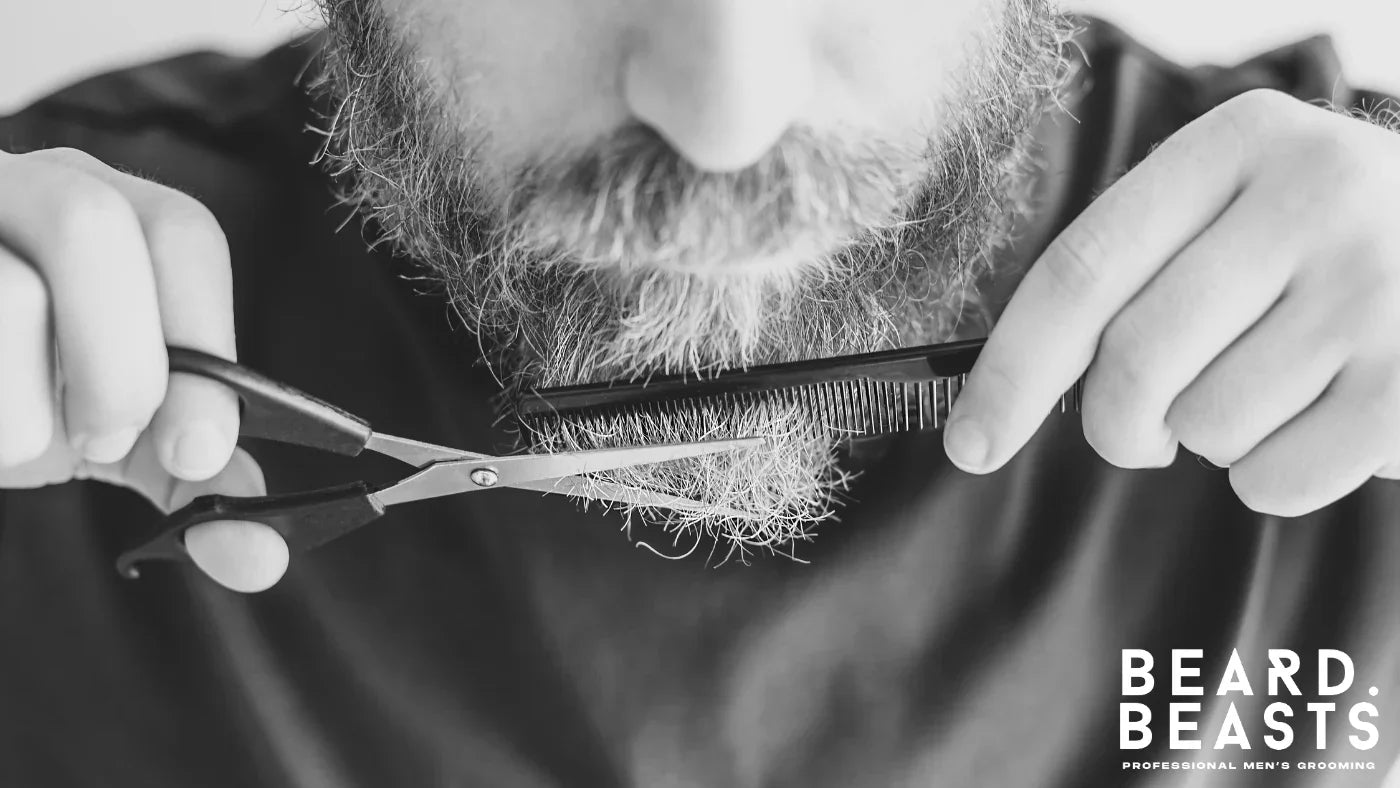
Start with a clean, dry beard and comb it through properly. Then use a trimmer with a true 20mm guard and make slow, even passes across the full beard. I always think it makes more sense to set the length first and shape the lines after. That way, you are working with the beard as it actually sits.
Once the main length is even, tidy the cheek line and clean up the neckline without taking it too high. Trim the moustache so it stays neat around the lip, but do not cut away too much weight. If one side looks slightly heavier, resist the urge to keep correcting until both sides end up too short.
The biggest mistake at this length is over-trimming. A 20mm beard needs enough fullness to hold together, so do not chip away at it every time a few hairs sit out of place. Get the outline right, keep the length consistent, and let the beard carry some natural heft. That is what makes it look strong.
How To Maintain a 20mm Beard
A 20mm beard will not stay sharp by itself. This is the length where dryness, puffiness, and scruffy edges start showing up fast if you leave it alone. If you want it to stay looking right, you need a routine that keeps the beard clean, soft, and under control without smothering it.
Wash it a few times a week with a proper beard wash, not whatever face cleanser is sitting by the sink. Use beard conditioner to soften the hair and stop it turning dry and brittle. Once the beard is dry, work a few drops of beard oil into the skin underneath, then spread the rest through the beard. That keeps the skin comfortable and the beard from feeling rough.
A comb helps keep the beard sitting neatly and shows you where extra bulk is starting to build. Balm is useful if your beard tends to puff out or sit unevenly, but you do not need to load it up with product. I always think a 20mm beard looks best when it feels healthy and controlled, not heavy and overworked.
Common 20mm Beard Problems and How To Fix Them
A 20mm beard makes small problems easier to spot. Dryness, patchy areas, puffiness, and uneven growth all stand out more once the beard has some length. The upside is that most of these issues can be improved with better grooming and a more measured approach.
Dryness and itch usually come from the skin underneath, which is why beard oil and a proper beard wash matter. Patchiness often looks worse when men keep trimming too soon instead of letting the beard build some fullness. Puffiness and uneven growth are usually easier to manage with a comb, light balm, and a steadier trimming routine than by cutting more off.
The Beard Beasts Verdict
A 20mm beard is one of the most useful lengths a man can grow. It has enough fullness to look strong, but not so much that it becomes hard work. Keep the lines tidy, stay on top of dryness, and do not trim away too much of what gives it its strength.
That is the real appeal for me. A 20mm beard gives you presence without the upkeep of a bigger beard. When it is trimmed properly and looked after, it does exactly what a good beard should do. It makes you look sharper without trying too hard.