
There are more beard grooming tools on sale than most men will ever need. Trimmers, brushes, combs, scissors, heated tools, shaping guides and huge kits all get presented as if they belong in every bathroom.
I don’t see it that way. A tool is only useful if it has a real job with the beard you actually have, and buying more equipment doesn’t automatically make grooming easier.
Some tools are worth spending more on because they get used constantly. Others only start making sense once your beard or the way you maintain it gives them a specific job.

In this article
Your Beard Length Should Decide What You Buy
The biggest mistake with beard grooming tools is buying a full kit before working out what your beard actually needs. A short beard and a long beard create different grooming problems, so there’s no reason they should require the same setup.

If you keep your beard very short, most of the work is simply maintaining an even length and dealing with the areas around it. As the beard grows, individual hairs become harder to manage, the overall direction matters more, and small differences in length become easier to notice.
That’s when additional tools start becoming useful. A longer beard can require more than simply running the same guard over everything, especially when individual hairs, tangles or the direction of the beard start affecting the result.
I’d buy for the beard you have now. If a trimmer already handles almost everything you need, building a larger kit early gives you very little.
The Beard Grooming Tools I’d Buy First
You don’t need a big kit to cover the basics, so these are the tools I’d spend money on first.
Beard Trimmer
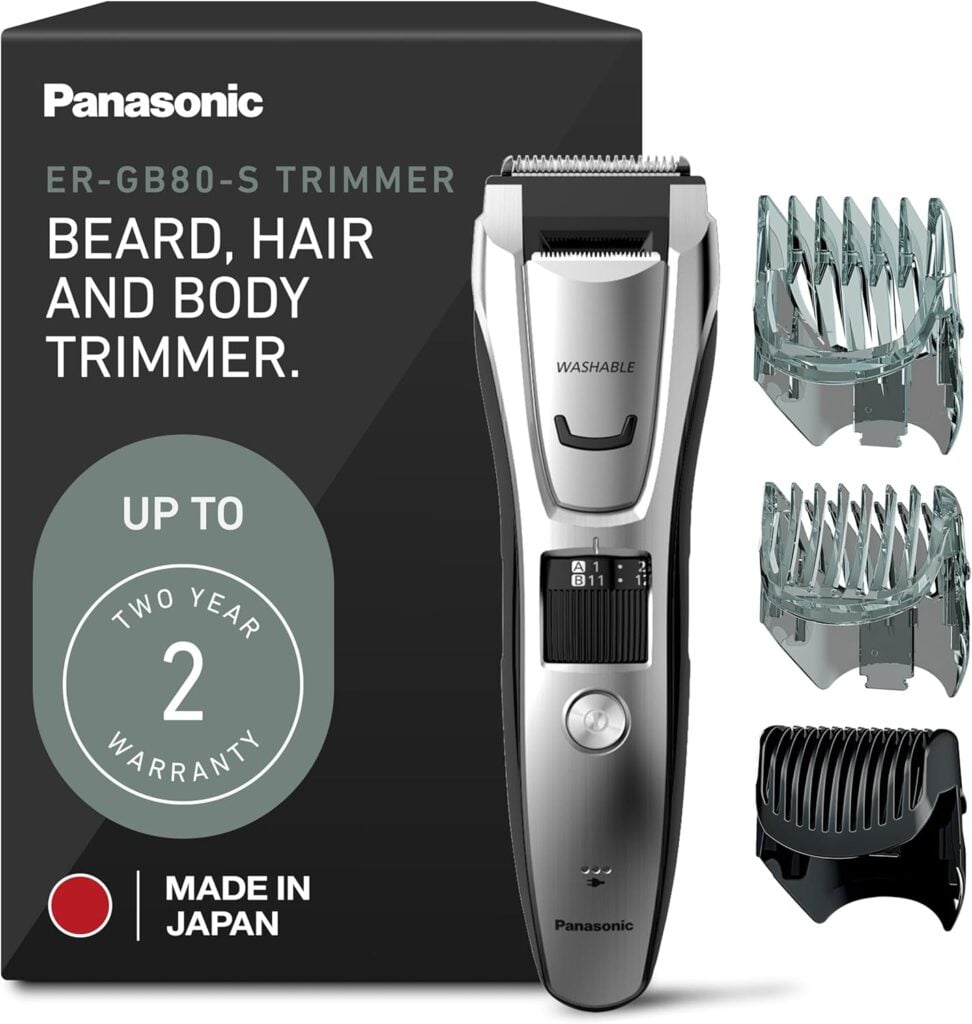
If I could only buy one beard grooming tool, I’d start with a good beard trimmer. It handles the job most men need to do regularly: keeping the beard at a consistent length without relying on scissors for the whole thing.
The first thing I’d check is the guard range. There’s little value in paying for a trimmer with a long list of attachments if none of them cover the beard length you actually keep. I care more about useful length options and consistent cutting than the number of accessories in the box.
Cordless use is convenient, but I’d pay more attention to reliable power, battery performance and whether replacement blades or guards are easy to get. Those things matter more if you plan to keep the trimmer for years.
For most short and medium beards, the trimmer will do more work than anything else in the kit. This is the tool I’d choose more carefully before spending money on smaller accessories.
Beard Comb or Beard Brush
I wouldn’t automatically buy both. They overlap, but they do different jobs well enough that your beard length and how you groom it should decide which one makes more sense.
A beard comb becomes more useful as the beard gets longer. It can help separate hairs, work through tangles, check how the beard is lying before you trim and guide scissors when you’re making small corrections.
A beard brush is more useful when you want to direct the hair and get the beard lying the way you want it. If you use beard oil, I’d still work the oil into the skin underneath first. Brushing afterward can help distribute what remains through the beard hair rather than leaving it concentrated in one area.
What you buy matters too. A comb should move through your beard without constantly snagging, and wider tooth spacing can make more sense as the beard becomes denser or longer.
With a brush, I want bristles firm enough to work through the beard without feeling unnecessarily harsh against the skin. Stiffer isn’t automatically better.
Once the beard gets longer, owning both can make sense because they stop doing quite the same job. On a very short beard, I’d skip both rather than assume a complete kit needs to include them.
Beard Scissors
Beard scissors start making sense when you have individual beard hairs that keep sticking out beyond the rest of the beard or small areas that are awkward to fix with a trimmer.
I’d use them for precise corrections rather than trying to maintain the whole beard with scissors. A trimmer is much easier for keeping an overall length consistent, while scissors give you more control when only a few hairs need attention.
You don’t need an expensive pair of professional barber scissors for occasional home grooming, but I’d avoid anything blunt or oversized. A smaller pair that feels easy to control makes more sense around the mustache, corners of the mouth and other areas where you have little room for error.
The longer your beard gets, the more scissors tend to help, since individual hairs stop growing or behaving the same way.
When Extra Beard Tools Actually Make Sense
Once the basic kit covers your everyday grooming, extra tools make sense when you start asking your existing equipment to do jobs it was never particularly good at.

A hair dryer becomes useful on a longer beard that stays damp for a while after washing or needs more direction as it dries. Used with sensible heat and some distance from the beard, it can help dry and position the hair without relying on styling product to do all the work.
A detail trimmer is worth considering when your main trimmer feels too bulky around smaller areas such as the mustache or just below the lower lip. Owning one isn’t about ticking off a set, but the extra control can be useful if you regularly work around those tighter areas.
A heated beard brush is much more situational. I’d only consider one for a longer beard that still feels difficult to control after normal brushing and blow-drying. On a short beard that already behaves well, I see no reason to add heat.
If you regularly shave the skin around your beard, a razor and shaving brush can also make sense. That’s less about maintaining the beard itself and more about how you prefer to shave the surrounding areas, so I’d only add them if wet shaving is actually part of your routine.
Beard Grooming Tools I Wouldn’t Buy Automatically
Some beard tools can be useful, but I wouldn’t buy them just because they appear in a grooming kit or get marketed as something every beard needs.

Large all-in-one kits are the first thing I’d question. They often look like good value because you get a lot of pieces, but several of those tools may overlap or never get used. I’d rather spend the same money on a better trimmer, comb or pair of scissors that actually fits your routine.
I feel the same way about beard shaping templates. They can help if you really struggle to keep both sides even, but they aren’t essential for maintaining a neckline or cheek line. Once you know where you want those lines to be, a trimmer or razor is often enough.
Multiple brushes and combs are unnecessary. Different tooth spacing, sizes and materials can change how a tool feels on a longer or denser beard, but you do not need several versions doing the same job. One comb and one brush, if you actually use both, is enough.
I’d also separate convenience accessories from tools that actually change what you can do. Something like a beard trimming bib may make cleanup easier, but it won’t improve the trim itself. That can still be worth buying if cleanup annoys you, but I wouldn’t count it as an essential part of a beard grooming kit.
Before buying another tool, compare it with what you already own. If it mostly duplicates an existing job or saves you very little effort, it can probably wait.
Verdict: Which Beard Grooming Tools Do You Actually Need?
There’s no single set of beard grooming tools that every man needs. The useful kit depends far more on how you maintain your beard than on how many pieces are in the box.
For most men, I’d put the money into one reliable trimmer first. After that, the beard itself starts making the decisions. More length can make a comb or scissors worthwhile, a stubborn longer beard can justify something more specialized, and a short beard may need almost nothing else.
I’d rather upgrade one tool I use constantly than keep adding equipment that only comes out of the drawer occasionally.