
A few thin patches can make a beard roller look like an easy fix. Buy the tool, stick to the routine, wait for fuller cheeks. It’s a tempting promise when your chin grows thick hair and your cheeks seem to have other plans.
But do beard rollers work, or are the claims getting ahead of the research? Before you start rolling needles across your face, it’s worth knowing what the studies actually tested and what that means for the beard you’re trying to grow.
In this article
Do Beard Rollers Actually Work?
There’s no convincing evidence that a home beard roller will fill patches or give you a thicker beard. If that’s why you’re thinking of buying one, I’d keep your money.

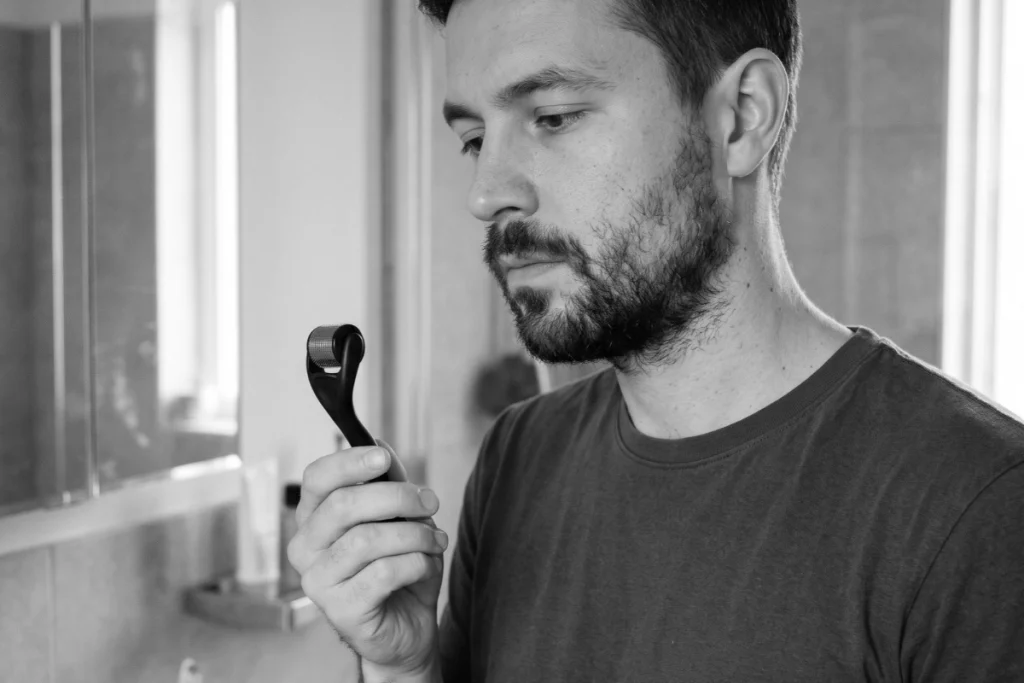
A beard roller is a small handheld tool with tiny needles around a rotating head. Those needles can puncture your skin and set off its healing response. That’s where the claims about collagen and hair growth come from. But getting your skin to repair itself doesn’t mean more beard hair will grow. A seller can explain how the needles affect your skin without showing that they’ll fill your cheeks.
Some studies have found that microneedling helps with certain types of scalp hair loss, often when used alongside minoxidil. Those findings are worth looking at, but they don’t tell us what a roller will do for your beard at home.
What the Beard Roller Research Really Shows
The positive 2013 scalp trial gets plenty of attention in beard roller articles. It’s a useful starting point, but later studies give us more to go on.
| Research | What it tested | What it found |
|---|---|---|
| 2013 trial involving 100 men | Scalp microneedling plus 5% minoxidil compared with minoxidil alone | Men receiving both treatments gained more hair over 12 weeks. |
| 2025 review of clinical trials | Microneedling plus minoxidil for pattern hair loss on the scalp | Using both treatments improved hair count and thickness overall, but some studies found a much bigger benefit than others. |
| 2026 trial involving 245 women | 2% minoxidil alone compared with minoxidil plus scalp microneedling on two different schedules | Researchers found no clear added benefit from microneedling after 24 weeks with either schedule tested. |
These weren’t repeat tests of the same treatment. The newer trial involved women, used a different minoxidil strength and followed a different needling routine from the 2013 study. Its result doesn’t wipe out the positive findings. It does show why you can’t assume every way of needling the skin will give the same result.
Also, look at what the roller was used with. Comparing minoxidil against minoxidil plus microneedling tells you whether adding needling helps. It doesn’t tell you what the roller would do on its own. If you’re buying just the tool, that’s the question you need answered.
Minoxidil has been tested directly for beard growth, too. That’s evidence about the drug, though, rather than proof that adding a roller improves the result. To recommend the extra step, I’d want beard studies showing enough extra growth to justify the added risk to your skin.
Beard Roller Results: Timelines and Before-and-After Photos
There’s no proven timetable for extra beard growth from rolling. If a seller promises fuller cheeks in a few weeks, check whether that promise comes from a beard study or customer testimonials.
Before-and-after photos can look convincing. But let a beard grow longer and the hairs may cover more skin. Change the trim and thin cheeks can look less obvious. A darker photo can hide gaps that stand out under bright bathroom lights.

Before giving the roller credit, look at:
- Length: Is the beard fuller, or just longer?
- The photos: Same lighting, same angle and the same distance from the camera?
- Other treatments: Was the person using minoxidil as well?
- Age and time: Is this a younger man whose beard may still be filling in naturally?
That doesn’t mean the person is lying about their results. Their beard might have changed quite a bit. But if they started minoxidil and rolling together, neither they nor you can tell from those photos how much the roller helped.
For your own progress photos, follow those same checks and note any changes to your trim or treatments. You’ll have something useful to compare instead of trying to remember whether your cheeks looked thinner last month.
Beard Roller Side Effects and Home Use Risks
A beard roller can leave you with sore skin as well as the same patchy beard. Redness, itching and bleeding can happen when needles puncture your skin. You can also end up with an infection, scars or lasting changes in skin color, especially if you press too hard.
Keep a roller away from painful pimples, infected skin and open sores. If your skin heals slowly or you’ve had raised scars called keloids, speak with a dermatologist before trying microneedling. They can check your skin and tell you whether it’s a good idea for you. Buying a roller online skips that check.
Needle Length and How Often You Roll
You’ll see advice to buy a particular needle size and roll several times a week. But there’s no proven home rolling routine for beard growth. A precise measurement or weekly schedule can sound reassuring without having beard research behind it.
Longer needles can reach deeper into your skin. Pressure matters, too: pressing harder or rolling too often can cause damage. Don’t aim for redness or bleeding. Neither tells you that you’ve done enough to encourage growth.
If you already own a roller, never share it and follow the manufacturer’s cleaning instructions between uses. Even a clean roller can hurt your skin if you use it too roughly.
Can You Apply Minoxidil or Beard Oil After Rolling?
Minoxidil is a medication, and using it for beard growth is off-label in the US. That means it isn’t approved for that use. The instructions on a scalp product don’t give you a beard routine to follow, especially when you add a roller. Speak with a dermatologist before combining the two.
Be careful with your usual beard oil afterward, too. Products that normally feel fine can sting or irritate freshly needled skin. And selling an oil and roller in the same box doesn’t prove they’re safe to use together. The FDA hasn’t cleared microneedling devices for use with drugs or cosmetics.
I wouldn’t guess how many hours you should wait before using either product. If you have microneedling done professionally, ask what you can put on your skin afterward and when you can return to your usual beard care.
What I’d Do About a Patchy Beard Instead
Before buying anything, work out what you want to change. If your cheeks have always been thinner than your chin, I’d start with the cut. A little extra length may help the surrounding hairs cover small gaps. But if growing it longer leaves you with thin cheeks and a bulky chin, keeping it shorter can look better.

You don’t have to trim every part to the same length. Ask your barber to take some weight off the thickest areas while leaving the thinner growth alone. That can make the difference between the two less obvious. If most of your growth is around your mouth and chin, a goatee or another beard style for patchy cheeks may suit what you have better than trying to grow a full beard.
Keep beard oil for dryness and softness. Use it if it makes your beard more comfortable and easier to groom, but don’t keep buying different “growth” blends hoping one will fill the gaps. A brush or beard comb can help you neaten the hair you already have, too.
If you want to explore treatment for more growth, speak with a dermatologist before spending money on a roller and minoxidil bundle. And if a patch has appeared where hair used to grow, get it checked rather than treating it as ordinary uneven growth.
My money would go toward a good trim first. You can judge the result right away and decide whether you prefer more length, less bulk or a different beard style.