
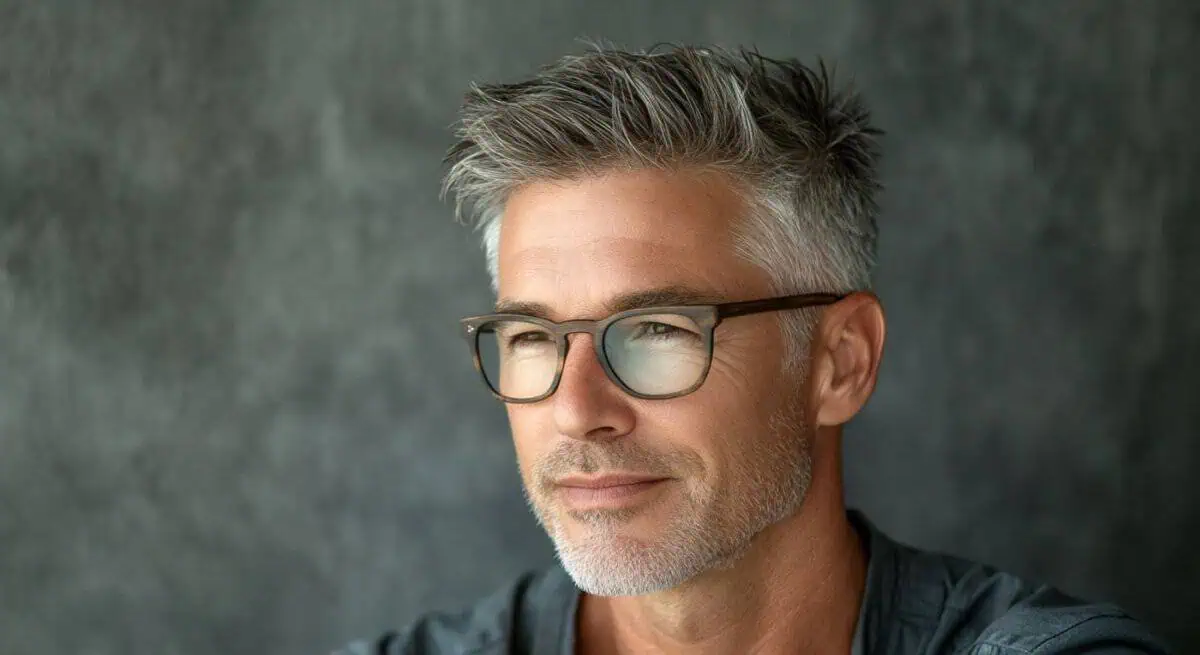
Hairstyles for older men are not about hanging on to what you had. They are about sharpening what still works.
Hair changes. Density shifts. Texture gets rougher. The hairline moves. The crown opens up. Pretending none of that is happening is how men end up with haircuts that feel dated, forced, or far too optimistic for the hair they actually have now.
A strong haircut at this stage should make you look settled in yourself. Not younger. Not trendier. Just sharper, steadier, and more in control. That means honesty matters more than wishful thinking, and some styles carry that better than others.

In this article
Short Hairstyles for Older Men That Still Look Strong
Short hair is where most older men look their best. Not because it is the easy option, but because it is usually the honest one.
Short styles work with thinning, recession, and changing texture instead of trying to disguise them with extra length. When they are done properly, they look strong. When they are not, they still recover faster than medium or longer hair ever will.
Note: Some of the images in this article were generated with AI to help illustrate the hairstyles more clearly.
Classic taper cut

The classic taper still works because it does not try to do too much. The sides and back stay neat, the top keeps enough length to avoid looking severe, and the whole thing stays sharp without looking stiff.
I would point a lot of men here first. It is one of the few haircuts that can look sharp and settled without feeling too formal or too old-fashioned. If your recession is deep or your part is widening fast, though, it can start exposing more than it helps.
Buzz cut

The buzz cut is the most honest haircut on this list. Same length all over, no weak sections being asked to pretend they are stronger than they are.
If the hair is thinning evenly, this is often the strongest move a man can make. A lot of men resist it because they think it means giving up. Most of the time it means you stopped arguing with bad hair and finally committed to the right move.
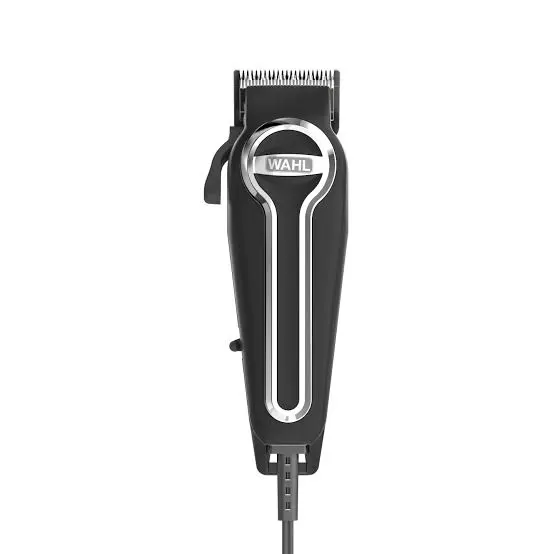
If you are going for a buzz cut, a good set of clippers makes it much easier to keep the length even at home. The Wahl Elite Pro is a solid choice when you want reliable guards and enough power for regular maintenance.
Beard Beasts may earn a commission from qualifying purchases.
Crew cut

A good crew cut still works very well, but only when the top has enough strength left to justify it. The shape keeps some structure through the front and crown while the sides stay tight and controlled.
This is a good option when the hair is thinning, but not collapsing. Once the crown is opening up too much, though, the crew cut stops helping and starts drawing attention to the exact area you hoped to calm down.
French crop

The French crop is one of the smartest options for older men with a receding hairline. The forward texture and fringe break up temple recession and shorten the forehead without making the haircut feel like a cover-up.
That said, it only works when there is enough density at the front to carry it. A weak fringe looks worse than no fringe at all. It is a strong choice, but only if the front still has enough density to carry it.
High & Tight

The high and tight is firm, stripped back, and not especially forgiving. It works when a man wants something sharp and disciplined, not soft around the edges.
I would only push this on men who actually suit that severity. It can look excellent on the right face and too harsh on the wrong one. If you want flexibility, this is not the haircut for you.
Side Part with Short Sides

This haircut can still look excellent, but only for the right man.If the density is still there and the part is holding, it looks clean, settled, and strong without trying too hard.
Once the part starts widening or the front begins thinning too much, it turns against you fast. That is why I would never recommend it blindly just because it sounds classic.
Short and Textured

This is one of the safer modern options for older men, especially if the hair is fine. Texture helps reduce scalp visibility, add grit, and stop the haircut from sitting too flat.
For a lot of men, this is a better real-world choice than holding on to smoother, neater cuts that no longer suit the hair they have now. It looks right without forcing it, which is exactly why it works.
Ivy League

The Ivy League can still look excellent, but it asks more of the hair than some men want to admit. You need enough density at the front to carry a cleaner, slightly longer top.
When that is there, the haircut looks sharp without being stiff. Once the front starts weakening too much, though, it loses that polish fast and starts looking like a holdover from a different stage of life.
Medium Hairstyles for Older Men That Are Worth It
This is where men need to get more honest. Medium length styles can look very good on older men, but only when the density is still there and the texture still behaves.
Once the crown is thinning fast or the hairline has moved too far back, medium styles stop adding presence and start exposing every weak point at once.
Modern Comb Over

A proper modern comb over is not the sad version men imagine. Done well, it is controlled, textured, and subtle, with enough movement to soften early recession without looking like it is trying to hide anything.
The word here is restraint. It works when the hair moves naturally. The second it starts looking dragged across the scalp to rescue ground you have already lost, it stops being a style and starts being a warning sign.
Bro Flow

When a bro flow works, it looks relaxed and confident. When it does not, it looks tired. There is not much middle ground with this one.
It needs decent density through the mid-scalp and enough natural movement to stop it feeling limp. If the crown is thinning or the temples are moving too far back, this haircut exposes everything instead of softening it.
Shoulder Length Layers

Shoulder-length layers can look excellent on the right man, but the hair has to earn that length. Without enough body underneath, it starts looking stringy very quickly.
I would only go here if the hair is still thick enough to carry the shape properly. If the density is see-through at the crown or too fine through the lengths, shorter is the smarter move.
Pompadour

A pompadour on an older man can look either excellent or ridiculous. There is not much in between. If the hair is still thick, strong, and cooperative, it can give the haircut shape and presence.
If the front is receding or the density is fading, it collapses into fantasy almost immediately. This is not a forgiving style, and I would not force it just because the photos look good.
Slicked Back

A slicked back style can look very good on an older man with solid density and clean texture. Gray hair often helps here because it adds natural authority to the shape.
But this is another style with nowhere to hide. Push the hair back from the face and every weak area becomes more obvious. If the hairline or crown is compromised, the slick back usually makes that worse.
Textured Quiff

The textured quiff is one of the better medium-length options for men with early thinning. It can add movement, reduce scalp visibility, and give the front some lift without looking too styled.
I would treat it as a temporary ally, not a permanent fix. Once the crown starts thinning too much or the front gets too weak, the quiff loses the argument and shorter starts making more sense.
Long Hairstyles for Older Men: Only When the Hair Can Carry It
Long hair on an older man can look great. It can also look exhausted very quickly. This is the section where honesty matters most.
Length does not make a man look younger. It just gives weak hair more room to show what is wrong with it.
Classic Long Layers

Classic long layers work when there is enough density to stop the hair from hanging flat. That is the whole game with this look. Movement over weight.
If the hair is thick and still behaving well, this can look strong. If it is fine, dry, or see-through at the crown, the layers do not save it. They just make the weakness easier to spot.
Long Slick Back

The long slick back can look distinguished, but only if the hair is strong enough for it. The appeal is obvious. It looks controlled, grounded, and slightly severe in a good way.
The hairline has to be able to handle full exposure, though. If it cannot, the style stops feeling confident and starts feeling like theatre.
Long and Wavy with a Beard

This is one of the stronger long-hair options when the texture is real and the beard is good enough to balance it. The beard matters because it anchors the face and stops the whole look from drifting.
When it works, it looks grounded and strong. When the beard is weak or the waves are inconsistent, it starts feeling messy instead of lived-in.
The Silver Mane

This is one of those styles men love in theory. In practice, it only works when the gray hair still has body, softness, and enough density to carry the length.
White and silver hair reflect light hard, which means weak areas show faster. If the hair is healthy, this can look powerful. If it is dry, wiry, or sparse, it gets old very quickly.
Low Ponytail

A low ponytail is practical, but it is not neutral. It puts tension on the hairline, exposes the crown, and makes weak density harder to hide.
It only works if the hair is still strong enough to justify being pulled back. Tied too tightly, it also starts creating problems of its own, which is why I would be careful with it on any fragile hairline.
Side-Swept with Volume

This version can soften the face and add shape, but the front needs enough density to carry it. Without that, it just exposes the problem more clearly.
I would only choose this if the front still has some real life in it. Otherwise, it quickly turns into another style asking weak hair to do too much.
How to Choose the Right One
This is where most men should spend more time than they usually do. The right haircut is not the one that worked ten years ago. It is the one your hair can still support now.
If the crown is opening up, shorter usually wins. If the front is weakening, anything that depends on lift or polish becomes riskier. If the hair is still dense and the texture is good, then you have more room to play with medium or longer styles.
The mistake is choosing from memory instead of choosing from reality. The mirror matters more than the haircut you liked ten years ago.
How Beards and Glasses Change the Whole Look
Hair does not stand alone, especially on older men. A beard can restore structure to a softening jawline and help pull visual weight downward when the hairline is receding.
That is why so many older men look better once the haircut and beard start working together instead of competing. A short boxed beard or controlled stubble often does more for the overall shape than another inch of hair ever will.
Glasses matter too. Thick frames add weight, thin frames expose more of the face and scalp, and the haircut has to account for that. When hair, beard, and glasses are in sync, the whole look settles down.
How to Keep It Looking Sharp
Older hair shows neglect faster. That is the truth. It dries out more easily, turns rougher, and gets harder to fake with styling.
Hydration matters. Regular trims matter. Matte products usually beat shiny ones because shine exposes scalp and makes weak density look weaker. If the gray is turning yellow, a purple shampoo such as GIBS Silver Toning Shampoo can help, but the hair still needs to be moisturized properly too.
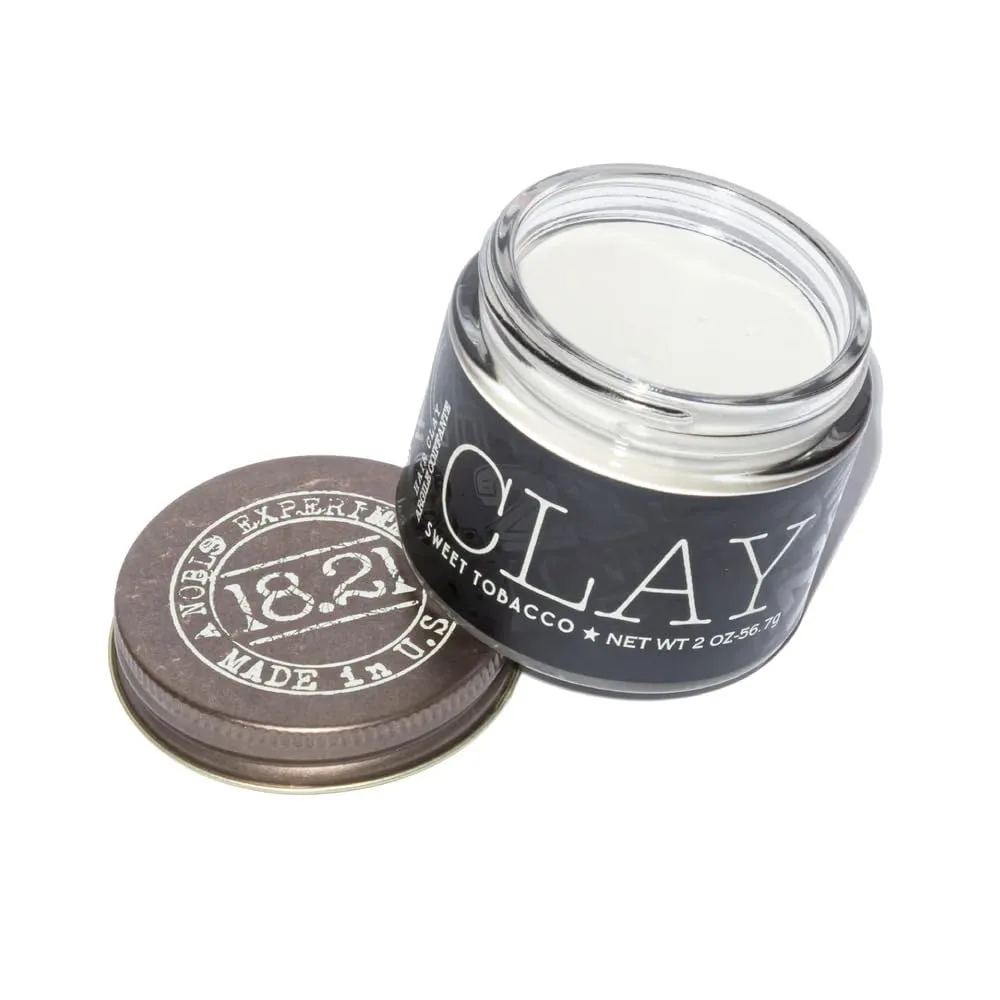
For shorter textured styles, I prefer a matte product that adds separation and control without introducing a shiny finish. 18.21 Man Made Clay is a good fit when you want definition with a drier, low-shine look.
Beard Beasts may earn a commission from qualifying purchases.
A good haircut can only do so much if the hair itself looks tired. The basics matter more now, not less.
A Few Straight Answers
These are the questions men usually ask once they stop trying to make old hair behave like it still has the same options.
What is the best hairstyle for older men?
The best hairstyle for older men is the one that fits the hair they have now, not the hair they had twenty years ago. For most men, that means shorter cuts with structure, texture, and less room for weak areas to stand out.
Do older men look better with longer or shorter hair?
Most older men look better with shorter hair. Not because long hair is wrong, but because shorter cuts usually handle thinning, dryness, and changing density better.
What is a good haircut for a 60 or 70 year old man?
A classic taper, short textured cut, crew cut, or buzz cut is usually a safer and stronger choice than anything longer or more elaborate. Age matters less than density, but those cuts tend to hold up well in real life.
What is the best haircut for a thinning crown?
A short textured cut, crew cut, or buzz cut usually works best. The point is not to hide the crown completely. It is to reduce contrast so it stops shouting for attention.
Do older men look better going lighter or darker with hair colour?
Natural gray usually looks better than forcing dark dye. Dark dye often creates harsh contrast and makes regrowth obvious fast. Gray, when kept clean and healthy, usually looks stronger.
The Beard Beasts Verdict
Getting older does not mean settling. It means getting more honest.
The best hairstyles for older men are not the ones trying to roll the clock back. They are the ones working with the hair that is still there and making it look as strong as possible. Sometimes that means going shorter. Sometimes it means adding texture. Sometimes it means admitting the style you used to wear no longer suits the man in the mirror now.
That is not defeat. That is judgement.
So my take is simple. Respect the density. Respect the texture. Respect the stage you are at. Do that, and the haircut stops trying to make you look younger and starts doing something better. It makes you look sharp.