I think the high fade textured crop is one of the strongest short haircuts a man can get right now, but only when the structure suits him. It has edge, it changes the shape of the face fast, and it gives short hair more intent than most standard fade haircuts ever manage.
The drawback is just as obvious. This cut is not forgiving.
If the top is too weak, the fade is too high, or the barber plays it too safe with the texture, it can go from sharp to awkward very quickly. I usually recommend it to men who want their haircut to make more of a statement, not men who just want something easy to forget about until the next trim.
What This Cut Actually Looks Like in Real Life
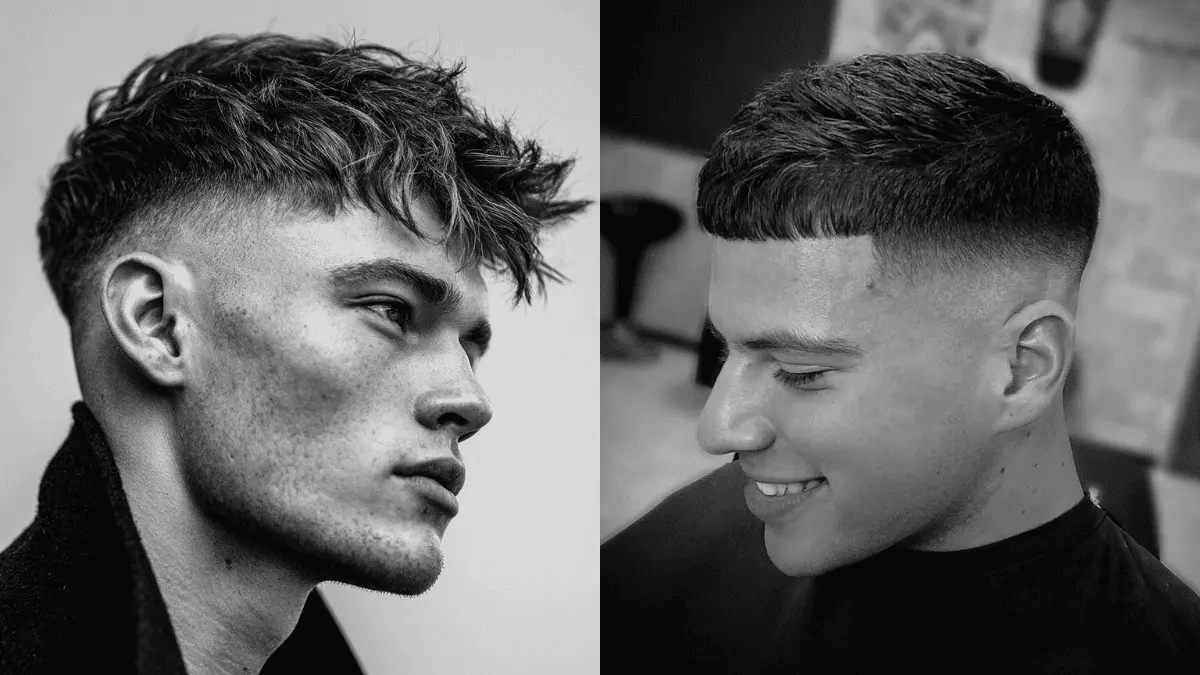
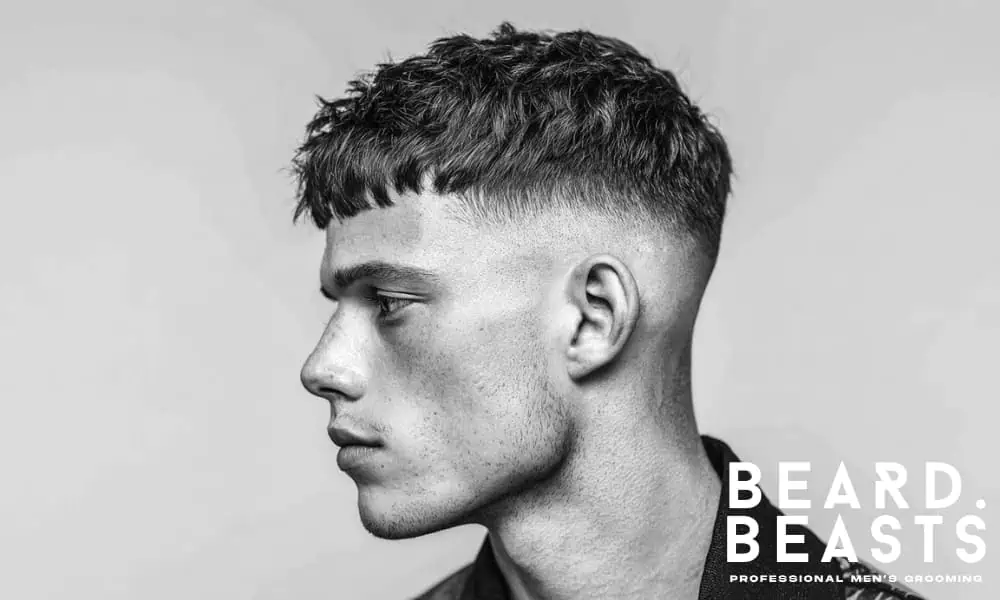
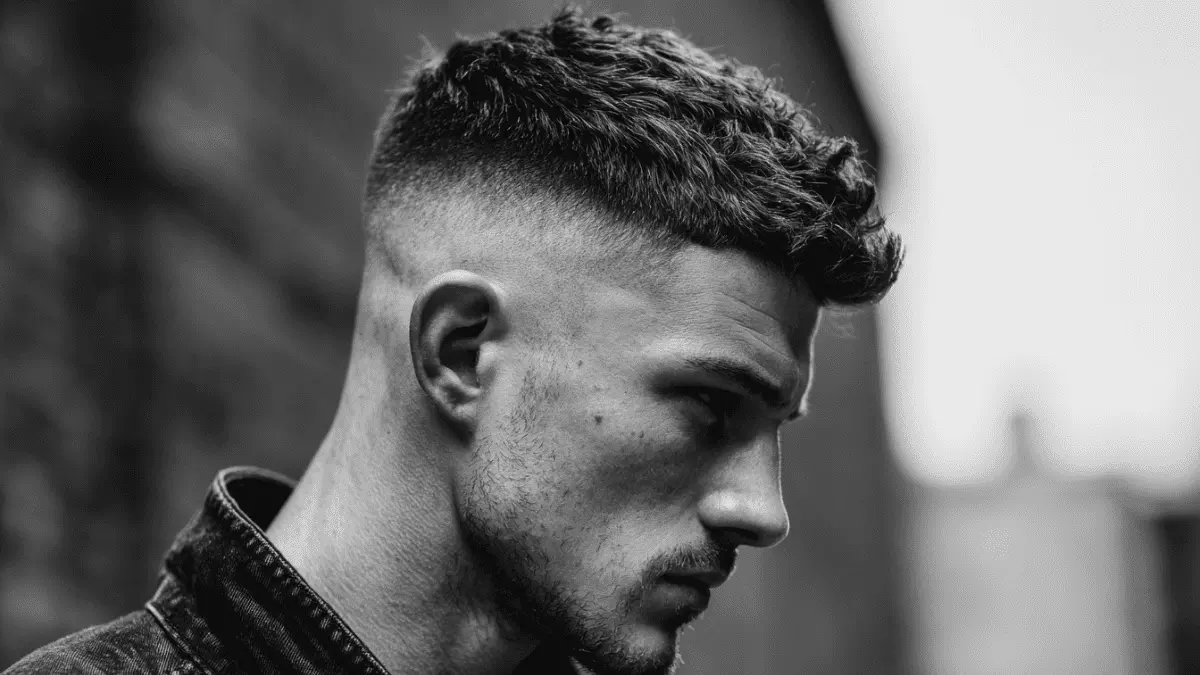
A high fade textured crop is a short crop with the sides taken up high, usually starting close to the temples, while the top is left choppy, broken up, and pushed forward. The whole point is contrast.
What I like about it is the way it tightens the sides and forces more attention onto the top and front hairline. It gives short hairstyles for men more edge instead of making them feel plain. On the right guy, it makes the face look sharper and helps the haircut stand out immediately.
What I do not like is when men think this is just any crop with shorter sides. It is not. A real high fade textured crop has a sharper break between the sides and the top. That is what gives it bite. Without that, it just becomes another short fade haircut with some messy product thrown into it.
Who I Think This Suits Best
From what I have seen, this cut works best on men with decent density through the top and front. If the hairline is still fairly solid and the top has enough thickness to hold texture, the high fade textured crop can look excellent.
I also think it suits men who want their features to look a bit stronger. Because the sides are stripped back so high, the haircut tends to sharpen the overall outline of the head and face. On rounder or softer faces, that can be a big plus.
Straight hair usually gives the crispest result because the texture reads clearly. Wavy hair can also work very well, but it gives the cut a looser finish. I actually prefer that on some men because it stops the haircut looking too rigid.
Who Should Think Twice
I would be careful with this cut if your density is weak at the fringe or across the top. A lot of men see textured crop haircuts online and assume texture hides everything. It does not. In some cases, it does the opposite.
A high fade removes so much weight from the sides that the eye goes straight to the top. If the top is thin, patchy, or already starting to collapse, that contrast can expose the problem rather than disguise it.
I would also think twice if you hate frequent trims. This is one of those haircuts that depends on precision. Once the fade grows out, a lot of the impact disappears. If you are the type to leave four or five weeks between barber visits, I think most men are better off with a lower fade or even a different crop shape altogether.
The Versions That Actually Matter
There are plenty of ways to tweak a high fade textured crop, but not all of them matter equally. In my view, these are the ones worth caring about.
Note: Some of the images below were generated with AI to help illustrate the haircut more clearly.
The classic version

This is the one I would recommend first. High fade, short textured top, forward shape, nothing excessive. It has enough edge to look current without trying too hard.
If a man tells me he likes the idea of a high fade textured crop but is not sure how far to push it, this is where I would start.
The skin fade version

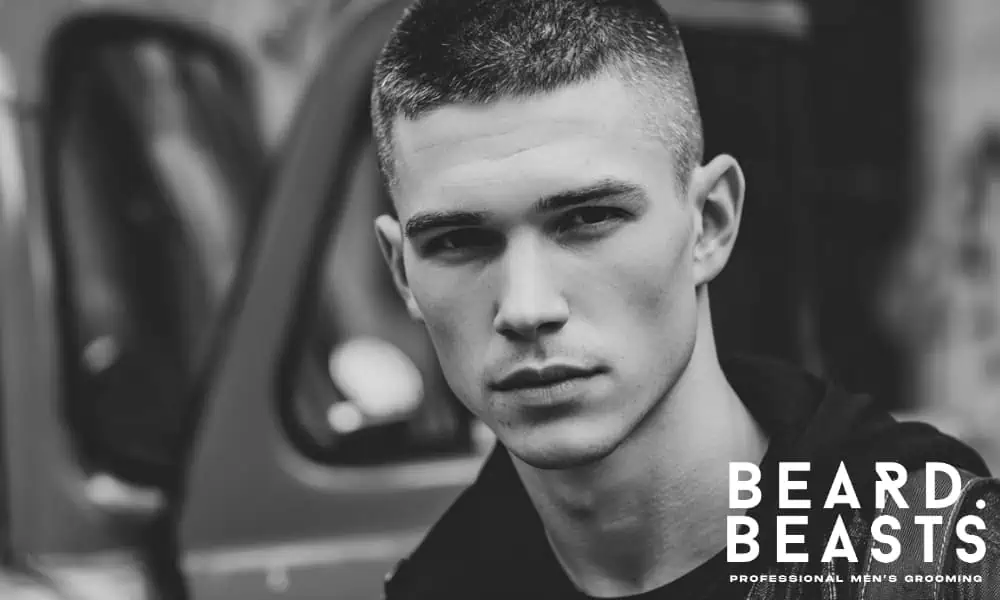
This is where the haircut gets a lot stronger. Taking the fade right down to skin increases the contrast and makes the top stand out more. When it is done properly, it looks sharp. When it is done badly, every mistake shows.
I would choose this over the softer version only if you are serious about upkeep and you know a barber who can actually blend properly. Otherwise, I think it is easier to overdo.
The heavier fringe version

A thicker fringe can make the crop feel bolder and more fashion-forward, but it only works when the density is there. If the front is weak, I would avoid forcing extra weight just because you like the look of it in photos.
This is one of those versions that looks strong on the right head of hair and very wrong on the wrong one.
The drop fade variation

I like this version for men whose head shape looks a little flat from the side or back. Keeping the fade high but letting it dip slightly behind the ear can make the outline look better balanced.
It is a subtle tweak, but it can make the whole haircut look more considered.
High Fade vs Mid or Low Fade Crop
This is where men usually make the wrong call.
A high fade textured crop gives more contrast, more aggression, and more presence. It removes bulk early and makes the haircut feel tighter and more obvious from a distance. If that is what you want, it does the job.
A mid fade crop is easier to live with. It keeps more weight through the upper sides, grows out better, and usually looks less severe. If a man wants a textured crop but is not fully committed to the sharper look, I usually recommend a mid fade first.
A low fade crop is the easiest of the three to live with, but it also gives the least impact. I would choose it for a man who wants a safer shape, a softer grow-out, or something that feels less exposed around the sides.
My view is simple:
- high fade if you want the haircut to stand out
- mid fade if you want the best balance
- low fade if you care more about ease than impact
The Biggest Mistake Men Make With This Cut
The biggest mistake is asking for the look without understanding what actually makes it work.
A lot of men focus on the fade and forget the top. Then they end up with very short sides and a top that is too blunt, too flat, or too heavy. That is how you get a crop that looks lifeless instead of sharp.
The second mistake is going too high when the head shape or density cannot support it. Not every man needs maximum contrast. In fact, quite a few would look better with the fade dropped slightly lower and the top left with a bit more balance.
I would also avoid overloading it with product. This cut usually looks better with a light matte product that separates the texture instead of weighing it down.
I think this is one of those cuts where restraint often beats overstatement.
What to Tell Your Barber
I would be direct with this one.
Ask for a high fade that starts near the temples, not halfway down the sides. Be clear about whether you want it taken to skin or kept at a tight guard, because that changes the whole feel of the cut.
Then tell your barber you want the top left short, textured, and pushed forward. Not blunt. Not bulky. Not just a standard short back and sides with a fade.
If you want a heavier fringe, say so. If you want the front more broken up and lighter, say that too. I would not assume every barber reads “textured crop” the same way.
If you have weaker density around the front or crown, mention it. A good barber should adjust the layering, fringe weight, and overall balance to work with your hair, not force a version that only looks good on someone else.
What to Expect After the First Week
This haircut usually looks best in the first several days after a proper cut. After that, the fade starts to soften and the outline loses some of its sharpness.
Because the fade sits high, regrowth becomes obvious earlier than it would on a low fade. That is one reason I do not recommend this style to men who want something they can ignore for a month.
The top generally holds up better than the sides, especially if it has been textured properly. But once the upper sides start filling in, the whole haircut changes. It stops looking like a high fade textured crop and starts looking like a grown-out short cut with less intent.
If you want it to keep its shape, I think every two to three weeks is realistic.
High Fade Textured Crop FAQs
If you are still unsure, these are the questions I would clear up before getting it cut.
Is a high fade textured crop good for thin hair?
Sometimes, but I would not call it an automatic fix. It can pull attention upward and make the top seem fuller, but only if there is enough hair there to work with in the first place. If the density is genuinely weak, a softer fade is often the smarter move.
Can you get a high fade crop without taking it to skin?
Yes, and in a lot of cases I prefer it. You still get the structure of the high fade, but the contrast is a little less harsh and the grow-out is easier to manage.
Is it too strong for work?
That depends on where you work, but in most modern settings I do not think so. A well-cut high fade textured crop looks intentional. The issue is not that it looks too strong. The issue is that once it grows out and loses shape, it can start looking neglected.
How often does it need trimming?
More often than most men want to hear. If you like it looking sharp, every two to three weeks is about right.
Final verdict
I do recommend the high fade textured crop, but not blindly.
I think it works best for men with solid density up top, a decent front hairline, and the willingness to keep it maintained. When the cut is built properly, it gives short hair more edge, more shape, and more presence than a safer fade ever will.
I would choose it if you want a sharper, more current haircut that actually changes how your face reads. I would not choose it if your top is thinning, your barber tends to play everything safe, or you are not going to keep up with trims.
For the right man, it looks strong without needing much explanation. For the wrong man, it just exposes everything that should have been handled differently.