

A number 2 buzz cut is where picking a guard stops being only a question of how short you want your hair. You’re also deciding how much of your hairline, head shape, and natural growth you’re happy to show.
I like the #2, especially with a low or mid skin fade. I wouldn’t use it to dip a toe into buzz cuts, though.
So before you book it, ask yourself one thing: do you want a close buzz, or does “number 2” sound less drastic than it is? Those aren’t always the same thing.
How Short Is a Number 2 Buzz Cut?
A number 2 buzz cut leaves roughly 1/4 inch, or about 6 mm, of hair. The “2” is the clipper guard size, not 2 mm, so the number alone won’t tell you the finished length.

Two #2 buzz cuts won’t always look identical. Clipper guards can vary slightly between brands, and cutting against the grain generally leaves hair shorter than cutting with it.
At around 6 mm, there isn’t enough length to push your hair forward, add much texture, or control which direction it goes. Instead, it follows its natural growth pattern. That means a cowlick at the front or a swirl at the crown can become more noticeable.
For me, this is where a buzz cut starts looking less like a shorter version of your usual haircut and more like a completely different style.
What Does a Number 2 Buzz Cut Look Like?
A number 2 buzz cut looks shorter on your head than 6 mm might sound. You still have visible hair across your scalp, but there’s very little length to hide differences in thickness, density, or your natural hairline.

That’s why the same #2 can look quite different from one man to another. Thick, dense hair can give the cut a fairly full appearance, while fine or thinning hair tends to reveal more scalp. The contrast between your hair and skin color also makes a difference, particularly if you have dark hair and pale skin.
Your natural hair texture plays a part, too. Straight hair often looks flatter and more uniform at this length, while coarse or tightly curled hair can retain more visible texture.
Head shape also becomes more noticeable with a number 2 buzz cut. At just 6 mm, there’s very little hair to disguise bumps, flat areas, or prominent ridges. That doesn’t mean you need a perfectly rounded head, but it’s worth considering if you’ve never had your hair this short.
I wouldn’t choose a number 2 buzz cut based on someone else’s photo alone. Pay attention to their hair density, texture, and skin tone. A cut that looks thick and even on one guy could leave much more scalp showing on another.
Number 2 vs Number 4 vs Number 6 Buzz Cut
The jump between these three is bigger than the numbers suggest. Each step changes how much scalp shows and how much of your texture comes through.
A #2 leaves about 1/4 inch (6 mm). It’s the one to choose when you want a close buzz, and with so little length to play with, the result is short and exposed by design.
A #4 buzz leaves about 1/2 inch (13 mm). You keep noticeably more coverage and texture, and it still has that simple clipper-cut look without feeling as severe.
A #6 leaves about 3/4 inch (19 mm). Your texture and growth direction now have room to create visible shape, so it looks more like a short haircut than a buzz. Pick it when coverage matters more to you than a close cut.
If you’re torn between them, I’d start with the #4. Going shorter takes minutes, while going longer means waiting. At roughly half an inch of growth a month, a #2 needs about two to three weeks to reach #4 length.
Should You Get a Fade With a Number 2 Buzz Cut?
To my eye, a number 2 buzz cut looks better with faded sides than at one length all over.

A #2 all over gives you no separation between the top and sides, so your head can look like one even block of hair. Taking the sides and back down to a skin fade makes the length on top stand out and gives the cut a more defined shape.
“Skin fade” means the hair is taken down to bare skin at the bottom. Low, mid, or high describes how far up your head the transition climbs.
With a #2 on top, I’d keep the fade low or mid. A high skin fade takes so much off the sides that on a cut this short, the fade can take over the whole look.
The catch is maintenance. A #2 all over is easy to keep up yourself with a quick pass of your own clippers every week or two. A skin fade blurs as the shortest areas grow back, so plan on a barber visit every two to three weeks if you want it to stay crisp.
If you’re planning to maintain a #2 all over at home, a reliable clipper kit is worth having. The Wahl Elite Pro comes with a range of guards, including the #2, so you can keep the length consistent without visiting the barber every couple of weeks.
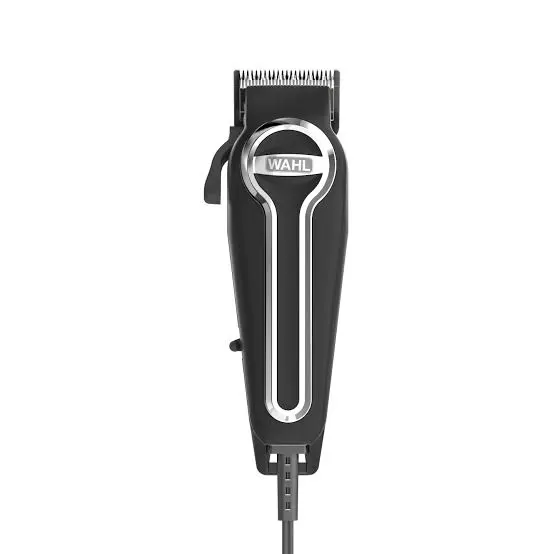
Wahl Elite Pro Hair Clipper Kit
A practical choice for keeping a number 2 buzz cut even at home. The corded clipper comes with multiple guide combs, including a #2, so you can maintain the same length or try something longer.
CHECK PRICE ON AMAZON Affiliate link. We may earn a commission at no extra cost to you.
If you want the least effort possible, go uniform. On looks alone, I’d take the skin fade and accept the extra visits.
Number 2 Buzz Cut for Thinning Hair
A number 2 buzz cut can work with thinning hair, but don’t count on the old rule that going shorter always hides it. Sometimes it helps, and sometimes it puts more scalp on display.
It helps when longer hair is exaggerating the problem. Extra length adds bulk wherever your hair is still dense, which makes a thin crown or sparse patch look worse by comparison. Taking everything down to a #2 shrinks that difference.
It backfires when the length is doing real covering. At 6 mm, there’s almost nothing left to fall across a thin crown, so you’ll see more scalp, not less.
A receding hairline is a separate case. A #2 won’t hide recession, but it can make it less obvious by removing the fuller hair behind it. The front then stops looking like something the rest of your hair is trying to cover.
To check which situation you’re in, look at your hair dry and unstyled, and take a phone photo of your crown under overhead light. If the length is mostly exaggerating the thin areas, a #2 can make sense. If it’s covering them, I’d hold off.
Who Does a Number 2 Buzz Cut Suit?
A #2 suits you best if your hair is fairly dense, your head shape is reasonably even, and you’re comfortable with your hairline as it is. It’s also a good match if you want zero styling time, and it’s a practical cut in hot weather.
Think twice if your hair is fine enough to show scalp under bright light, if you have a strong cowlick or bumps you’d rather keep hidden, or if you’re hoping the cut will cover thinning.
You’ll see plenty of advice about matching buzz cuts to face shape. At 6 mm, head shape and density change the result far more, so that’s where your attention should go.
What to Ask Your Barber for a Number 2 Buzz Cut
Don’t stop at “number 2 buzz cut.” That tells your barber the length, not the finished haircut.
For one length, ask for a #2 all over. For the faded version, ask for a #2 on top with a low or mid skin fade on the sides and back, and name the height, because “skin fade” alone doesn’t tell them where the fade should stop.
Be clear about the hairline too. Unless you want a sharp lineup, ask them to keep the front natural. A forced square line or cutting into the corners tends to draw attention to your hairline rather than improve it.
If you’ve never had your hair this short, ask your barber to go over the top with a #3 first. You can check it in the mirror, then take it down to a #2 once you’re sure.
Bring a reference photo, but use it to show the fade height and hairline finish rather than the length on top. Your barber can judge the length from your hair. The photo tells them the shape you want.
Number 2 Buzz Cut: Would I Get One?
I’d get a number 2 buzz cut, as long as I already knew I wanted my hair very short. My version would be a #2 on top with a low or mid skin fade, kept tidy with regular barber visits.
It’s a committed short haircut rather than a safe first step. If you’re still deciding how you feel about losing most of your length, a #4 will tell you without the risk.
If you already want that close, no-styling look and your hair has the density to carry it, go for it.