
A scraggly beard can get worse when you follow the most obvious advice. You grow it longer, trim the flyaways, add more product, and still end up staring at the same untidy beard.
Those fixes only work when they match what’s actually causing the problem. Choose the wrong one and you can remove useful length, make thin areas stand out more, or keep trying to solve something that grooming alone cannot fix.
So before you reach for the trimmer or another bottle, work out what’s making your beard look this way. That tells you what to fix and, just as importantly, what to leave alone.

In this article
What Makes a Beard Look Scraggly?
Start by looking at where your beard starts to look weak or messy. That can tell you a lot more than just deciding the whole beard looks scraggly.

A few things can cause it. The beard may still be growing in, it may be too long, the hairs may grow in different directions, the shape may be off, the hair may be dry or damaged, or some areas may simply grow thinner than others.
If it looks thin close to the skin, density is probably part of the problem. If it looks fairly full near the skin but gets messy as it grows out, growth direction or shape may be the issue. If it only looks thin, fuzzy, or stringy near the ends, length or damaged hair is more likely.
Check it when the beard is dry, brushed into shape, and in natural light if you can. A wet beard can look thinner because the hairs clump together, and strong bathroom lighting can make gaps look worse than they really are.
I also like taking a photo from the front and both sides at about arm’s length. It gives you a better idea of how the beard actually looks than standing inches from the mirror and picking apart every hair.
Is Your Beard Still in the Awkward Stage?
If you only started growing your beard recently, the scraggly look may simply be part of growing it out. Different areas do not always grow at the same pace, so the chin or mustache can look fuller while the cheeks still seem behind.
That can make your beard hard to judge early on. Trimming it back every time one area looks weaker can stop you from seeing how it looks once the shorter hairs have had more time to grow.
I’d give a new beard enough time before deciding what it can actually do. Keep the neckline and cheek line tidy if they need it, but avoid trimming back the overall length just because the beard looks uneven early on.
Patience has its limits, though. If you have given the beard plenty of time and the same areas are still clearly sparse close to the skin, you are probably looking at a density issue rather than something more length will fix.
Is Your Beard Too Long for Its Density?
More length does not always make a beard look fuller. Sometimes it does the opposite. The beard can look thick through the cheeks and chin, then start looking much thinner toward the bottom because fewer hairs reach that far.

Your longest beard and your best-looking beard are not always the same thing.
Look at it from a normal distance. If the upper part still looks full but the bottom of the beard looks see-through, stringy, or broken up, the extra length may be making the beard look worse rather than better.
This is where I think a lot of men go wrong. They keep growing because longer hair can sometimes cover weaker areas. But there comes a point where the extra length stops helping and starts drawing more attention to the thinnest part of the beard.
Trimming it back to where it still looks full can make the whole beard look thicker, even though you have removed hair.
However, that does not mean every uneven beard needs trimming straight away. Shorter hairs may still need more time to grow in. But if the bottom keeps looking much weaker than the rest, you have probably gone past the length where your beard looks its best.
When you do shorten it, trim it dry and take off less than you think you need. Use a longer guard if you are unsure. You can always take more off, but you cannot put the length back once it is gone.
When Growth Direction Makes Your Beard Look Messy
A beard can have plenty of hair and still look scraggly because the hairs grow in different directions. Some beard hairs stick out, some curl under, and different parts of the beard can go their own way. That can create gaps between the hairs and make the beard look thinner than it really is.
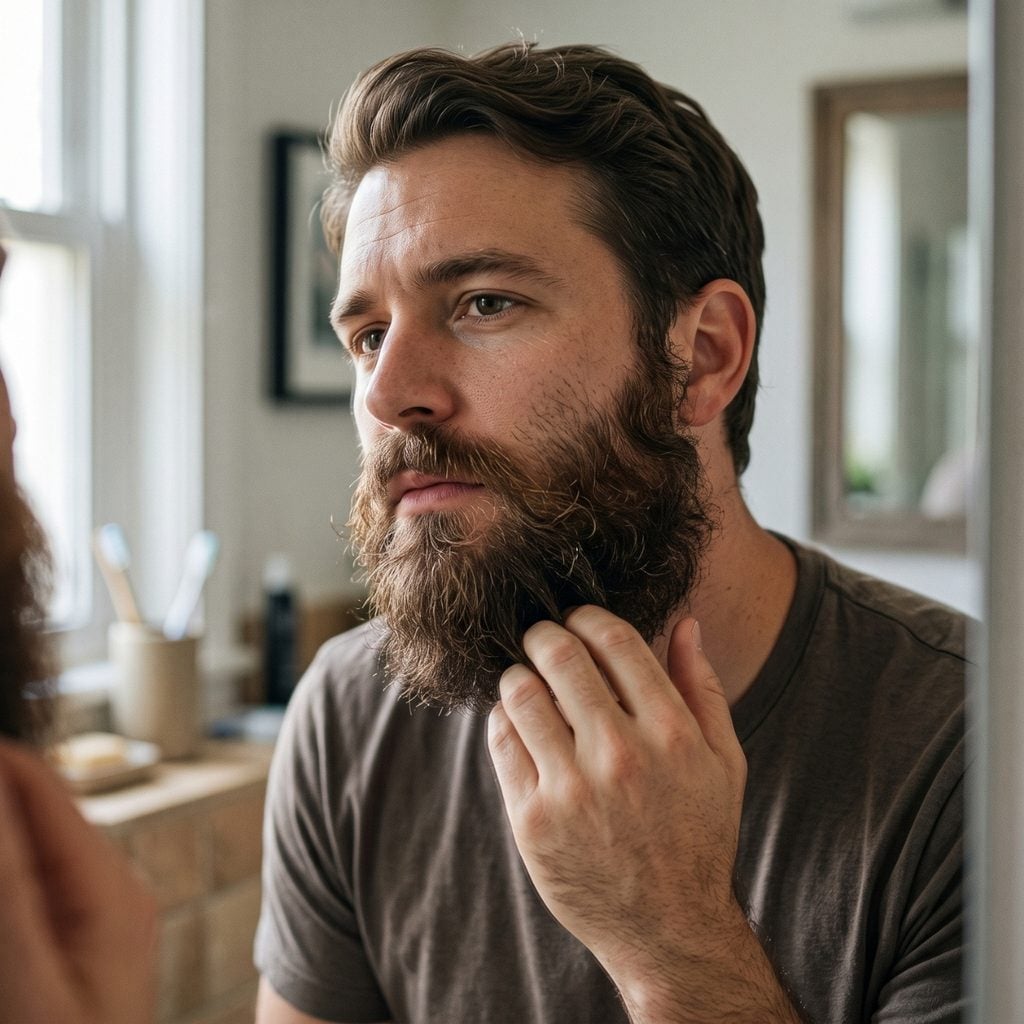
Brush or comb it into the shape you want and see what changes. If it suddenly looks fuller and more together, I’d work on control before cutting more length off.
Just be careful not to mistake coverage for density. If you are brushing longer hairs over a thin patch, you are only hiding the gap, not fixing it.
Sometimes a beard brush or comb is enough. If certain areas still keep sticking out, a little beard balm can help hold them in place. You can also use a blow dryer on a low or cool setting while brushing to help the beard stay where you want it for the day.
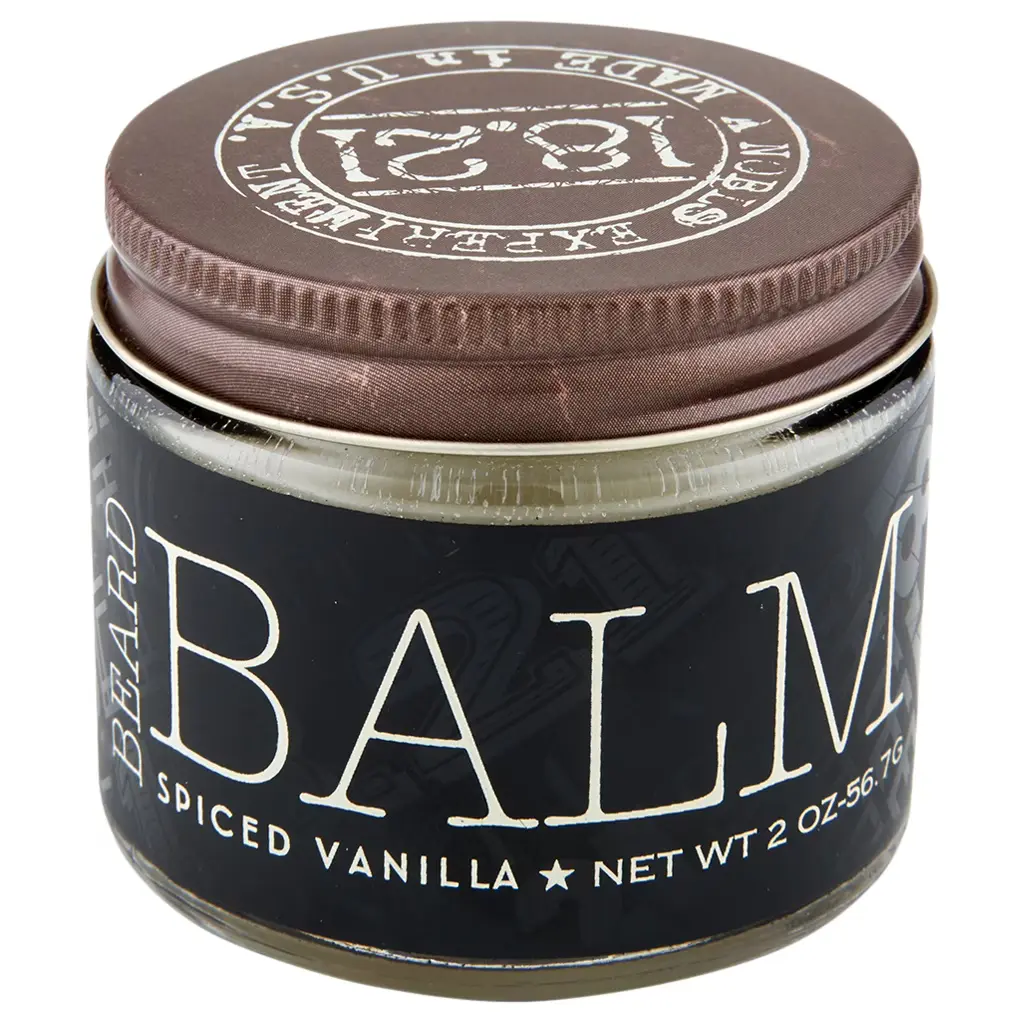
If your beard has enough hair but keeps sticking out in different directions, this is where I’d use a balm. 18.21 Man Made Beard Balm gives you extra control without pretending it can fix thin growth.
What you cannot do is change the direction the hair grows from the root. I’m skeptical of claims that you can permanently “train” every stubborn beard hair to grow a different way.
You do not need every hair pointing the same way anyway. A few odd hairs are normal. The aim is simply to get most of the beard going in the same general direction so it looks neater and less scraggly.
Stop Trimming Every Hair That Sticks Out
One of the easiest ways to make a scraggly beard worse is to keep cutting every hair that sticks out.

A few stray hairs can look like a big problem when you are right up against the mirror. Step back and you may barely notice them.
That gives you a simple test: if the beard looks off from a normal distance, the overall shape may need work. If it only bothers you when you are close to the mirror, you are probably focusing too much on single hairs.
Brush the beard into place and step back before you start trimming.
The problem with chasing every flyaway is that you can slowly take too much off. You cut one hair, then another stands out, then another. Before long, one area is shorter than the rest and you have created a weak spot that was not there before.
If one hair still sticks well outside the rest after you have brushed the beard into shape, trim it. But do not cut every hair just because it is doing something slightly different.
If the whole beard looks too wide, uneven, or out of shape, that is a different problem. You need to fix the shape of the beard, not keep picking at single hairs.
The neckline matters here too. If beard growth has crept too far down your neck, the whole beard can look untidy even when the rest of it is fine. The same goes for a messy cheek line.
There is no perfect neckline for everyone, but a common starting point is just above the Adam’s apple, with the line curving up toward the jaw rather than going straight across.
For the cheek line, I would keep as much natural height as you can while still making it look tidy. Taking it too low can make the beard look thinner, especially if your cheeks are already a bit sparse.
Once the neckline and cheek line look right, shape the sides and bottom as a whole instead of trimming the beard one hair at a time.

If the whole beard actually needs reshaping, this is where I’d use a trimmer rather than chasing individual hairs with scissors. Start with a longer setting and take off less than you think you need.
Dry or Damaged Beard Hair: When Conditioning Helps
Dry or damaged hair can make a beard look scraggly, but do not assume dryness is the problem just because the beard looks rough.
Does it feel rough? Is it extra frizzy? Are the ends starting to split or look frayed?
That is when beard oil can help. It can soften the beard and help with the skin underneath, which can make rough hair easier to manage. If your beard already feels soft, adding more oil probably is not going to change much.
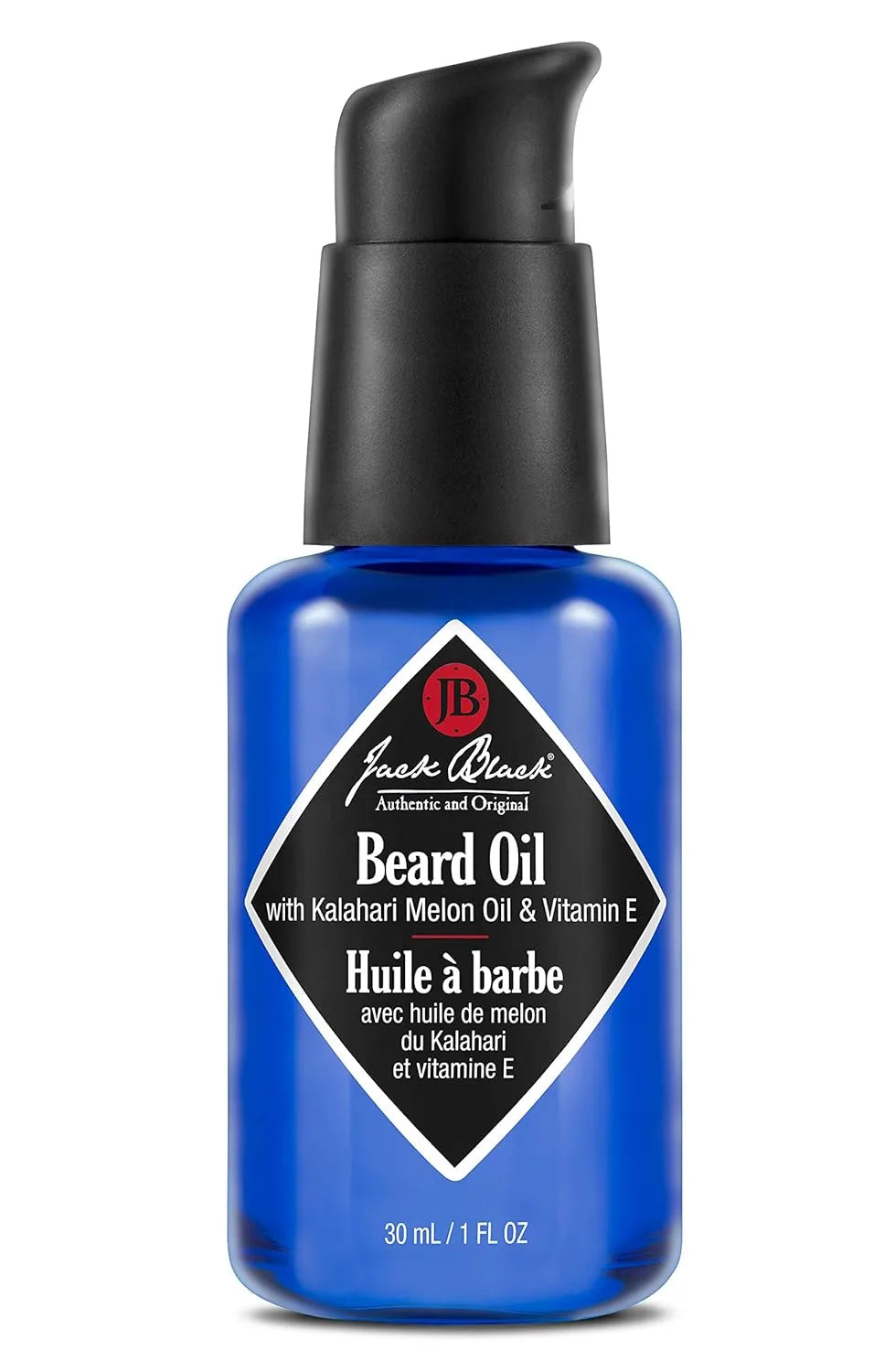
If dryness is actually part of the problem, this is the beard oil I’d use. It helps soften rough beard hair and condition the skin underneath. If your beard already feels soft, I’d skip it.
Split or badly damaged ends are different. No product is going to join them back together. If most of the beard feels fine but the bottom looks fuzzy, rough, and frayed, I would trim off the damaged ends instead of trying to hide them with more product.
It is also worth looking at what is making the beard feel rough in the first place. Strong shampoo, too much heat, or rubbing it hard with a towel can all dry the hair out. There is not much point adding more conditioner or oil if you keep doing the thing that is drying it out.
Scraggly Beard vs Patchy Beard: Why the Fix Is Different
From a distance, a scraggly beard and a patchy beard can look similar. But they are not the same thing. A scraggly beard can have plenty of hair that just looks messy, while a patchy beard has areas where less hair actually grows.

To tell the difference, move the longer hairs aside and look close to the skin.
If there is plenty of hair near the skin but the beard starts looking thinner or messier as it gets longer, length, growth direction, or shape may be the real problem. If you can clearly see areas where much less hair is growing, you are more likely dealing with patchiness.
Oil can help if the hair is dry. Balm can help keep stubborn hairs under control. Brushing can help the beard lie better. None of them can make new hairs grow where there are not enough to begin with.
If patchiness is the problem, I would work with the growth you have instead of trying to hide it with more length. Sometimes a shorter beard makes the thin areas stand out less. Other times, keeping a little more length where your beard grows best can help even things out.
The mistake is thinking a patchy beard always needs more length. Sometimes that helps, but sometimes it just makes the thin areas more obvious.
What I’d Fix First
If your scraggly beard has more than one problem, don’t try to fix everything at once. I’d start with the easiest things to change and leave cutting off a lot of length until you know you really need to.
A new beard may just need more time. Hairs growing in different directions may only need better control. Dry or damaged hair needs something different again. None of those means you should immediately cut back a beard you have spent months growing.
If the bottom is clearly thin and stringy, then shortening it makes sense. And if you can see that some areas are genuinely sparse close to the skin, work with the growth you have instead of trying to make those areas look as full as the rest.
I’d also hold off on buying another product until you know exactly what you want it to do.
Then change one thing and see what happens. That is the part I think matters most. If you trim it, change products, style it differently, and reshape it all at once, you will not know what actually helped. Make one change, look at the beard again, then decide if anything else still needs fixing.