Men’s shaggy hairstyles are back, but not in the lazy, grown-out way people sometimes imagine.
A good shag haircut is not just long hair that missed a few trims. It needs layers, weight taken out in the right places, and enough looseness to stop the cut looking stiff. Get it wrong and it turns heavy at the sides, flat on top, or weak through the ends.
That is the difference with shaggy hair. The mess has to be cut into the style. It cannot just happen by accident.
I like shaggy hairstyles when they suit the man’s hair type and face. They can make straight hair look less rigid, give wavy hair more life, and stop thick hair from sitting like a helmet. But if you want sharp barbered lines and a cut that sits the same every morning, this probably is not your lane.
What Makes A Shaggy Hairstyle Actually Work?
A shaggy hairstyle works when the layers have a job to do.
Too many men grow their hair out, ask for texture, and end up with a heavy mop that sits badly around the face. That is not a shag. That is just overgrown hair with a better name.
The layers need to remove bulk without making the ends look weak. If the sides are left too full, the head looks wider. If the fringe is too dense, the front closes in on the face. If the ends are thinned too much, the cut starts looking stringy.
For me, the best men’s shaggy hairstyles have some mess in them, but the cut still knows where it is going.
The Best Men’s Shaggy Hairstyles For 2026
Not every shag gives the same result.
Some are short and compact. Some need natural wave. Others only work if your hair has enough density, or if you are comfortable letting it sit a little rough.
Here are the shaggy hairstyles that actually make sense.
Shorter Shaggy Cuts
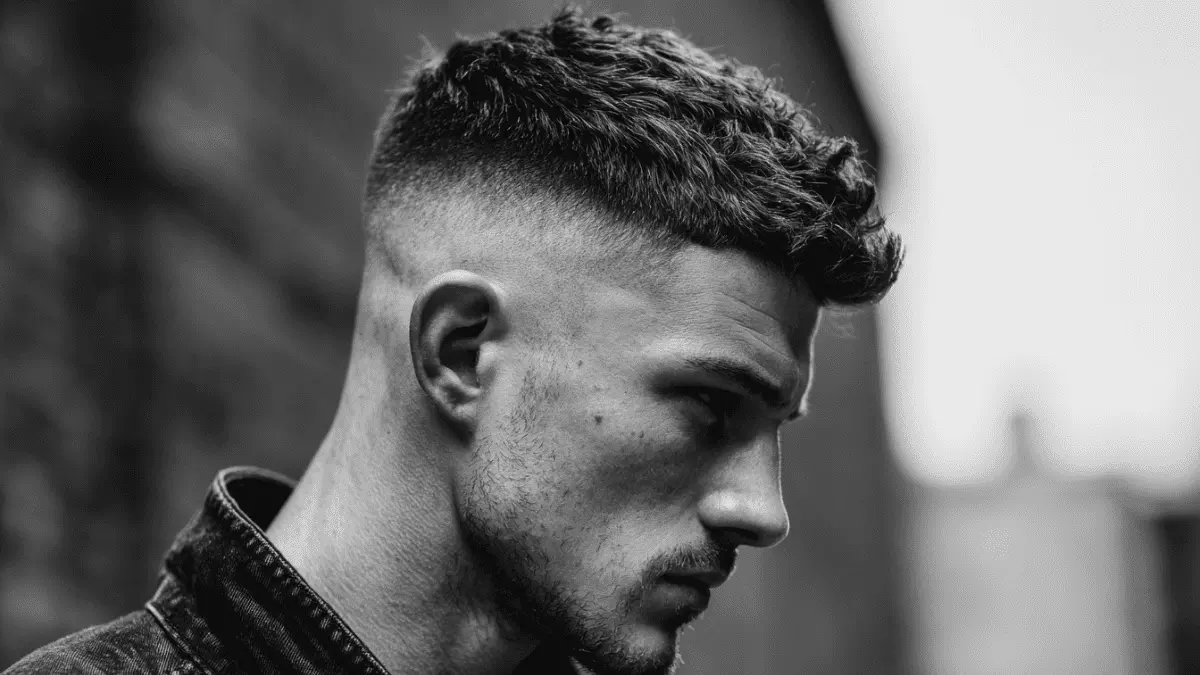
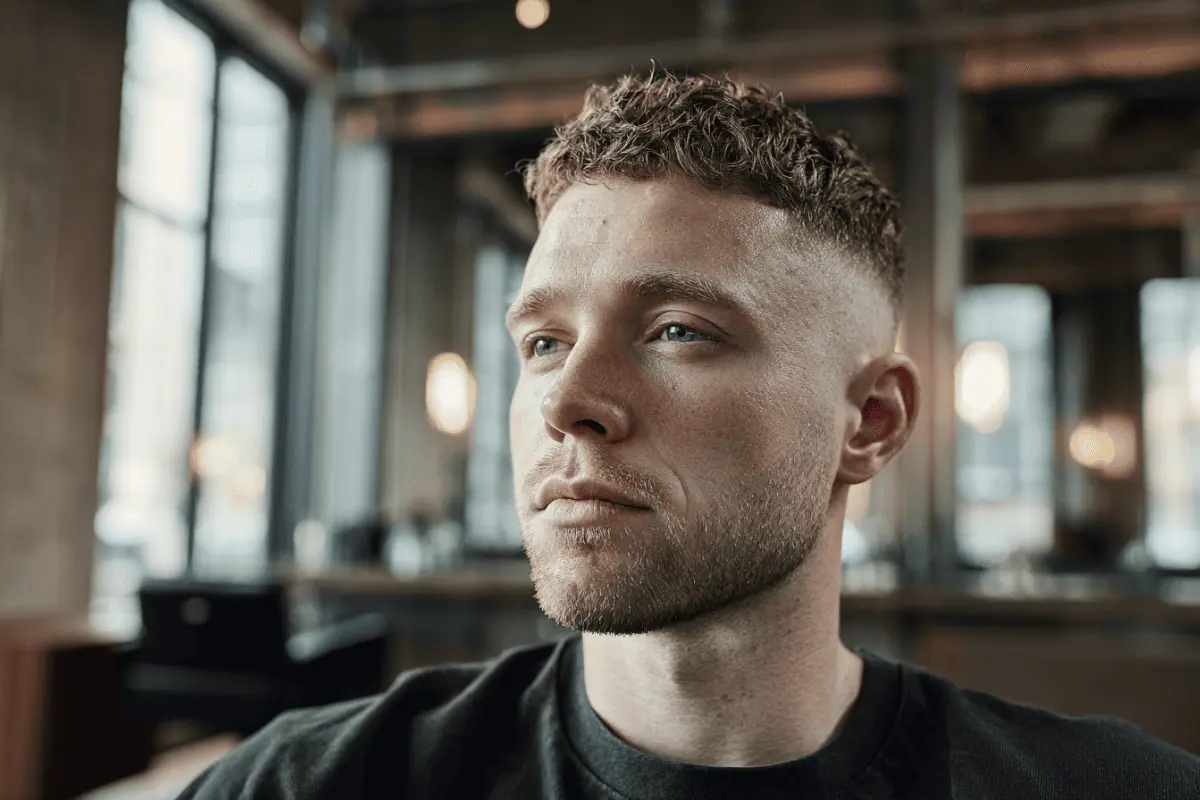
Short shaggy cuts are a good option if you want character without growing your hair too long. They still need broken layers, but the outline stays tighter and easier to manage.
Short Shaggy Cut

The short shaggy cut is the easiest entry point.
You get the broken texture and loose finish of a shag, but without the extra length around the ears and neck. It works well on thicker hair because the layers can take out bulk while keeping the cut compact.
Do not make this one too tidy. If the top is too neat, it stops feeling shaggy. If the edges are left too loose, it starts looking like a grow-out rather than a haircut.
Shaggy Caesar Cut

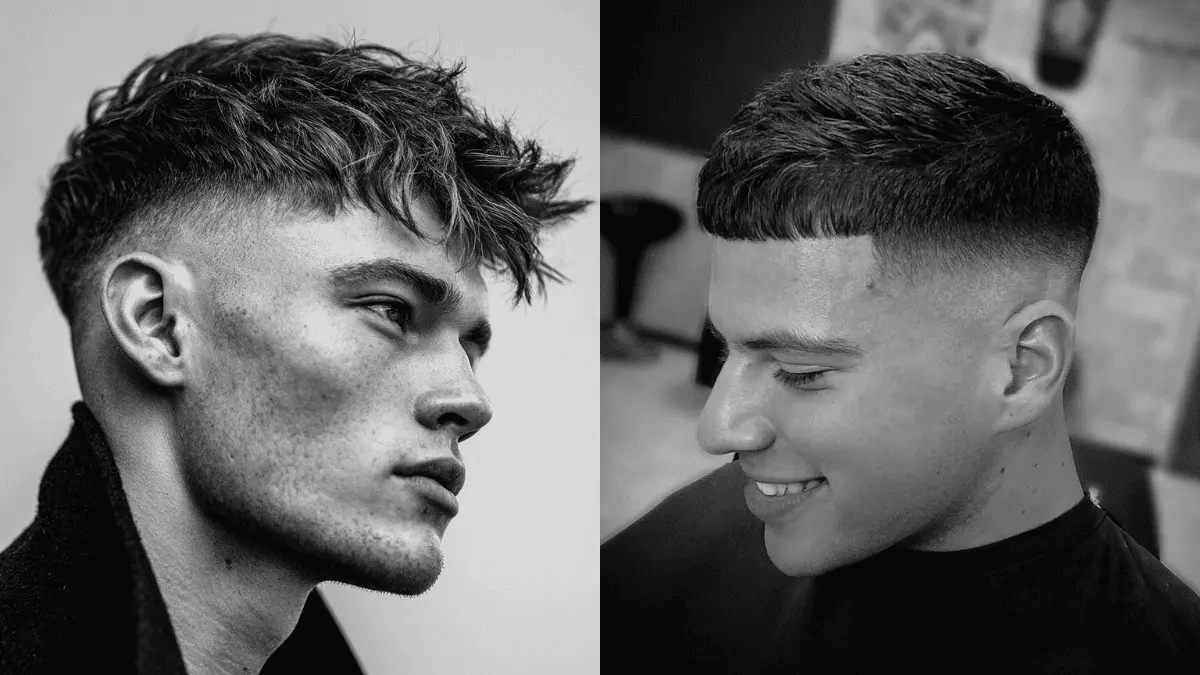
A shaggy Caesar only works if the fringe is broken up.
Leave the front too solid and it looks like a blunt crop with a bit of mess on top. The fringe needs softness, the top needs separation, and the whole thing should feel less rigid than a standard Caesar.
This is best on straight or slightly wavy hair because the front can sit forward without puffing up. If your hair is very thick, the barber needs to lighten the fringe carefully or it will close in on the forehead.
Short 70s Shaggy Hairstyle

A short 70s shag can look great, but it needs restraint.
The aim is not to look like a tribute act. You want choppy layering, some lift through the top, and a little looseness around the sides without turning the cut into costume hair.
Natural bend helps. So does avoiding too much product. Once this style looks too styled, the retro influence starts feeling forced.
Shaggy Faux Hawk

This one is risky.
A shaggy faux hawk keeps more length through the centre, while the sides stay layered instead of shaved tight. That makes it softer than a normal faux hawk and less obvious from a distance.
Fine hair struggles here. The centre needs enough density to hold the shape without looking thin. On thicker hair, this style can have a good rough edge because the layers stop the middle from sitting like one heavy strip.
Medium Shaggy Cuts
Medium length is where shaggy hair usually makes the most sense. There is enough hair to create flow, but not so much that the cut collapses under its own bulk.
Classic Shaggy Cut

The classic shaggy cut is probably the safest version for most men.
It sits around medium length, with layers that loosen the hair without making it look careless. You still get some weight around the sides, but not so much that the hair swallows the face.
This cut lives or dies on the layering. Too random and it looks hacked. Too soft and it becomes an ordinary medium haircut pretending to be a shag.
Layered Shaggy Hairstyle

The layered shaggy hairstyle needs a barber who knows when to stop.
Shorter pieces through the top create lift. Longer pieces keep the cut from looking too cropped. On thick hair, this can work brilliantly because it removes heaviness without taking away the natural body.
Over-layer it and the ends start looking thin. Under-layer it and the whole thing sits too heavy. The best version has separation, but still looks like a full head of hair.
Textured Shaggy Haircut

This one is for men who want the finish rougher.
The textured shaggy haircut should look broken up through the top, with pieces that fall naturally instead of sitting in one block. It works well with matte product, sea salt spray, or natural wave.
Keep shine away from it. Shiny product makes the hair look greasy, not lived-in. A shag needs grip, not gloss.
Medium Shaggy Hair

Medium shaggy hair is the sweet spot if your hair grows thick through the crown and sides.
There is enough length to let the hair move, but not enough to turn it into a long hairstyle. The layers open up the cut and stop the sides sitting too wide.
The only catch is maintenance. Once the layers grow out, this style can go from relaxed to shapeless quickly. A small trim at the right time saves it.
Shaggy Hair With Fringe

A shaggy fringe changes the whole mood of the cut.
It brings more attention to the eyes and can help soften a longer forehead, but it also means hair will sit around your face. If that annoys you, do not choose this version.
The fringe should be loose and slightly uneven. Not a heavy block. Not a straight line. It needs to blend into the rest of the layers so the front looks like part of the haircut, not something added at the end.
Shag Haircut With Bangs

A shag haircut with bangs is similar to the fringe version, but the front carries more weight visually.
This can look strong on straight, wavy, or thicker hair. The bangs give the cut personality, while the layers stop the front from dragging everything down.
The mistake is making the bangs too dense. Once the front gets too solid, the haircut starts to feel heavy. Keep it broken, keep it soft, and let it sit naturally.
Longer Shaggy Cuts
Longer shaggy hairstyles need more commitment. They can look excellent, but they also punish neglect. Long shaggy hair needs shape through the layers. Otherwise it just hangs around the face.
Shoulder Length Shag Cut

Shoulder length only works if the bottom does not sit like a curtain.
The layers need to break up the mid-lengths and ends, while still leaving enough strength through the bottom. Thin ends at this length can look weak fast.
I would recommend this more for men with wavy, thick, or naturally textured hair. Very fine hair can struggle unless the barber keeps the layering controlled and avoids stripping out too much weight.
Long Shaggy Hairstyle

Long shaggy hair needs density.
Without enough hair to carry the length, the style starts looking tired. With the right thickness and layering, though, it can keep some shape instead of collapsing around the face.
This is not a daily styling haircut, but it does need regular trims. Leave the layers too long and the cut starts to drag.
Surfer Shaggy Hairstyle

The surfer shag lives or dies on natural bend.
If the hair already has wave, this style can look easy without much effort. If the hair is dead straight, it usually needs more texture through the ends or it can look forced.
Do not overwork it. A bit of sea salt spray is enough. The second it looks too placed, the whole surfer feel disappears.
Shaggy Bob Cut

The shaggy bob is not for every man, but on the right hair it has presence.
It usually sits around jaw to shoulder length, with broken layers stopping the cut from becoming too blunt. Thicker hair and natural wave help a lot here.
The danger is width. If the sides are left too full, the cut can make the head look broader than it is. This is where careful weight removal matters more than just chopping into the ends.
Skater Shaggy Hairstyle

The skater shag should look a bit reckless.
Not messy for the sake of it, but loose enough that it does not feel too planned. The length usually falls around the face, the ends stay uneven, and the cut looks better when it moves than when it is frozen in place.
This one suits younger men and anyone who likes a rougher haircut. If you want a neat finish, skip it.
Shaggy Cuts With More Edge
These styles are not the safest versions of shaggy hair. They need more confidence, better cutting, and the right face for them.
Shaggy Mullet

A good shaggy mullet has to connect.
The top, sides, and back cannot feel like separate haircuts. The back needs length, but it should still flow from the rest of the shape.
Get it right and it has edge. Get it wrong and it looks like two haircuts fighting each other. The back should never feel like an afterthought.
Rocker Shaggy Hairstyle

The rocker shag needs attitude, but it still needs a cut.
Rough layers, uneven length, and a lived-in finish are all part of it. The danger is going too far. If it is cut too safely, it loses the edge. If it is cut too wildly, it starts looking damaged.
I like this style on men with thicker hair and stronger features. It needs enough presence to carry the roughness.
Shaggy Wolf Cut For Straight Hair

The shaggy wolf cut is not a “just add texture” haircut.
Straight hair can carry it well, but only if the shape is planned. Shorter layers through the top create lift and separation, while the longer back gives the cut its bite.
Too much layering and the top looks choppy in the wrong way. Not enough and it just hangs. Be specific with your barber, because this is not a cut that forgives vague instructions.
Shaggy Pompadour

The shaggy pompadour only works if the front has lift but the rest of the haircut still feels loose.
Lock the whole thing into place and you have basically made a normal pompadour with messier ends.
It suits thicker hair best. Use a matte product, keep the shine away, and do not overwork it.
Shaggy Hair With Undercut

The shaggy undercut can look sharp, but it can also look disconnected fast.
The undercut should support the longer top, not sit underneath it like a separate haircut. If the top is too long and the sides are taken too tight, the balance can feel off.
This style suits men who want length on top but hate bulk around the sides. Just make sure there is enough connection between the two.
Hair-Type And Style-Specific Shags
Some shaggy hairstyles work because they suit a specific hair type, texture, or grooming style. This is where the cut needs to be matched properly.
Curly Shaggy Hairstyle

Curly shaggy hair needs shaping, not flattening.
The layers should remove heaviness so the curls can sit with more direction. The goal is not a round pile of curls with no plan. You want shape, separation, and enough weight left in the right places.
A curly shag needs a barber who understands shrinkage. Cut it too aggressively and it jumps up. Leave too much weight and it collapses.
Wavy Shaggy Hairstyle

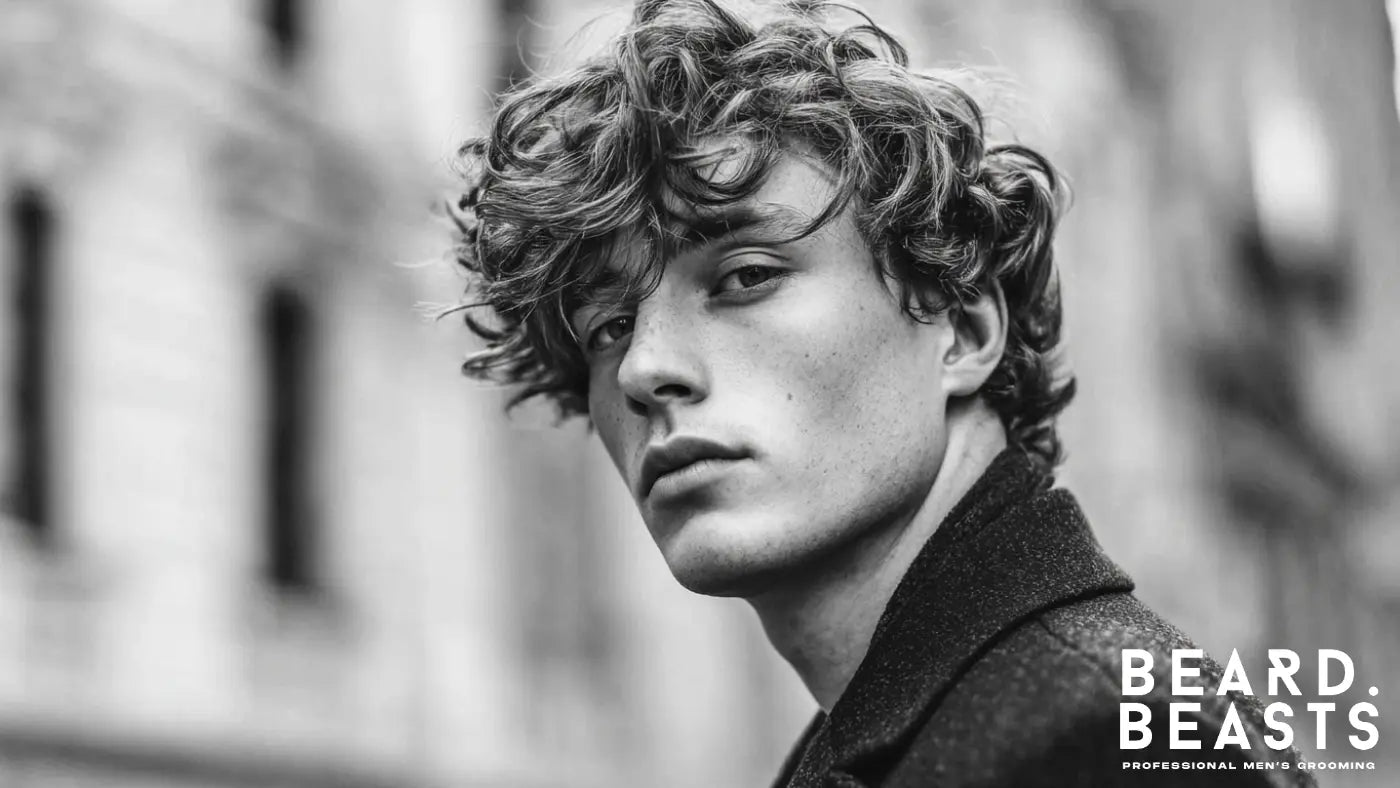
Wavy hair is probably the easiest match for a shag.
The bend is already there, so the cut does not need to force much. It just needs to remove enough bulk to let the waves show properly.
This style works best when the layers follow the natural pattern of the hair. Let it fall naturally and it usually does most of the work for you.
Asian Shag

The Asian shag often works best with soft layering, medium length, and natural fall.
For thicker, straighter hair, the main job is weight control. Without it, the hair can sit too solid around the sides. With the right layering, it gets looseness without looking messy.
Keep the finish lighter through the ends and avoid making the cut too bulky around the ears.
Korean Shaggy Cut

The Korean shag is not meant to look rough in the same way as a rocker shag.
It is softer, more face-framing, and usually built around lighter layers near the fringe, ears, and lower edges. The finish should feel natural, but not wild.
The risk is making it too perfect. Once it looks overly styled, it loses the easy flow that makes the cut work.
Blonde Shaggy Hair
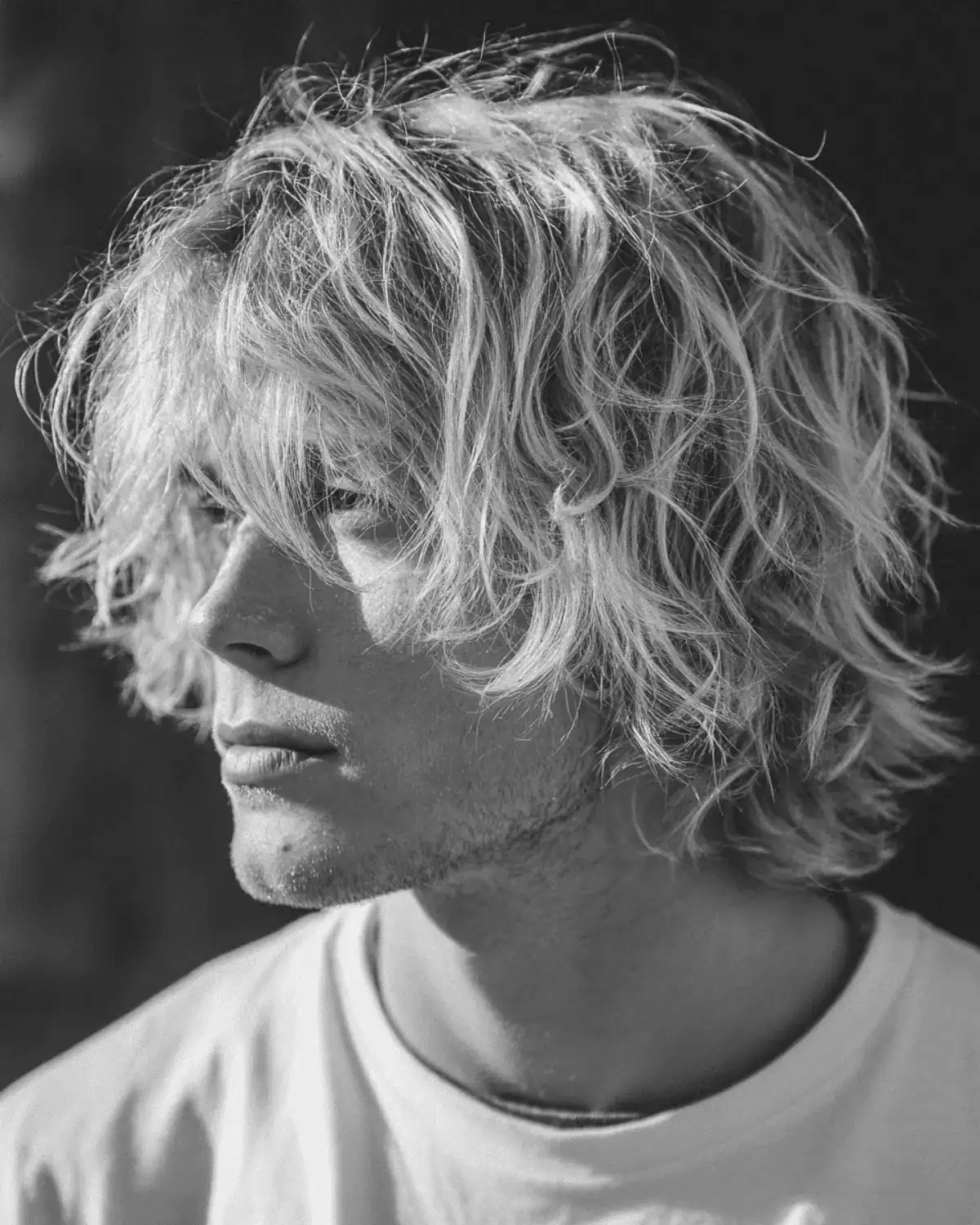
Blonde hair gives the game away fast.
Layering and separation stand out, which is great if the haircut is good and unforgiving if it is not. Heavy ends can look flat. Over-thinned ends can look wispy.
Natural texture helps here. The lighter the hair looks, the more obvious the cut becomes.
Shaggy Hair With Middle Part

A middle part gives shaggy hair a calmer, more balanced feel.
It works well at medium length because the layers can fall evenly on both sides of the face. The result feels less wild than a fringe-heavy shag, but still loose enough to avoid looking too formal.
Avoid this if your hair naturally fights the middle part. Forcing it every morning defeats the point.
Shaggy Hair With Beard

A beard can make shaggy hair look a lot more grounded.
The hair brings flow. The beard brings weight. Together, they can stop the style looking too soft.
But the beard has to be shaped. If the hair is loose and the beard is wild, the whole look can drift into neglected territory. Keep some structure through the beard and let the hair stay loose.
Shaggy Quiff

A shaggy quiff is not just a normal quiff with rougher ends.
The front needs lift, but the rest of the cut has to stay loose. If the whole thing is locked into place, it stops being shaggy.
This works best on thicker hair with some natural bend. Use a matte product, not anything shiny or heavy.
Is A Shaggy Hairstyle Actually Right For You?
A shaggy hairstyle works best if your hair already wants to move.
Wavy hair is the easiest. Thick hair can work brilliantly if the bulk is removed properly. Curly hair can look strong with the right layering. Straight hair can work too, but it usually needs more texture cut into it and a bit more help from product.
Fine hair is trickier. A shorter shag can add life, but a long heavy shag often makes fine hair look weaker. This is where men go wrong. They grow it out thinking length will help, when the extra length actually drags the hair down.
Face shape matters, but not in the robotic way most guides explain it. Oval and square faces usually handle shaggy hair well. Heart-shaped faces can suit it if the fringe and sides are balanced. Round faces need more caution because too much width through the sides can soften the face further.
The bigger question is whether you can live with hair that moves. Shaggy hair is not supposed to sit perfectly still. If you keep trying to force every piece into place, you will fight the haircut every day.
If you like tight barbered lines, a fixed shape, and a cut that looks the same after a quick towel dry, a shag may annoy you. If you want flow, texture, and a bit of looseness, it can work.
The Mistake That Makes Shaggy Hair Look Bad
The biggest mistake is thinking shaggy means uncut.
It does not.
A good shag is cut to look relaxed. A bad shag is just hair that has grown out with no plan.
You see it most when the sides get too wide, the fringe gets too heavy, or the ends start looking tired. The hair stops moving properly and begins to sit in one thick mass. That is when shaggy hair stops looking intentional.
The other mistake is using too much product. Heavy wax, greasy cream, or anything too shiny can kill the texture. Shaggy hair needs grip and separation, not a helmet finish.
If I were judging a shag in the chair, I would look at three things first: does the fringe suit the face, are the sides carrying too much bulk, and does the hair still move when the man turns his head?
If those three things are wrong, the style is not working.
How To Maintain Shaggy Hair Without Killing The Texture
Shaggy hair does not need a complicated routine. It needs restraint.
Daily shampoo is usually the enemy. It strips out the natural oils that help the hair separate and hold some shape. For most men, shampooing once or twice a week is enough. On other days, rinse with water or use a light conditioner if the ends feel dry.
Sea salt spray can help, especially on straight or wavy hair. Apply it to damp hair, focus on the mid-lengths and ends, then scrunch lightly. Do not soak the roots and do not keep touching it while it dries.
A matte cream can work if the hair needs a bit more control. Use less than you think. Shaggy hair falls apart when it is overloaded.
Let it air dry when you can. A diffuser can help with curls or waves, but blasting the hair with heat often makes it puff out in the wrong places.
And get trims before the shape collapses. You do not need to cut loads off. Sometimes a small trim through the fringe, sides, or ends is enough to bring the whole style back.
The goal is simple: let the hair move, but do not let the cut disappear.
Frequently Asked Questions
Is shaggy hair attractive on men?
Yes, when the cut suits the man and the hair has natural movement. Shaggy hair can look confident because it feels relaxed rather than forced. When the shape is wrong, it just looks messy.
Are shaggy hairstyles low maintenance?
They are low effort, not zero effort. You do not need a strict styling routine, but you still need light product, occasional trims, and enough control to stop the shape collapsing.
Can I have a shaggy haircut with fine or thinning hair?
Yes, but choose a shorter or medium shag with controlled layering. Long, heavy shaggy styles can make fine or thinning hair look weaker. With fine hair, less length is often the better move.
How do I stop shaggy hair looking messy?
The cut has to do most of the work. If the layers are right, a small amount of matte product or sea salt spray should be enough. If it still looks shapeless, the issue is probably the haircut, not your styling.
What hair type suits shaggy hairstyles best?
Wavy and thick hair usually suit shaggy styles best because they already have natural bend and body. Curly hair can also work well with the right layering. Straight hair needs more texture cut into it.
How often should I trim shaggy hair?
Most shaggy hairstyles need a trim every six to eight weeks. Longer styles may stretch slightly longer, but once the fringe, sides, or ends lose shape, the cut starts looking heavy.
The Beard Beasts Verdict
Men’s shaggy hairstyles work when the looseness has structure underneath.
That is the part most men miss. The best shags are not random. They are layered, shaped, and cut to move. They look relaxed because the barber has removed weight in the right places, not because the hair was left alone for months.
When a shag suits your hair type and face shape, it can look natural, confident, and full of character. When it does not, it gets heavy, puffy, or flat fast.
If you want tight lines and a fixed shape, skip it. If you want texture, movement, and a cut that looks better with a bit of life in it, shaggy hair is worth considering.
Just do not confuse relaxed with neglected. That is where most bad shags begin.