
“What is beard balm used for?” is a simple question, but the answer matters most when you’re deciding whether you need another product in your routine. Beard balm is mainly there to condition beard hair while adding some light control.
It starts making more sense when the hair itself feels rougher, becomes harder to manage, or refuses to stay roughly where you want it.
I’d judge balm by those problems rather than treating it as a standard step every bearded guy needs. If it has a place in your routine, you should be able to tell what it’s doing for your beard.

In this article
Beard Balm Is Mainly for Conditioning and Control
Many beard balms combine oils and butters with a wax, often beeswax. That mix is what allows one product to soften the beard hair while also giving it some light hold.

The oils and butters help soften coarse or dry-feeling beard hair and make it easier to manage. The wax adds the control, helping stray hairs stay closer to the rest of the beard and stopping the sides from pushing out as much.
That hold is fairly mild.
You should still be able to move your beard naturally after applying balm rather than ending up with the firmer hold you would expect from a beard or mustache wax.
The conditioning matters just as much. A good beard balm should leave the beard feeling softer and easier to manage, not simply hold the hairs in place.
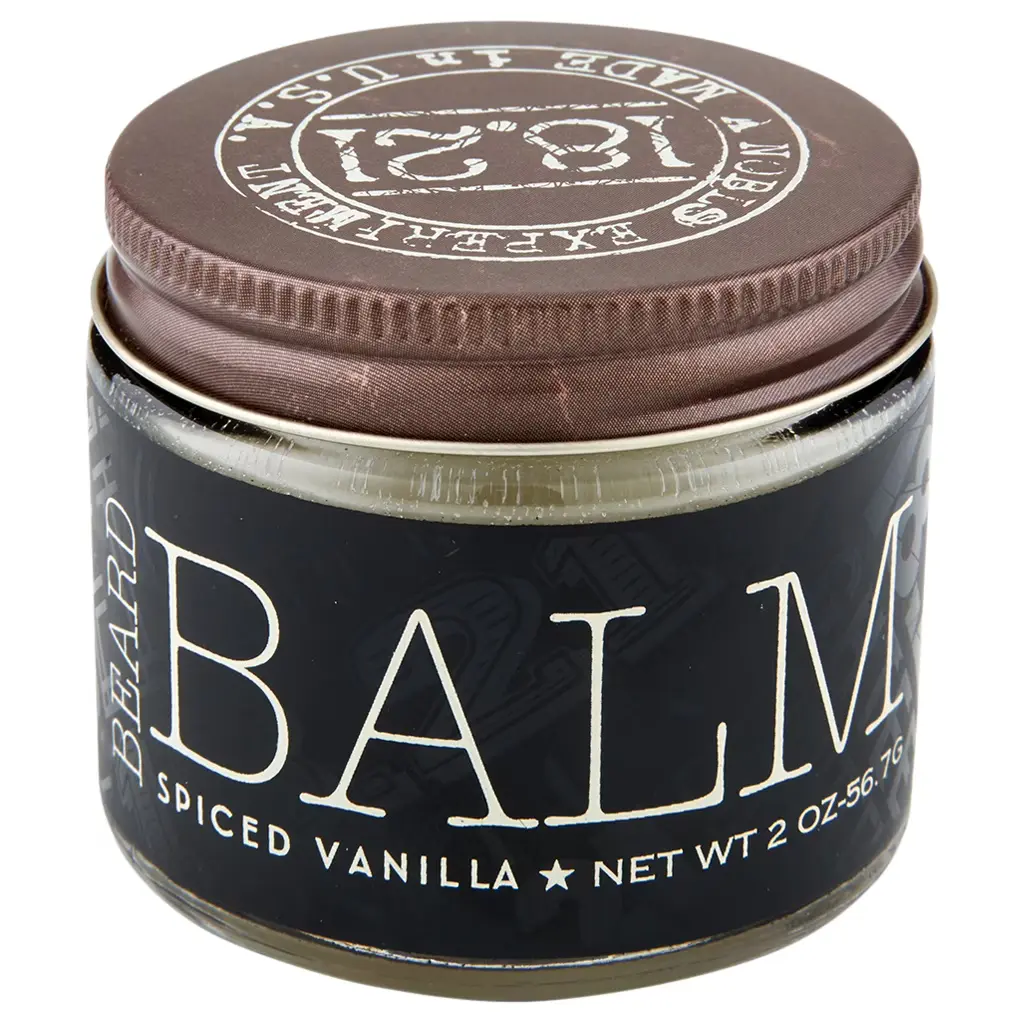
If your beard is coarse, dry or becoming harder to manage, 18.21 Man Made Beard Balm is a good option when you want conditioning with some light control.
I’d Use Balm Once the Beard Starts Getting Harder to Manage
There isn’t a set beard length where balm suddenly becomes necessary. A better sign is how the hair feels and behaves as it grows.

Coarse and curly beard hair is where balm often makes the biggest difference.
As the beard grows, some beard hairs can start sticking out around the cheeks and jaw, while others curl underneath the chin. Balm helps soften those hairs and gives you enough control to keep them closer to the rest of the beard.
Dryness is another sign that balm may be useful. If the beard starts feeling rough or stiff through the lengths, catches when you run your fingers through it, or becomes harder to comb, the hair may need more conditioning.
You might also find that the beard looks good after grooming but gradually starts losing its shape later in the day. Balm can help it stay in place a little longer without giving you the stronger hold of beard wax.
I would judge it by those signs rather than beard length alone. A short, coarse beard may benefit from balm more than a longer beard with softer hair that already behaves well. If your beard feels good, combs easily, and stays where you want it, there is no real reason to add balm just because it has reached a certain length.
Where Beard Balm Does More Than Beard Oil
Beard oil and beard balm can both help condition your beard, but they do different jobs. Beard oil is easier to work down to the skin underneath, so that is where I find it most useful. Balm puts more focus on the beard hair itself and gives you some light hold that oil does not.

Balm is more useful when the beard hair itself needs extra help. The oils and butters can soften coarse or dry-feeling hair, while the wax gives you some light control that beard oil does not.
That matters when the skin underneath feels fine, but the beard still looks puffy, curls out around the jaw, or starts losing its shape after grooming. Adding more oil is unlikely to fix that. Balm conditions the hair while helping it stay closer to where you want it.
You also do not have to choose between oil and balm.
If the skin underneath tends to feel dry but the beard hair is also coarse or difficult to manage, using oil for the skin and a small amount of balm through the beard can make sense. If the skin is the main problem and the beard hair already feels and behaves fine, I would stick with oil rather than adding balm as well.
What Beard Balm Won’t Fix
Beard balm can make rough beard hair feel softer and easier to manage, but it has limits. I would be wary of any balm being sold as a fix for beard growth, patchy areas, or damaged hair.
It is not going to make your beard grow faster or create new hair where very little is growing. Balm works on the beard you already have. If patchiness is the main reason you are looking at beard balm, it is the wrong type of product for that problem.
It also cannot repair split beard ends. Balm may make those hairs feel softer for a while, but it does not repair the hair itself. Once the ends are badly damaged, trimming them is usually the better option.
The same applies to your beard’s natural texture and growth direction. Balm can help curly or stubborn hairs lie better and make them easier to control, but it will not straighten the facial hair or change the direction the hair naturally grows.
I would also look at your routine if the beard keeps feeling dry no matter how much balm you use. Harsh washing, too much heat, or other habits that repeatedly dry out the hair need fixing first. Balm can help condition the beard afterward, but it cannot make up for a routine that keeps causing the same problem.
How I’d Apply Beard Balm Without Making the Beard Heavy
The easiest way to make beard balm feel heavy is to use too much. I always start with a small amount and add more only if the beard needs it. That is especially important with a balm you have not used before because some formulas are much richer than others.

Rub the balm between your palms until it softens and spreads evenly across your hands. You do not want small pieces of wax or butter going straight into the beard.
I like to start underneath the beard and work the balm through the hair rather than simply rubbing it over the outside. Once it is spread through the lengths, bring the beard back down in its normal direction.
Then use your fingers, a beard comb, or a beard brush to get everything back into shape. If one area still feels rough or a few hairs will not settle, add a little more balm to that area rather than putting another large amount through the whole beard.
I prefer applying balm after washing, once the beard is dry or only slightly damp. If the hair is still very wet, it can be harder to tell how much product you are actually putting into it.
You do not need to use beard balm every day either. Use it when your beard needs the extra conditioning or control rather than applying it simply because it is part of your routine.
If your beard keeps ending up greasy or weighed down, use less before blaming the balm itself. If even a small amount still feels too heavy, a lighter formula may suit your beard better.
18.21 Man Made Beard Balm is the one I’d look at if you want richer conditioning with enough light control to help keep a coarse or unruly beard easier to manage.
Who Beard Balm Is Worth It For
Beard balm makes the most sense when your beard hair needs both conditioning and some help staying under control. Coarse, curly, wiry, or dry-feeling beard hair is where I think it has the most value, especially once the beard starts feeling rougher, sticking out more, or becoming harder to manage.
The main thing I would look at is whether balm is solving a problem that another product is not. If beard oil keeps the skin underneath comfortable but the beard hair itself still feels rough, starts looking unruly, or loses its shape too easily, balm can add something useful rather than just becoming another product in the routine.
On the other hand, not every beard needs that extra weight or hold. Very short, fine, sparse, or easily weighed-down beard hair may feel better with something lighter. If you mainly want conditioning and would prefer very little hold, beard butter may make more sense. If you need much stronger control, I would move toward beard wax instead.
So, what is beard balm used for? I see it as a way to soften and condition beard hair while giving you enough light control to make the beard easier to manage.
If your beard feels rough, unruly, or harder to control than oil alone can handle, balm is worth adding. If your beard already feels good, stays where you want it, and does not need much extra conditioning, there is no real reason to use balm just because it is a common part of a beard routine.