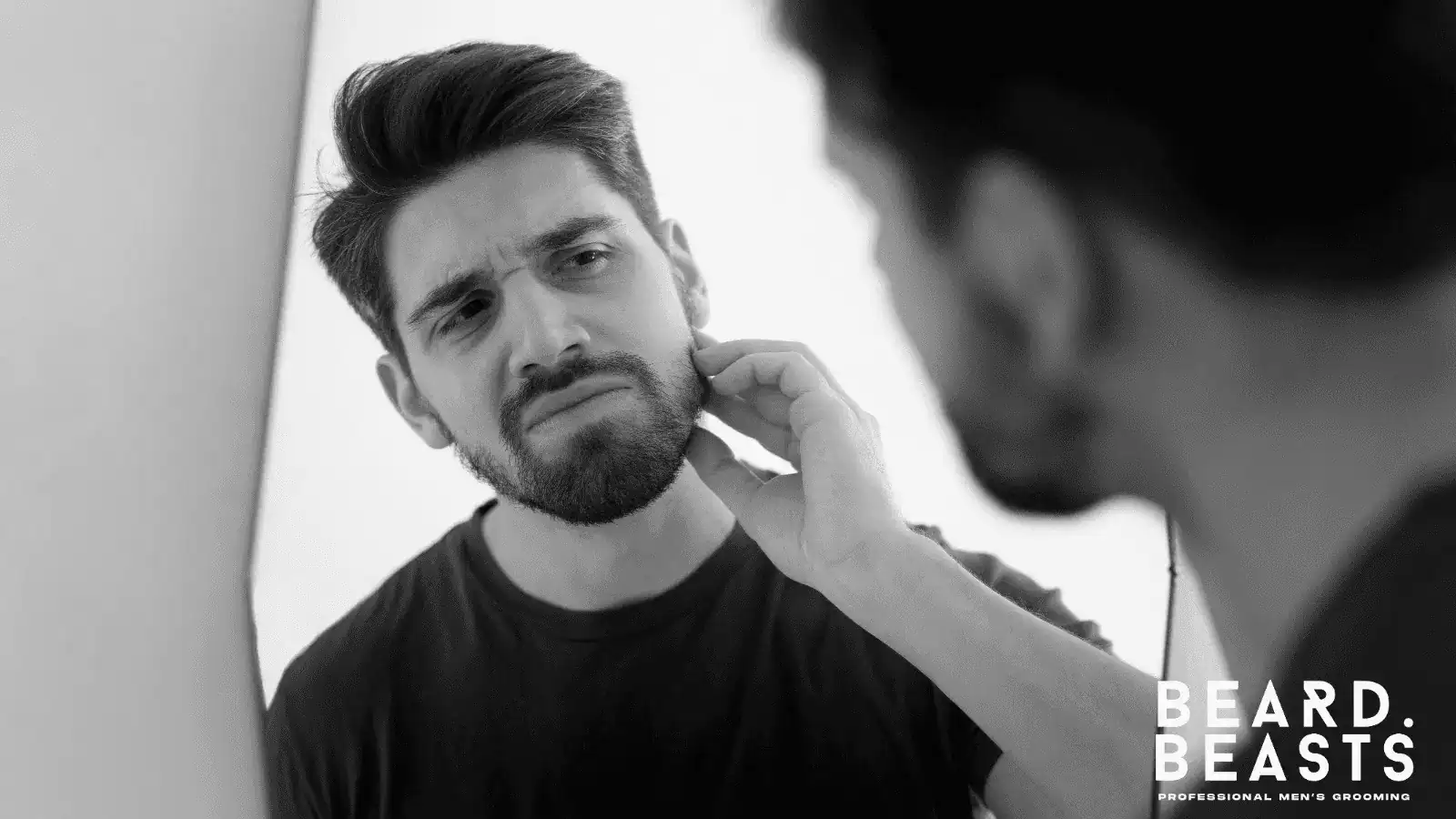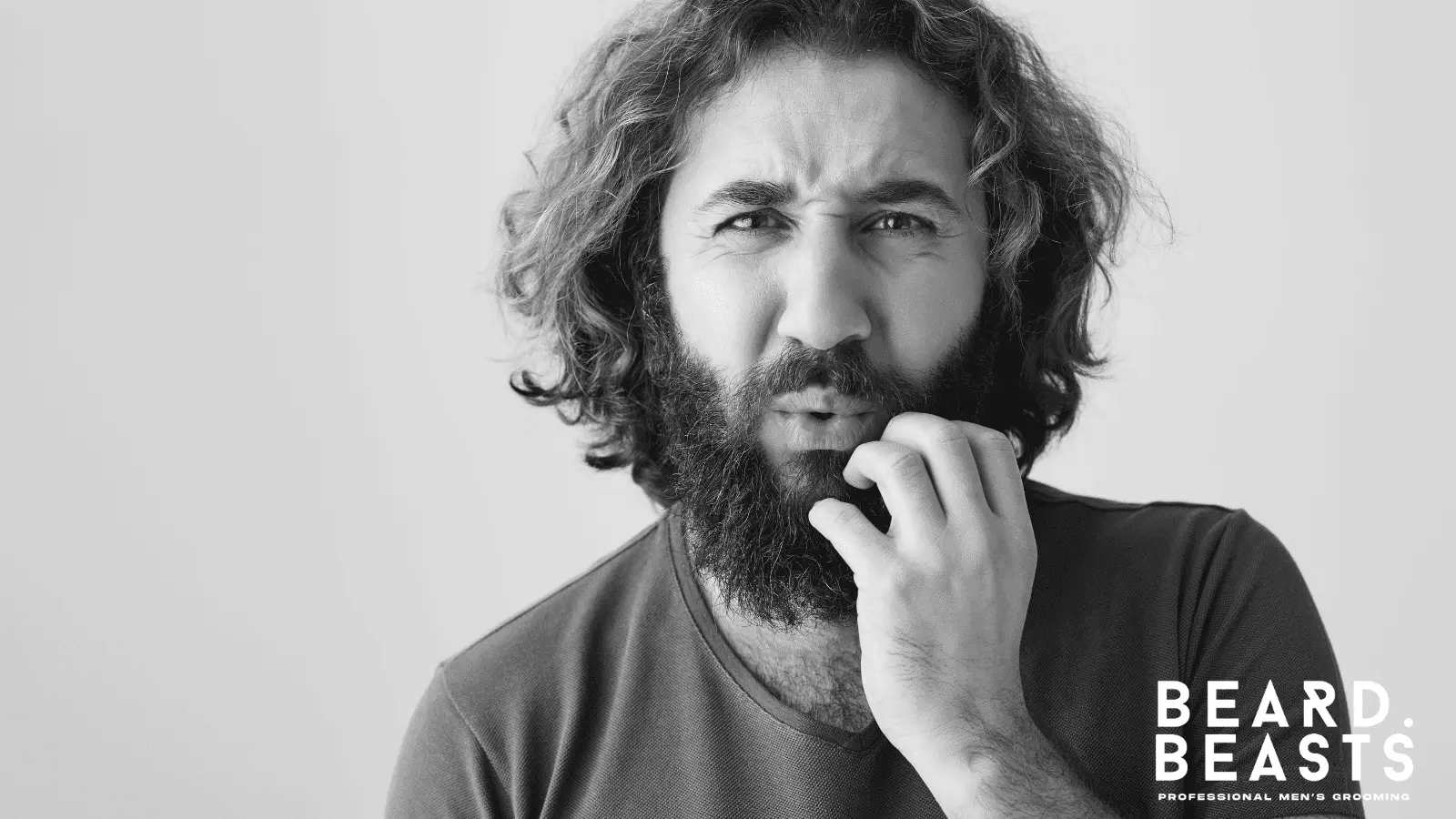
A little itch when you first grow a beard is normal. Short new hairs rub against the skin, and your face does not love the adjustment. But beard itch that keeps coming back, flares daily, or never fully settles is something else.
At that point, I would stop treating it like a patience problem and start treating it like what it usually is: a skin problem under the beard. Dryness, buildup, friction, and irritation are what keep the itch alive.
Fix those properly, and the beard starts feeling right again.
The 5 Reasons Beard Itch Keeps Coming Back
Beard itch is rarely random. When it sticks around, there is usually a reason for it.

1. The new beard stage
This is where a lot of itch starts.
Fresh beard hairs have blunt, stiff tips that press straight into facial skin. They do not bend well yet, they do not lie flat, and every movement creates friction. That is why early beard growth often feels scratchy and irritating.
The problem is that men often leave it there and assume all beard itch is the same. It is not. New-beard itch is common and temporary. But if you do nothing to support the skin, it can drag on longer than it should.
2. Dry skin under the beard
This is one of the biggest causes, and one of the most ignored.
When the skin under the beard dries out, it tightens, sheds faster, and starts itching. That is usually when flakes show up too. Cold weather, hot water, harsh cleansers, and poor moisture support all make this worse.
If there is visible beard dandruff or that dry, tight feeling under the beard, I would look at skin dehydration before anything else.
3. Product residue and bad washing habits
A lot of men either strip the beard too hard or do not clean it properly in the first place.
Regular shampoo and bar soap are common mistakes. They are usually too aggressive for facial skin and remove more oil than the beard area can comfortably lose.
On the other side, poor rinsing, heavy products, and buildup left sitting at the base of the beard can keep the skin irritated even if the beard looks fine on the surface.
If the beard feels worse after washing, that tells you something. The problem is often not dirt. It is either what got stripped away or what got left behind.
4. Ingrown hairs
Ingrown beard hairs do not itch the same way dry skin does.
They tend to feel sharper, deeper, and more localised. Usually the irritation sits in one area rather than across the whole beard. This happens when hairs curl back into the skin instead of growing out properly, especially in coarse or curly beards or areas trimmed too tightly.
If one section of the beard always seems more irritated than the rest, I would strongly suspect ingrowns.
5. An underlying skin condition
Sometimes the issue is not your beard routine. It is the skin itself.
Seborrheic dermatitis, contact dermatitis, and other inflammatory skin problems can all create serious itch beneath the beard. These usually bring more than mild discomfort. Redness, stronger flaking, sensitivity, or irritation that does not respond to sensible grooming are the usual clues.
If the beard stays itchy no matter what you fix, or the irritation looks aggressive, I would stop treating it like a normal grooming problem.
The Mistake Most Men Make When Trying to Fix It
Most men respond to beard itch the wrong way.
They wash more. Scrub harder. Use stronger cleansers. Add products without understanding whether the skin is dry, inflamed, clogged, or just reacting to friction.
That keeps the problem alive.
I think this is the part most men miss: beard itch usually gets worse when the routine turns aggressive. More effort does not always mean a better fix. In a lot of cases, it means more stripping, more irritation, and more confusion.
If the skin barrier is already struggling, the answer is not to hit it harder. The answer is to calm it down and support it properly.
How I Would Fix Beard Itch Step by Step
Beard itch does not disappear by luck. It settles when the skin underneath stops getting pushed in the wrong direction.

Step 1: Cleanse properly
This is the first thing I would fix.
Use a beard wash made for facial hair and skin, not a harsh shampoo or ordinary soap. It should clean away sweat, grime, and excess product without stripping the area raw.
For most men, two to three proper washes a week is enough. If you sweat heavily or work in dusty conditions, you may need more, but daily aggressive washing is usually part of the problem, not the solution.
Step 2: Restore moisture at the skin level
Beard itch starts at the skin, so that is where I would focus.
Apply beard oil when the beard is slightly damp and work it into the skin with your fingertips. Do not just run it through the beard hair and assume that is enough.
If the oil is not reaching the skin, it is missing the main target.
Once moisture levels come back up, tightness starts easing off. The skin feels calmer. The beard feels softer too, but that is a bonus. The real win is underneath.
Step 3: Reduce friction through the beard itself
Hydration needs backup.
Beard hair rubs against collars, clothing, and itself all day. If the hair stays coarse and dry, that friction keeps feeding irritation. A beard balm or beard conditioner can help smooth the hair shaft and keep the beard sitting better throughout the day.
This is not about making the beard look styled for the sake of it. It is about making it feel less abrasive.
Step 4: Brush and comb with some control
A decent beard brush or comb helps more than people think, but only if you use it properly.
Gentle brushing helps spread oil more evenly, lift dead skin, and guide hairs outward instead of back into the skin. That can help with both dryness and ingrown-prone areas. The key word is gentle. Heavy-handed brushing just swaps one irritation source for another.
Step 5: Watch how the skin responds
This is the part I would not skip.
If the itch starts easing off, the routine is moving in the right direction. If it stays aggressive, keeps spreading, or comes with real redness and heavy flakes, then I would stop treating it like a standard dryness issue.
Product Ingredients That Actually Help
When beard itch keeps hanging around, ingredients matter more than branding.

Carrier oils that actually support the skin
Some oils help. Some just sit there.
Jojoba oil is one of the best because it behaves a lot like natural sebum and usually works well on irritated, dry skin. Argan oil is also a strong option if the beard feels rough and inflexible. Sweet almond and grapeseed oil can work well too if you want something lighter.
The main thing I care about here is whether the skin feels calmer and less tight after use. That is the real test.
Soothing ingredients worth paying attention to
If the skin feels reactive, ingredients like aloe vera, vitamin E, and panthenol are usually worth having in the mix. They help support moisture retention and calm the skin instead of just coating the beard.
That matters more than flashy marketing language.
What helps when flakes are part of the problem
If itch comes with flakes, I would first work out what kind of flakes you are dealing with.
Dry, light flaking usually needs more moisture support and a gentler routine. Heavier, recurring flaking with redness often needs a different approach because simple oiling is not going to fix inflamed skin by itself.
That is why just adding more product is often the wrong move.
What I Would Avoid if Your Beard Keeps Itching
This is just as important as what to use.
I would avoid harsh cleansers, strong fragrance-heavy products, and anything that leaves the skin feeling tight, warm, or stripped after use. I would also avoid overwashing, overbrushing, and trimming problem areas too aggressively if ingrowns are part of the issue.
And I would be careful with the usual panic response of buying three new products at once.
If the beard is already irritated, the goal is not to overwhelm the skin. It is to simplify things enough that you can see what is helping and what is making it worse.
Beard Itch: Common Questions Answered
If the beard still feels irritating even with a decent routine, these are usually the questions worth asking.
Why is my beard still itchy after months of growth?
Because the issue usually is not the beard length by that stage. It is the skin underneath. If the skin stays dry, irritated, or clogged, the itch carries on no matter how long the beard gets.
Does beard oil actually help with beard itch?
Yes, if it reaches the skin. That is where beard itch usually starts. If you are only smoothing oil across the beard hair, you are missing the part that needs it most.
Can washing your beard too often cause itchiness?
Absolutely. Overwashing strips the natural oils that help protect the skin, and once that barrier gets weakened, irritation becomes much more likely.
Is beard itch a sign of a skin condition?
Sometimes. If the itch comes with redness, stronger flaking, or irritation that does not improve with sensible grooming changes, I would start thinking beyond routine beard care.
How long does beard itch usually last?
New-beard itch usually settles within a few weeks as the hair softens and the skin adjusts. If it keeps going after that, something in the routine, product lineup, or skin condition needs attention.
The Beard Beasts Verdict
Beard itch is not something I would tell a man to just put up with.
A little early scratchiness is normal. Persistent beard itch is not. If it keeps hanging around, the skin underneath is usually dry, irritated, clogged, or reacting to something in the routine.
That is the real issue.
When hydration comes back, friction is reduced, and the skin barrier stops getting punished, the whole beard changes. It feels softer, sits better, and stops demanding attention for the wrong reasons.
So my take is simple.
Do not just wait it out. Fix the routine. Support the skin properly. And if the itch still refuses to settle, stop guessing and treat it like a skin problem, not just a beard problem.