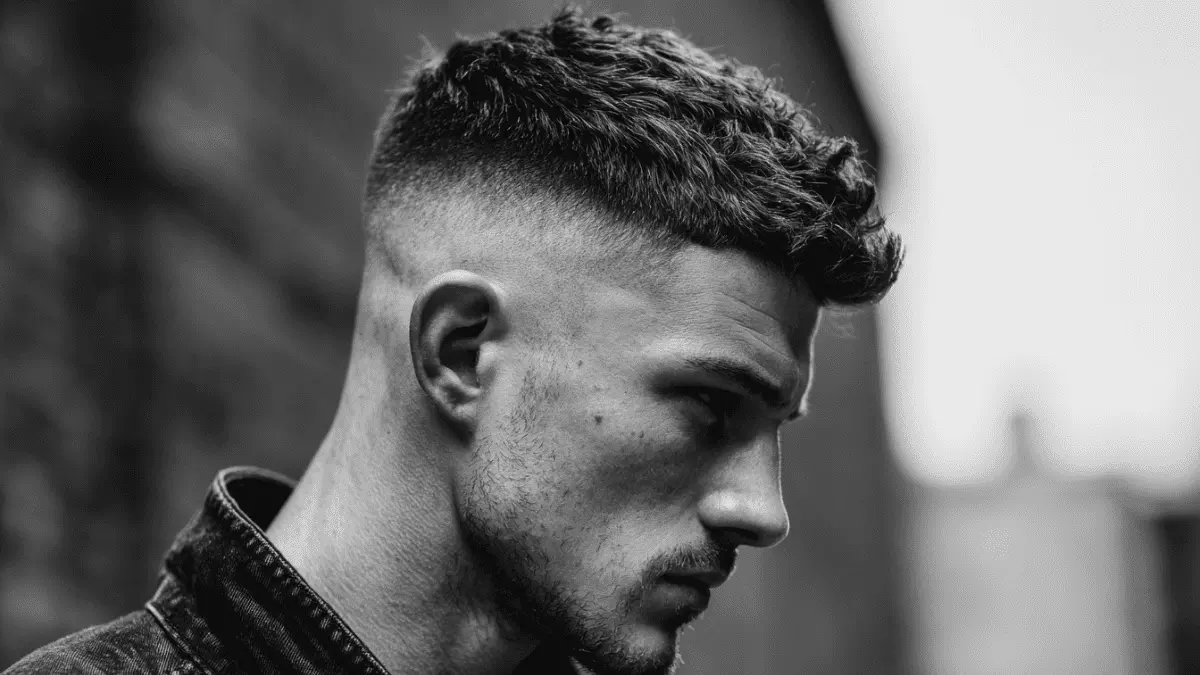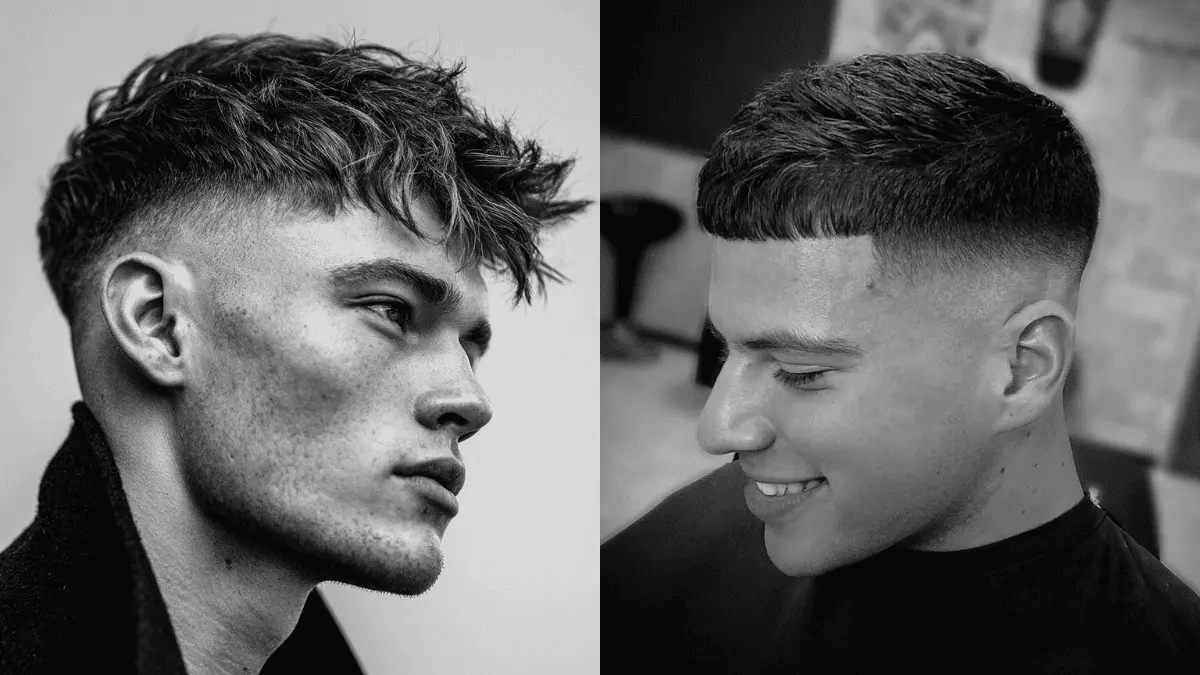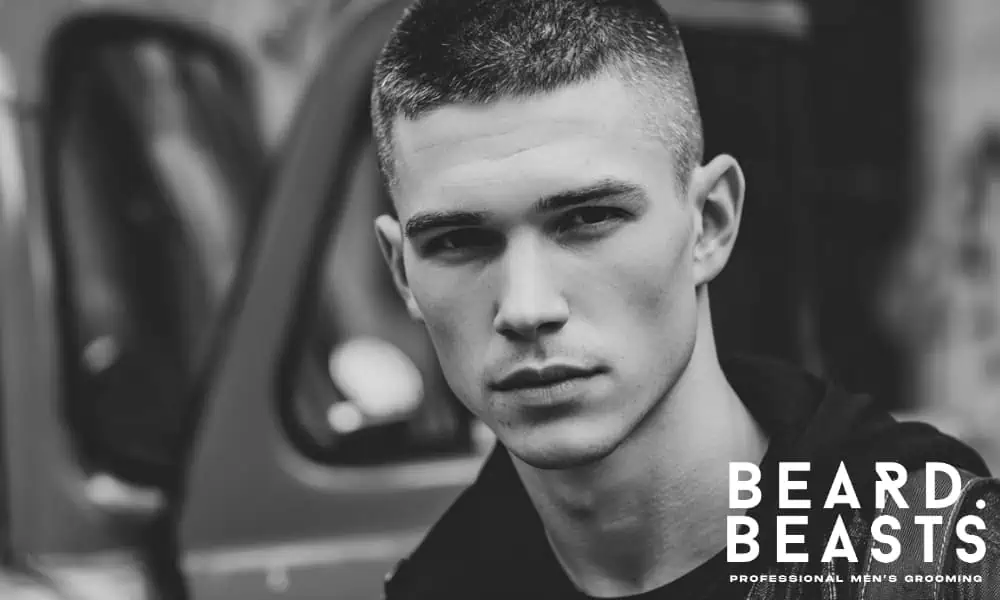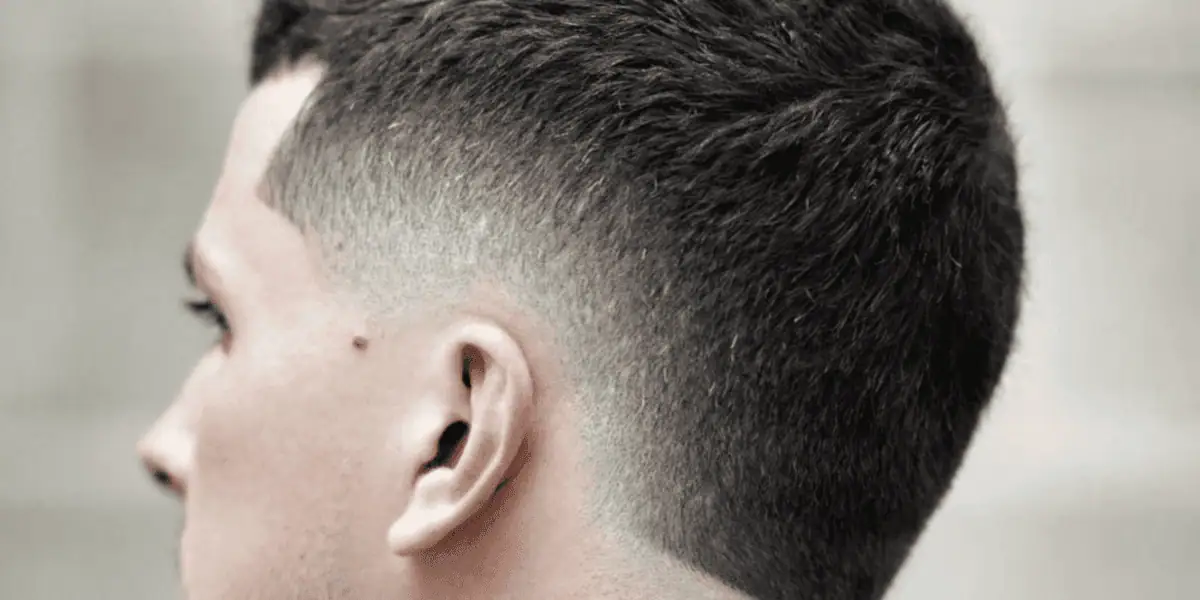
Burst fade haircuts work because they pull weight out from around the ear without flattening the rest of the cut.
That curved fade is the whole point. It tightens the side, changes how the haircut reads in profile, and still leaves enough hair above it for texture, curls, volume or length.
The curve is also where most bad burst fades fall apart. Take it too high and the side looks hollow. Stretch it too far back and it stops reading as a burst fade at all. Leave the area above it too heavy and the haircut swells in the wrong place.
So not every variation is worth chasing. Some suit nearly everyone, some need the right hair type, and some only land when the barber knows exactly where to put the curve.
The Burst Fade Haircuts I Actually Rate
There are a lot of burst fade variations online, but not all of them deserve the same attention. The good ones suit your hair and still look right after a week or two. The bad ones look great in a photo, then awkward after a few days.
Low Burst Fade

The low burst fade is the safest place to start. The fade stays close around the ear instead of climbing high up the side, which keeps the haircut balanced while still giving you that curved burst effect.
It is the version I would point most men towards first if they want a burst fade without going too loud. It tidies the side, adds direction, and grows out better than the higher versions. It is also the one to pick if you are unsure, since you get the idea of the cut without committing to heavy contrast straight away.
Mid Burst Fade

The mid burst fade is probably the best all-rounder. It gives more contrast than the low version without hitting as hard as a high or skin burst. The curve is easier to see, the side feels tighter, and there is still enough support left above the fade.
When the placement is right, this is the one that suits the most men. It has enough edge to feel different without taking over the top. If someone sits down and asks for a burst fade with no idea which one, this is usually where the conversation starts.
Side Burst Taper Fade

The side burst taper fade is the softer route. It concentrates around the sideburn and ear rather than turning the whole side into a full fade, so you still get that curved tightening but with far less aggression.
It is a good shout for men who want the sides controlled without making the fade the headline. It pairs nicely with short crops, textured tops, and any cut that just needs a bit more order around the ears. It is not the loudest burst fade, and that is exactly why it works.
Low Taper Burst Fade

The low taper burst fade is quiet, but it does the job most men actually need. It controls the hair around the sideburn and ear without stripping the side too far, so the cut looks sharper without growing out as harshly as a skin fade.
Choose it if your hair gets thick around the ears but you do not want a dramatic finish. It gives the barber room to tighten the area without making the haircut feel forced. This is the version for men who want control, not attention.
Mid Taper Burst Fade

The mid taper burst fade sits between subtle and punchy. You get more contrast than the low taper, but not the full bite of a mid burst, so it sharpens the cut while keeping the grow-out easy.
It works well when the top has some length but you do not want the sides taken bare, which makes it a fit for textured hair, wavy hair and short crops that need control around the side. It is neither the safest nor the boldest choice, and when the placement is right, that middle ground is the entire point.
Bald Burst Fade

The bald burst fade is where the haircut stops being forgiving. Once the fade drops to skin, every transition counts. A jumpy blend shows. A curve pushed too high looks carved out. There is no softness left to cover lazy clipper work.
It only really earns its place when the top has the density to balance the skin. Thin, flat or weak hair above the fade and the bald burst just reads harsher than it needs to. Done by a barber who understands restraint, it can be excellent, but the gap between strong and strange is narrow.
Skin Burst Fade

A skin burst fade lives or dies on the transition. The move from bare skin into hair has to stay smooth right through the curve. Blend it too suddenly and the fade looks unfinished. Drag it too far behind the ear and it stops being a burst fade.
It can be a very strong look on thick hair, curls or a textured top, where the skin gives contrast and the top gives the cut something to hold onto. Just be honest about upkeep, because skin fades lose that fresh finish fast, especially around the ear.
High Burst Fade

The high burst fade is not for every head. It strips more off the side and pulls the eye upward quickly, which works on thick hair with a strong top but can leave the sides looking hollow on the wrong head shape.
This is where I see barbers overdo it, chasing impact, taking the curve too high, and losing support through the side. A high burst needs the top to carry itself, so if the top is thin, flat or short, bring the fade down.
Short Hair Burst Fade

Short hair gives the fade nowhere to hide. With less length on top, the curved blend is far more obvious, so the clipper work has to be accurate and the area above the fade judged properly.
It suits men who want short hair with more side control but little daily styling, and it works with crops, short textured tops and simple short cuts that need more interest than a plain fade. The trap is going tight everywhere: short on top with the fade pushed high, and the sides start to look thin.
For a deeper breakdown of this specific version, see my full guide to short hair burst fade styles.
Burst Fade Buzz Cut

The burst fade buzz cut keeps things simple without leaving the haircut flat. The buzz hands you the low-effort routine; the burst adds direction through the sides. Without it the cut can feel plain, and with it you get structure without any extra styling.
It is at its best when the head shape suits short hair and the fade stays sensible, so a low or mid burst beats an aggressive skin version here. Restraint is the whole game: the buzz is already short, and the fade does not need to shout.
Burst Fade with Straight Hair

Straight hair shows everything, which is both the upside and the problem. Place the burst well and blend it accurately and the cut looks crisp. Leave a bad line, a dark patch or a poor transition, and straight hair puts it on display.
The top usually wants some texture or direction, or it can feel stiff, especially with tightly faded sides and a top that just lies there. Go easy on a high burst with very straight, fine hair, since it can make the top look weaker than it really is.
Burst Fade with Curly Hair

Curly hair is one of the best reasons to get a burst fade. Curls naturally build width through the sides, and the burst clears weight exactly where it tends to cause trouble, leaving the top with its curl and volume while the sides feel tighter.
The mistake is cutting the top too short, because kill the curl pattern and you lose the best part of the cut. Leave enough length for the curls to do something. The fade should frame the curls, not turn the whole thing into a tight fade with a weak top.
Burst Fade with Wavy Hair

Wavy hair gives a burst fade plenty to work with. The fade controls the side while the wave keeps the top from looking stiff, so you get a more shaped cut without forcing the hair into anything.
It is one of the easier burst pairings to get right, since the natural bend gives the top life and the fade stops the sides spreading. It is at its best with a textured top rather than a heavily styled one. Let the wave earn its place.
Burst Fade Afro

A burst fade can look superb on Black men with Afro-textured hair when the barber understands proportion. The fade removes weight near the ear while the top keeps its height, fullness and natural texture, and that balance is what makes it work.
Push the fade too far and the top can look disconnected. Leave too much through the sides and the cut loses its structure. This is not one to rush. The curve, the side and the top all have to speak the same language.
Burst Fade Blonde Hair

Blonde hair changes how the fade reads. Because the hair is lighter, the blend can look softer from a distance, but bad clipper work still shows. It just shows differently.
Texture on top tends to help, since it stops the cut looking too light or flat, and a matte finish beats anything shiny. Precision matters here, because blonde fades can look great and then lose their contrast quickly.
Long Hair Burst Fade

Long hair with a burst fade can look strong, but it is no lazy haircut. The fade clears weight from the side while the top keeps its presence, and that contrast is the appeal. Let the top get too heavy with the fade too tight, though, and the cut feels disconnected.
Longer hair also wants effort. If it collapses around the sides, it undoes the whole point of the fade. Only go here if you are prepared to maintain the length as well as the fade.
Textured Burst Fade

The textured burst fade is one of the better modern versions. The top brings grit and separation, the fade keeps the sides tight, and together they tend to work well on thick, wavy or slightly coarse hair.
It works because the fade does not have to do all the lifting. The top gives the cut its interest while the burst keeps the sides from going wide. If your hair has the density for it, this is one of the few burst fades I would confidently recommend.
Burst Fade with Messy Hair

Messy hair pairs well with a burst fade because the fade hands the cut some discipline. The top stays loose, the sides stay tight, and it reads relaxed without tipping into sloppy.
The catch is assuming messy means untouched. It does not. The top still needs a proper cut underneath, or it just looks overgrown. Keep the styling light, too, since a messy burst fade looks better natural than frozen in place.
Burst Fade Faux Hawk

The burst fade faux hawk has more attitude than most versions. The fade tightens the sides while the centre holds height and texture, pulling the eye inward and giving the cut some aggression.
It works best when the top has grit rather than stiffness. Too neat and it loses the reason you got it; too spiked and it starts looking dated. It is a good fit for thick or wavy hair, while on very fine hair it can look like the cut is trying too hard.
Burst Fade French Crop

The French crop gives the front control, and the burst fade stops the sides looking heavy, which is why this pairing works better than men expect. It is handy when the fringe is doing a bit of work for the hairline, and it asks for less styling than a quiff or a blowout.
The front still needs enough density, though. A weak crop fringe and the haircut loses its point. It is a solid choice for anyone who wants a stronger fade without building the whole cut around height.
Burst Fade Blowout

The blowout version is all about volume. The burst fade clears the sides so the top can expand without making the head look too wide, and on thick hair that can work really well.
It is not low effort, though. If you will not use heat, product or at least some daily shaping, skip it, because without control the top swells in the wrong places and the fade ends up feeling pointless.
Burst Fade with Quiff

A burst fade with a quiff only works if the front holds up. The fade tightens the side so the height at the front has room to breathe, but the top has to be styled properly, and a collapsing quiff loses the whole point fast.
Do not expect a wash-and-go from this one. It needs styling, even with a matte, natural finish. It suits thicker hair better, since fine hair can struggle to carry the front without piling on product.
Burst Fade Slick Back

A slick back with a burst fade can work, but it is easy to overdo. The fade tightens the sides while the slicked top gives direction. Product is the danger: too much shine and it dates, too much length and the top gets heavy.
Keep the finish controlled. A little hold is fine, greasy is not. I would keep the burst low or mid here, because a high skin burst under a shiny slick back can feel forced.
Burst Fade Comb Over

The burst fade comb over is for direction, not disguise. It looks sharp when the top still has the density to sit naturally, but if the hair is thinning too far, the comb over starts looking forced very quickly.
Use it to guide the hair rather than to pretend the hairline is stronger than it is. A softer burst flatters this more than a harsh skin version. The cut needs balance, not panic.
Burst Fade Fringe

A burst fade fringe needs a strong front section. The fringeadds weight at the front while the fade stops the sides getting too bulky, which is what makes the cut work.
A thin, weak or flat fringe and it loses its reason. This works best when the front has the density to sit forward without going stringy, and if the front cannot carry it, a textured crop is the better call.
Burst Fade with Highlights

Highlights can work with a burst fade, but they need restraint. Follow the movement of the top and the lighter pieces add depth; let them compete with the fade and the cut gets busy fast.
The fade already gives the eye plenty to do, so there is no need to throw every detail at it. Keep it subtle, especially on shorter tops.
Burst Fade V Cut

The V cut is a short-term detail. It can sharpen the back when everything is fresh, but it is not essential, and a few days of growth softens the point and takes away most of the effect.
If you are not staying on top of trims, skip it. A burst fade already has a strong curve around the ear, so the V cut only earns its place when the rest of the haircut is controlled.
Burst Fade Double V

The double V is a lot. It turns the back of the haircut into a focal point, which means the symmetry has to be spot on, because one side slightly off makes the whole thing look wrong.
It is only worth it if you genuinely want that level of detail and you will maintain it. Otherwise it starts fighting the haircut, and most men are better off with a better fade and no extra lines.
Burst Fade with Design

Designs grab attention fast, which is the appeal and the problem. They look great for a few days, then soften and start looking messy.
If you like detail and you will keep it touched up, fine. But do not add a design just because the photo looks good. The burst fade is usually enough on its own, and once the design steals the whole show, the haircut tends to get worse.
Burst Fade with Full Beard

A burst fade with a full beard has real presence when the transition is handled well. The fade has to move into the beard without looking like two separate styles, and with a shaped beard and a fresh cut, this combination can land brilliantly.
A neglected beard drags it all down fast, though. The haircut can be perfect, but a rough beard still wins the attention. This one is at its best when the beard is maintained and the sideburn area is blended properly.
Burst Fade with Short Beard

The short beard version is usually the better choice. It gives the lower face enough weight without overpowering the fade, and it keeps the whole look tighter and easier to maintain.
Most of the time I would take this over a burst fade with an overgrown beard. It keeps the fade sharper, keeps the beard under control, and avoids that over-styled barber-photo look.
The connection is the key: if the fade and beard do not meet properly, the cut feels unfinished.
Burst Fade Mullet

The burst fade mullet needs its own section because it is one of the versions men ask for most. This is not a haircut for half-commitment. The burst tightens the sides, but the back still has to look like a choice, not hair you forgot to cut.
When it works, it has real character; when it does not, it just looks unfinished. The back has to feel like a choice, not something you forgot to cut, and the top, sides and back all need to connect, or the haircut turns into three ideas fighting each other.
The Burst Fades I Would Think Twice About
Some burst fades look better in the photo than they do in real life.
Heavy design work is one. Impressive fresh, but the lines blur fast, and after that it reads as leftover detail rather than part of the cut. Double V cuts fall into the same trap, since they need symmetry, upkeep and a man who actually wants the back of his head to be a feature. Without that, they are just noise.
High skin burst fades are another to be wary of. The higher the fade climbs, the less room there is for error, and pushed into the ridge the sides can look hollow, especially if the top is not thick enough to balance things.
Then there are the over-styled versions. Quiffs, slick backs, blowouts and longer tops can all work, but too much product kills them. Once the top turns shiny, stiff or heavy, the fade starts looking forced.
The rule is simple: the burst should help the haircut, not become it. If the detail, the product or the fade height is doing all the talking, something is off.
How to Choose a Burst Fade That Actually Suits You
Do not pick a burst fade off one photo and expect it to land the same on your head.
Low and mid burst fades suit more men, because they keep the curve controlled and grow out better. The high, bald and skin versions have more impact, but they ask for better placement and more upkeep.
Density matters. Thick hair can usually carry stronger contrast, while fine hair often needs a softer fade, since taking the sides too high can leave the top looking weaker.
Texture shifts the decision too: straight hair shows bad blending fast, wavy hair gives the top more life, and curly or Afro-textured hair often works well because the fade controls the sides while the top keeps its fullness.
Be honest about your routine. If you do not style your hair, do not ask for a long burst fade quiff and promise yourself you will suddenly start. The right burst fade is not always the loudest, it is the one your hair can carry once you have left the chair.
The Placement Mistake That Ruins Most Burst Fades
The biggest mistake is letting the curve move too far from the ear. A proper burst fade should stay tight around that area. Once it climbs too high or stretches too far back, it stops looking like a burst fade.
That is when the side starts looking hollow, the fade begins reading more like a drop fade, or the weight above it sits in the wrong place.
Here is what I would tell the barber: keep the burst tight around the ear, do not stretch it too far back, and do not take it too high unless the top has the strength to balance it. If there is a beard, the connection matters as well, because a burst fade can make a beard look stronger, but a hard break between the two makes both look worse.
Given the choice, I would take a softer burst placed well over a sharper one pushed too high. Placement beats drama every time.
The Beard Beasts Verdict
Burst fade haircuts work because they actually do something useful. They clear weight from around the ear without draining the character out of the top, which is why the good ones often beat an ordinary fade. You get the side tightened while the top keeps its texture, curls, volume or length.
But the placement has to be right. Keep the burst compressed, do not take it too high unless your head shape and top length can handle it, and match the top to the routine you actually keep. If the barber cannot control the curve, pick a different fade.
Done properly, a burst fade is one of the better modern fades a man can get. Just do not chase the loudest version when a lower one would suit you better.
Frequently Asked Questions
What is a burst fade haircut?
A burst fade is a curved fade that wraps around the ear instead of running straight across the side of the head. It tightens the side area while leaving enough hair above the fade to balance the cut.
What haircuts work best with a burst fade?
Styles that keep enough strength on top, like textured crops, quiffs, faux hawks, curly tops, afros, French crops, buzz cuts, and certain mullets when the balance is right.
Is a burst fade attractive?
Yes, when the placement is right. A good burst fade sharpens the side and controls weight around the ear without stripping the whole haircut flat.
How long does a burst fade stay looking good?
Most stay sharp for around two to three weeks. Skin, bald and high burst fades usually lose their fresh finish faster than low or mid versions.
Is a burst fade hard to maintain?
It depends on the version. Low and mid burst fades are easier to manage, while skin, bald and high versions need more frequent touch-ups to stay sharp.
Does a burst fade work with straight hair?
Yes, though straight hair shows blending mistakes quickly. The fade has to be accurate, and the top usually needs some texture or direction so the cut does not look stiff.
What should I ask my barber for?
Ask for a burst fade kept tight around the ear, not stretched too far back. Tell your barber how high you want it, how much weight to leave above it, and whether you want it blended into a beard.