The Leonidas beard works because it has substance, not just length.
The chin is strong. The lower beard looks full. The moustache does not look like an afterthought.
That is where most men get it wrong. They grow everything out and expect the beard to become powerful on its own.
It rarely does.
On the right man, this beard has presence. Without the right growth, it starts looking forced fast.
The Leonidas Beard Is Not Just A Big Beard

A proper Leonidas beard has size, but size alone does not make it work.
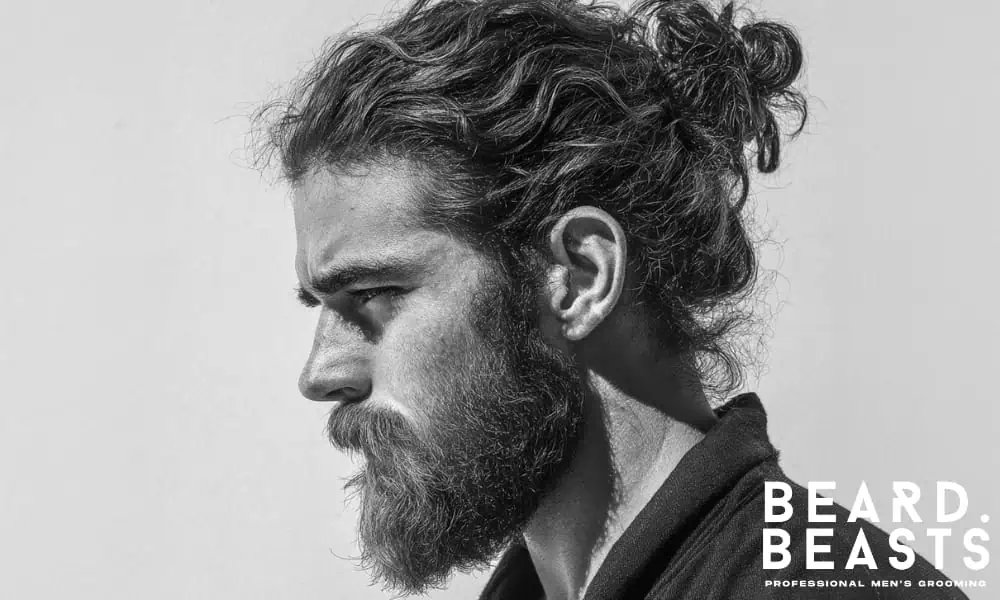
The beard is longer through the chin, fuller around the jaw, and rougher than a tidy short beard. The cheeks are left more natural. The moustache stays full. The lower beard does most of the talking.
But it still needs control.
The sides need managing. The neckline cannot be taken too high. The cheeks cannot be left completely wild just because the beard is meant to look rugged.
That is what separates a good Leonidas beard from a beard that has simply been left to grow.
It should not look overly groomed, but it should not look lazy either. There is a difference between grit and neglect.
The Problem With Copying The 300 Beard
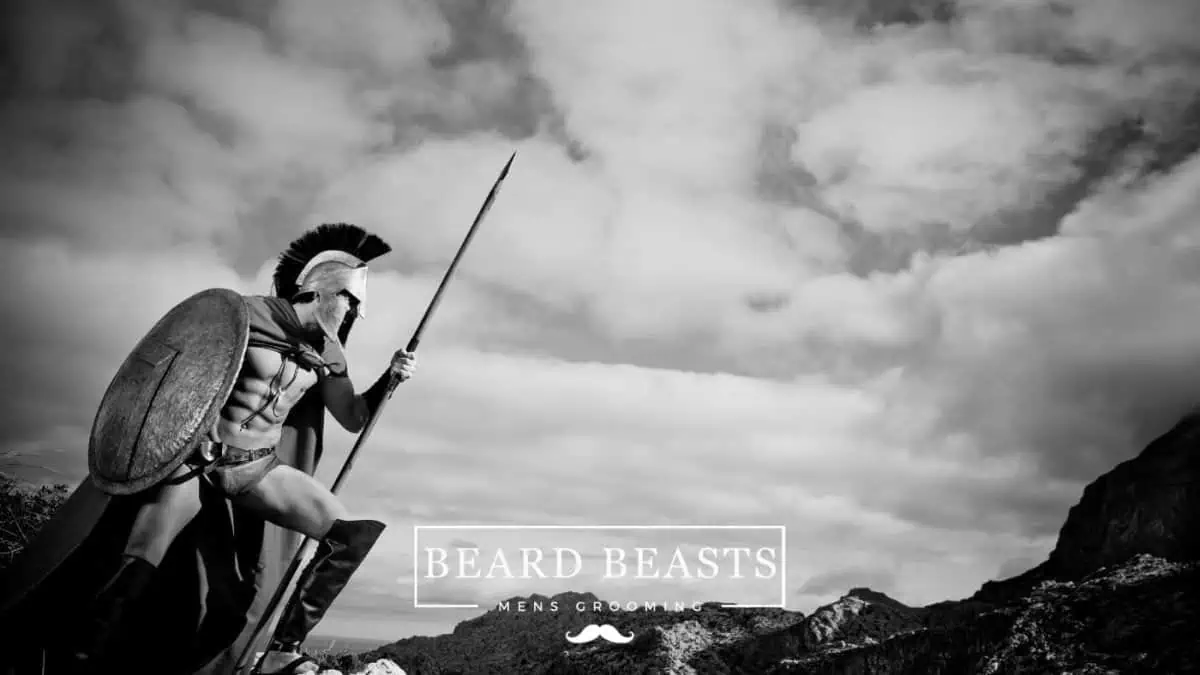
The film version works because everything around it sells the look: the face, the physique, the styling, the lighting, the character.
Real life is less forgiving.
I would be careful with this style if the beard grows well at the chin but looks too light through the cheeks and jaw. From the front, it might look decent for a while. From the side, the weakness usually shows quicker.
That is where longer beards expose men.
If the growth is not solid enough, the beard can start looking narrow, stringy, or heavy in the wrong places. More length does not always mean a better beard.
This is why I do not like pretending the Leonidas beard is just about patience.
Patience matters, but growth pattern matters more. Some men need more time. Some need better shaping. Some would look far tougher with a shorter full beard instead of chasing a look their beard cannot support.
That is not failure. That is knowing your beard.
Who This Beard Actually Suits
The first thing I would check is the lower beard.
If the chin and jaw fill in well, you have something to work with. The moustache also matters. It needs to look connected to the beard, not like a separate strip sitting above it.
Square faces usually suit the Leonidas beard because the style adds more force around the jaw.
Oval faces can work too, but I would not let the beard get too long underneath. Too much length can drag the face down.
Round faces need more care. If the sides spread too far, the beard can make the face look wider. In that case, I would keep more length through the chin and take some bulk out from the sides.
Long faces have the opposite issue. They usually need less length at the bottom and more fullness through the jaw area.
But face shape is not the first thing I would judge.
The beard decides first. The face comes after.
The Grow-Out Stage Is Where Most Men Ruin It
A shorter version might start taking shape after four to five months. A fuller Leonidas beard usually needs six to nine months, and some men will need closer to a year.
The awkward part is the middle stage.
The beard gets big enough to look untidy, but not big enough to look finished. That is when men start interfering with it too much.
A bit off the chin. A bit from the sides. Then the cheeks get sharpened. Then the bottom gets tidied again.
Before long, they have trimmed away the beard they were trying to grow.
I would keep the early work simple. Keep the neckline reasonable, tidy the worst strays, use beard oil if the skin gets dry, and comb it enough to stop knots.
But do not keep reshaping it every few days.
You need to let the lower beard build before you can judge the style properly.
Shaping The Leonidas Beard
Start with the chin.
That is where this beard gets most of its power. If the chin is kept too short, the style never really becomes a Leonidas beard. It just becomes a regular full beard with a rougher finish.
The sides are where things usually go wrong.
Full sides can look good, but only if they support the beard. If they puff out too much, the face starts looking wider and heavier. I would rather take a little bulk out near the sideburns and upper cheeks than let the beard turn round.
The neckline needs restraint.
Do not push it up under the jaw like you would on a short beard. Longer beards need hair underneath. Cut that away and the beard loses depth from the side.
The cheek line should not look too sharp.
Tidy the obvious strays, but leave it more natural than you would on a short boxed beard. A hard cheek line can make this style look too modern and too styled.
Keep the moustache full, but do not let it take over the mouth.
Let it match the beard, but trim around the lip so it does not become annoying. A weak moustache makes the beard look unfinished. An overgrown one just gets in the way.
If the beard only looks good from the front, it is not shaped properly. With a Leonidas beard, the side view tells you a lot.
Keeping It Rugged Without Letting It Go
This beard should not look like it has been styled for a wedding.
That is one of the easiest ways to ruin it.
Too much beard balm makes it stiff. Too much oil makes it look greasy. Too much brushing can make it look too smooth.
Still, longer beards need care.
Wash it when it needs washing. Use beard oil for the skin underneath, especially once the beard starts getting longer. Comb through beard knots before they turn into a problem. Trim the hairs that stick out badly, but do not keep attacking the whole beard.
I would rather see a slightly rough beard with good shape than a shiny beard that looks forced into place.
That is a harder balance than most men think. The beard needs care, but it should still look like it has some life in it.
The Mistakes That Kill The Look
The worst version of this beard is long at the bottom, wide at the sides, and weak through the middle.
That is when it stops looking powerful and starts looking badly grown out.
A high neckline is another killer. From the front, it might not look too bad. From the side, it makes the beard look thin because there is nothing supporting it under the jaw.
Sharp cheek lines can be a problem too. They make the beard look like it is trying to be two things at once: rugged at the bottom, overly groomed at the top.
Too much product does not help either. A big beard does not need to look wet, shiny, or glued into place. If the beard looks more styled than grown, it loses the whole point.
And then there is the costume problem.
This beard should be inspired by Leonidas, not trapped by the film. If it starts looking like fancy dress, you have gone too far.
The Beard Beasts Verdict
I like the Leonidas beard when the beard has enough natural fullness to handle the size.
On thick growth, it has that heavy, old-school beard feel that shorter styles cannot fake. It looks tougher because the beard has actually earned the length.
But I would not force it.
A shorter full beard with better shape will always beat a long beard that looks thin, stretched, or badly grown out. Bigger is not always stronger.
That is the honest call with this style.
The best version still looks rough, but you can tell it has been shaped by someone who knows what they are doing.
Make it too tidy and you kill the whole point. Let it go completely, and it just becomes a long beard with no direction.